Apps with Templates
131 apps
Top Templates apps ranked by the community
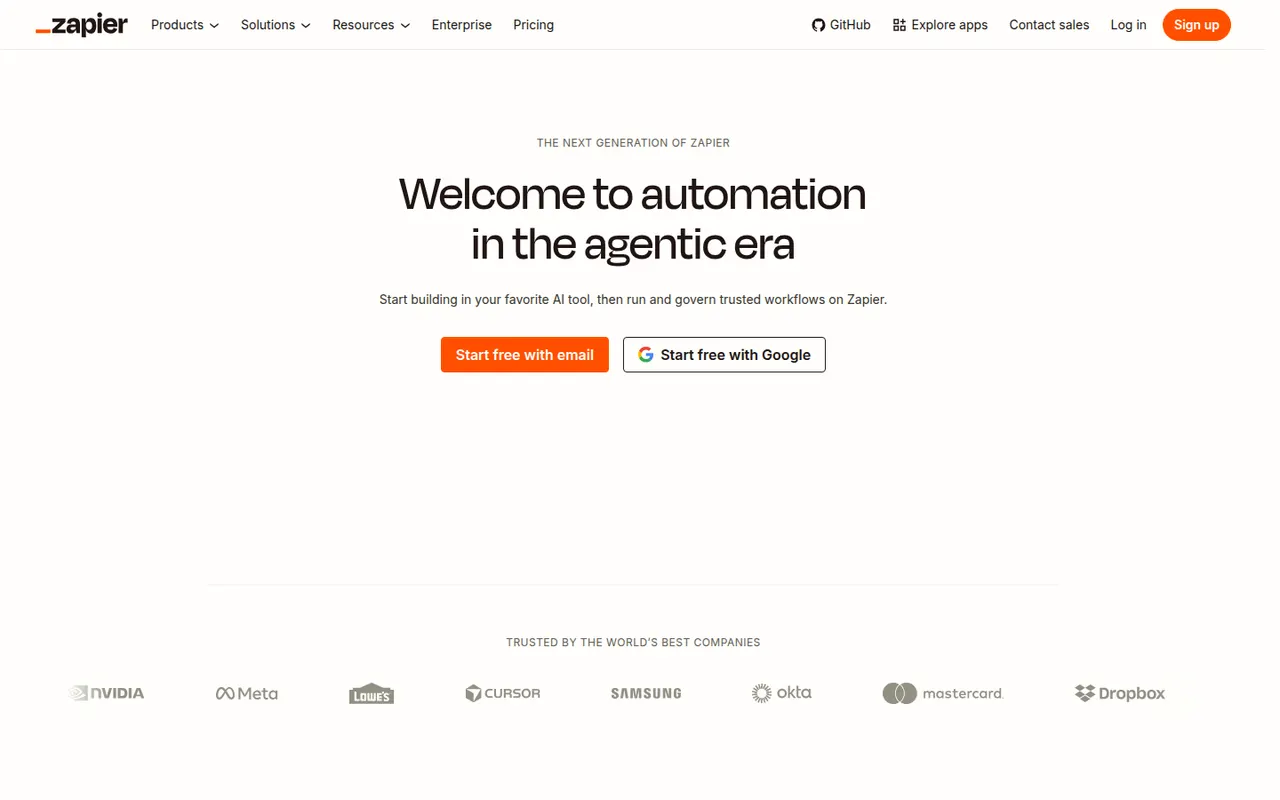
Zapier is a no-code automation platform that connects thousands of web apps so that a trigger in one, such as a new form entry, starts actions in others. Beyond multi-step Zaps with filters and branching, it includes tables, interfaces, AI steps and agents that work across connected tools. A free plan covers simple workflows, and paid plans are priced by task volume.
8 Zapier alternativesPros
- Connects thousands of apps, so most tools are already supported
- Very easy to start with for non-technical users
- Tables, interfaces and AI agents go beyond simple Zaps
Cons
- Costs rise quickly as task volume grows
- Complex logic is clumsier to build than on a visual canvas like Make
- Cloud only, with no self-hosting option
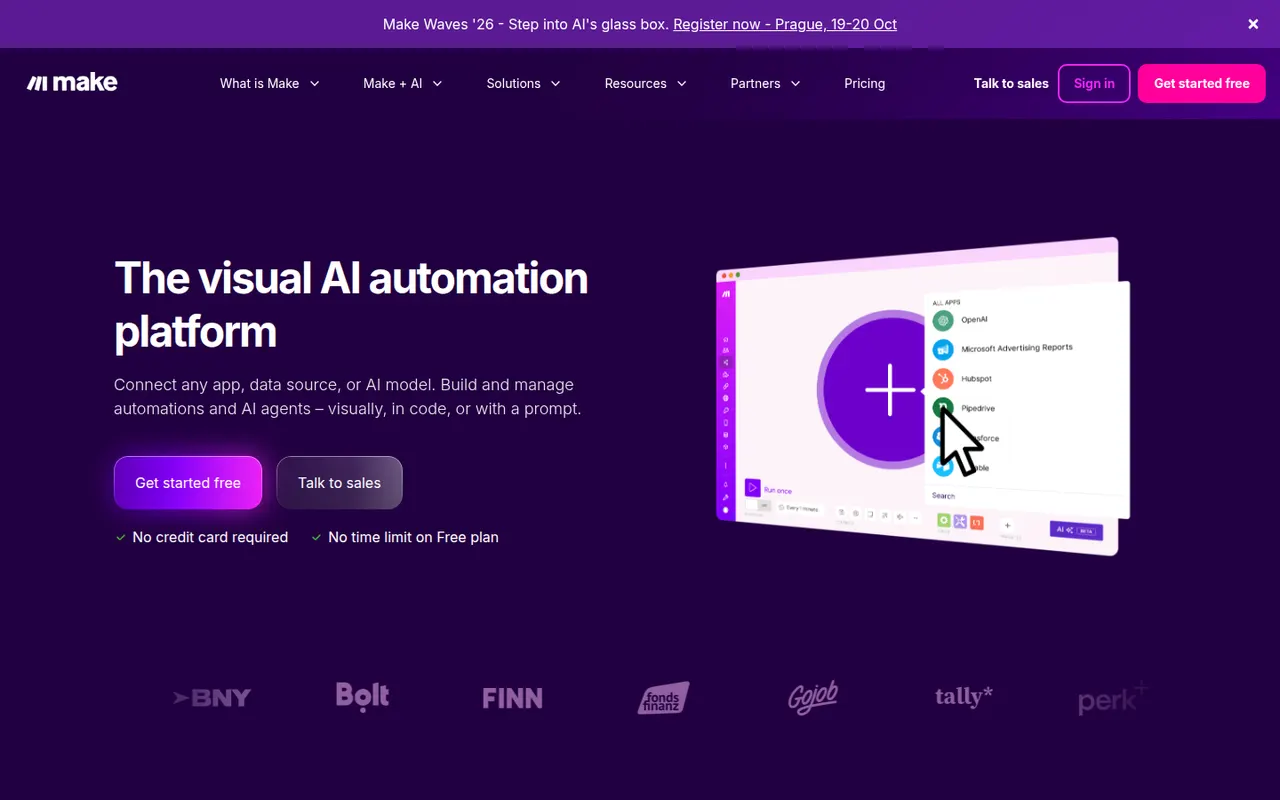
Cost / LicenseFreemiumProprietaryCategoriesPlatformsMake, formerly Integromat and now part of Celonis, is a visual automation platform where workflows are built as scenarios on a canvas of connected modules. It handles routers, iterators, error handling and data mapping for complex processes across thousands of apps, plus HTTP calls, webhooks and AI agents. A free plan includes a monthly allowance of operations, with paid plans for more volume.
8 Make alternativesPros
- Visual canvas handles routers, iterators and error handling
- Finer data mapping than simpler automation tools
- HTTP module and webhooks connect to almost any API
Cons
- Steeper learning curve than Zapier for simple automations
- Operation counts add up quickly on complex or frequent scenarios
- Cloud only, with no self-hosting option
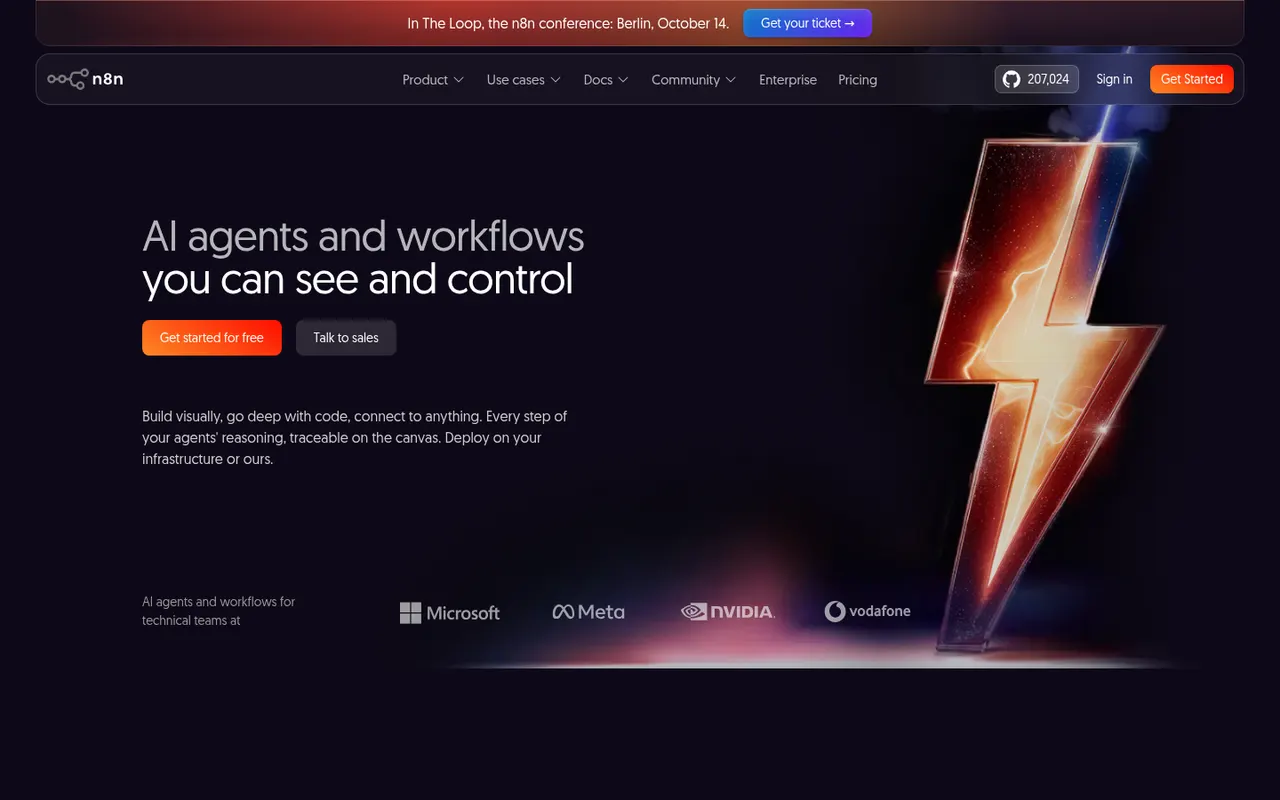
Cost / LicenseFreemiumProprietaryCategoriesPlatformsn8n is a workflow automation tool from Berlin that combines a visual node editor with the option to write JavaScript or Python, which suits technical teams. It offers hundreds of integrations, webhooks and AI agent nodes for building workflows around large language models. It can be self-hosted for free under the Sustainable Use License or used through the paid n8n Cloud.
9 n8n alternativesPros
- Free self-hosting keeps workflows and data on your own servers
- JavaScript or Python code nodes alongside the visual editor
- Capable AI agent nodes for building LLM workflows
Cons
- Sustainable Use License restricts some commercial uses, so it is not open source
- More technical than Zapier for non-developers
- Self-hosting means maintaining servers and updates yourself
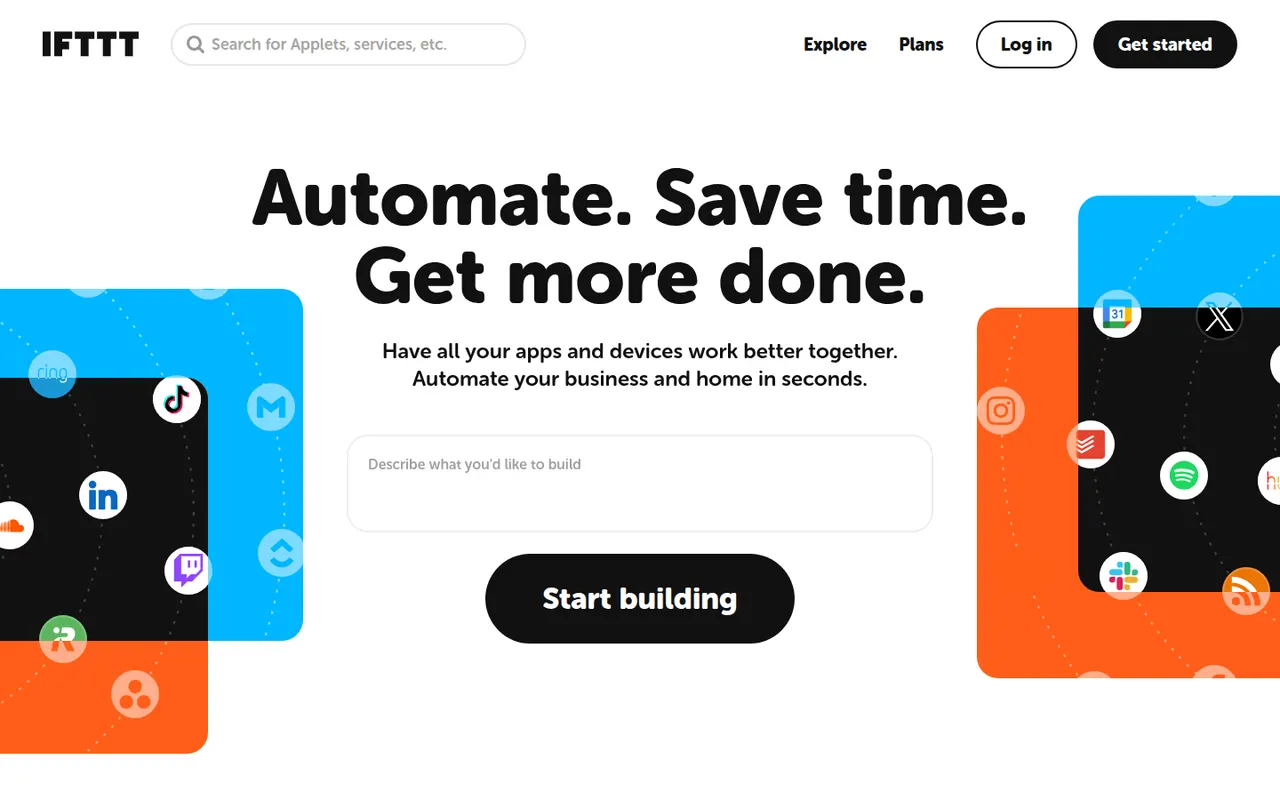
Cost / LicenseFreemiumSource availableCategoriesPlatformsIFTTT, short for If This Then That, links apps, web services and smart home devices through small automations called applets, such as saving social posts to a spreadsheet or turning on lights at sunset. It is aimed at consumers and creators more than complex business processes, with mobile apps that provide location and phone triggers. A free plan allows a few applets; paid plans add more and multi-step logic.
7 IFTTT alternativesPros
- Very simple applets that anyone can set up in minutes
- Strong smart home support and phone triggers such as location
- Large library of ready-made applets
Cons
- The free plan allows only a few applets
- Multi-step logic requires a paid plan and stays basic for business use
- Some triggers fire with a noticeable delay
Cost / LicenseFreemiumProprietaryCategoriesPower Automate is Microsoft's automation service, part of the Power Platform, for building cloud flows between Microsoft 365, Dynamics, Azure and hundreds of third-party connectors. Its desktop app adds robotic process automation for Windows applications and websites, and Copilot can draft flows from a description. Basic use is included in many Microsoft 365 plans, with premium licences for advanced connectors.
8 Power Automate alternativesPros
- Deep integration with Microsoft 365, Teams, SharePoint and Dynamics
- Desktop RPA automates Windows apps and websites without APIs
- Basic use is included in many Microsoft 365 plans
Cons
- Licensing is complex, with premium connectors behind extra licences
- The flow designer can feel clunky and errors are hard to debug
- Less convenient outside the Microsoft ecosystem
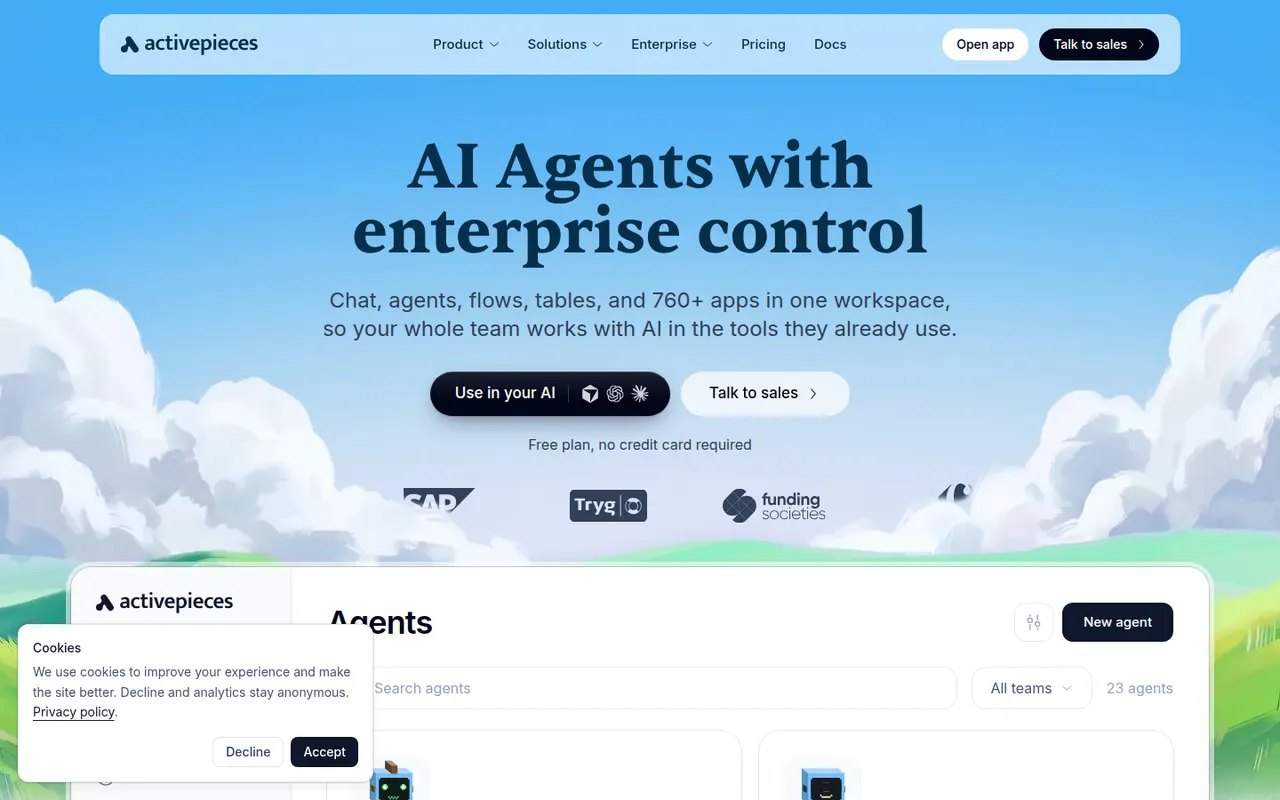
Cost / LicenseFreemiumProprietaryCategoriesActivepieces is an open source automation platform positioned as an alternative to Zapier, with a visual flow builder, hundreds of integrations called pieces and AI agent steps. Pieces are written in TypeScript and are also exposed as MCP servers for AI assistants. The community edition is MIT-licensed and can be self-hosted; a hosted cloud version and an enterprise edition are also offered.
8 Activepieces alternativesPros
- MIT-licensed community edition can be self-hosted
- Pieces double as MCP servers for AI assistants
- Clean visual builder that is approachable for non-developers
Cons
- Smaller integration catalog than Zapier or Make
- Some enterprise features are reserved for paid editions
- Self-hosting means handling updates and scaling yourself
Cost / LicenseFreemiumOpen sourceCategoriesPlatformsRelay.app is a workflow automation tool that mixes app integrations, AI steps and human-in-the-loop checkpoints, where a teammate can review, edit or approve output before the workflow continues. It targets business teams automating processes such as lead handling, content review or onboarding without code. A free plan includes a monthly allowance of runs and AI credits.
8 Relay.app alternativesPros
- Human approval steps let teammates review output before a run continues
- AI steps are built in, with credits included in the free plan
- Clean interface designed for business teams who do not code
Cons
- Smaller integration catalog than Zapier or Make
- Younger product with fewer advanced options than established platforms
Cost / LicenseFreemiumProprietaryCategoriesPlatformsGumloop is a no-code platform for building AI workflows and agents on a visual canvas, connecting language models from OpenAI, Anthropic and Google to business apps, web scraping and data enrichment nodes. An assistant can draft flows from a description, and a Chrome extension records browser actions for sites without an API. A free plan with monthly credits is available.
8 Gumloop alternativesPros
- Visual canvas connects AI models to business apps without code
- Assistant drafts flows from a plain-language description
- Chrome extension automates sites that have no API
Cons
- Credit-based usage can be hard to predict for heavy workflows
- Fewer app integrations than long-established automation platforms
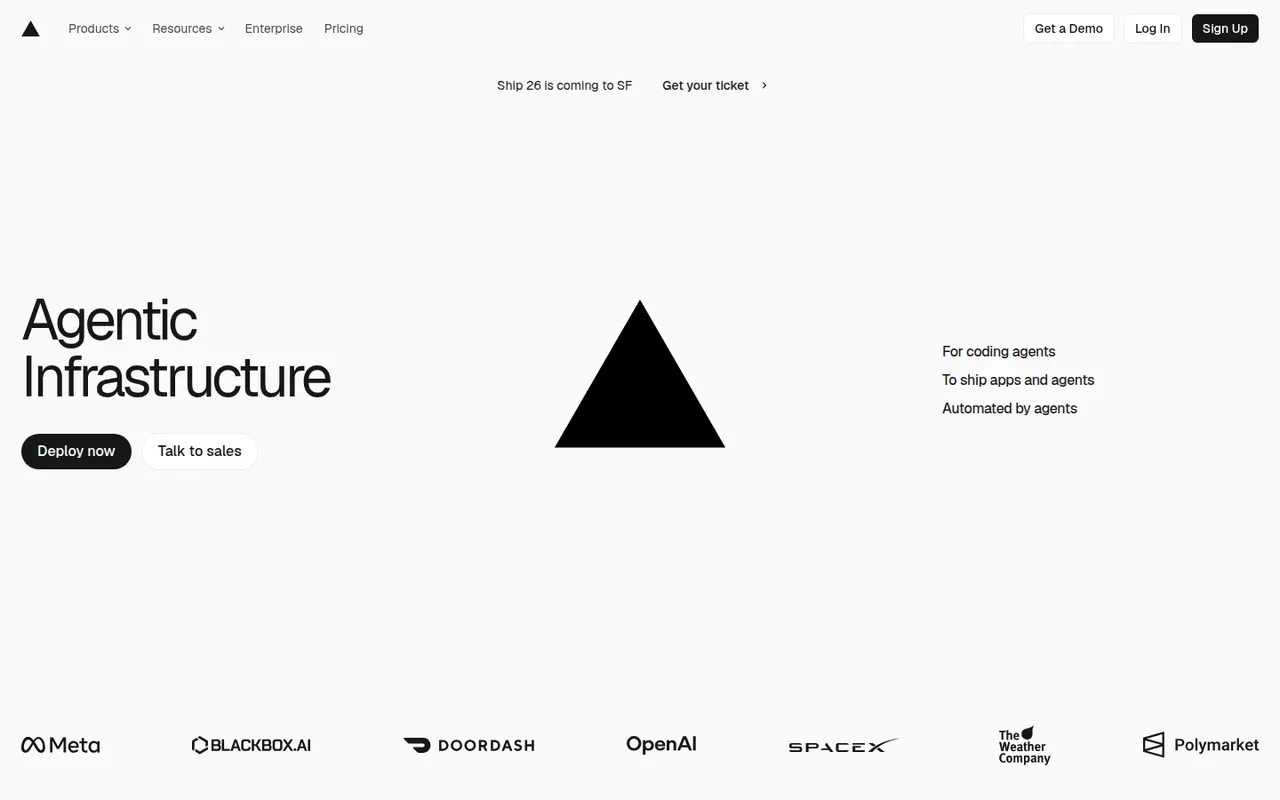
Cost / LicenseFreemiumProprietaryCategoriesPlatformsVercel is a cloud platform for deploying web apps, run by the company behind Next.js. Connecting a Git repository gives automatic builds, a preview URL for every pull request and delivery from a global edge network, with serverless and edge functions for dynamic code. It also offers analytics, storage integrations and AI tooling. A free Hobby plan suits personal projects; paid plans cover teams.
10 Vercel alternativesPros
- First-class Next.js support from the company that builds it
- Automatic builds and a preview URL for every pull request
- Global edge network with serverless and edge functions
Cons
- Usage-based costs can jump sharply when traffic spikes
- The free Hobby plan is limited to personal, non-commercial use
- Some features are tied to Next.js, which raises lock-in concerns
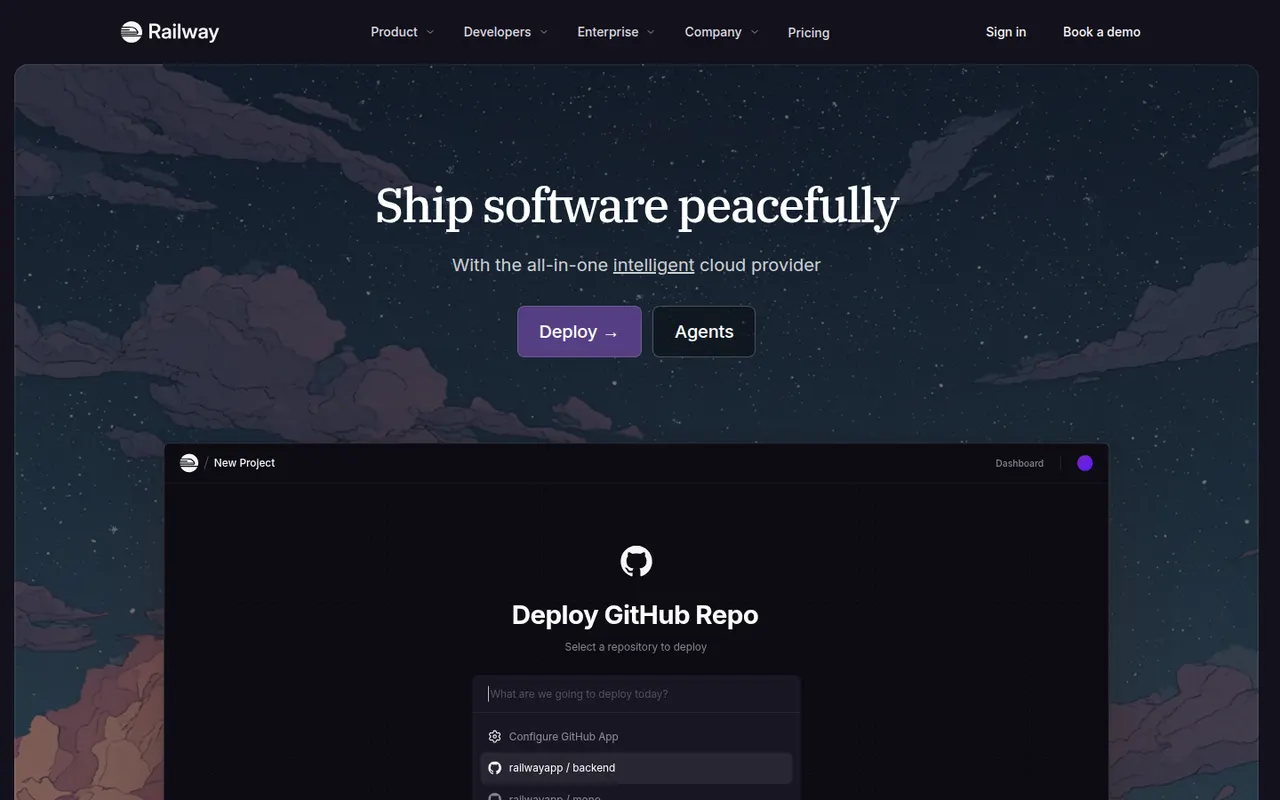
Cost / LicenseFreemiumProprietaryCategoriesPlatformsRailway is a deployment platform where apps, databases and workers sit on a visual canvas and talk over private networking. Services deploy from a GitHub repository, a Dockerfile or a template, and Postgres, MySQL, Redis or MongoDB can be added in a few clicks. Billing follows actual resource usage, and pull requests can spin up temporary environments. A trial with credits leads to a small free plan or paid tiers.
9 Railway alternativesPros
- Visual canvas makes multi-service architectures easy to follow
- Add Postgres, MySQL, Redis or MongoDB in a few clicks
- Temporary environments spin up for pull requests
Cons
- Usage-based billing makes monthly costs harder to predict
- Free plan is small once the trial credits run out
- Fewer regions and less control than the large cloud providers
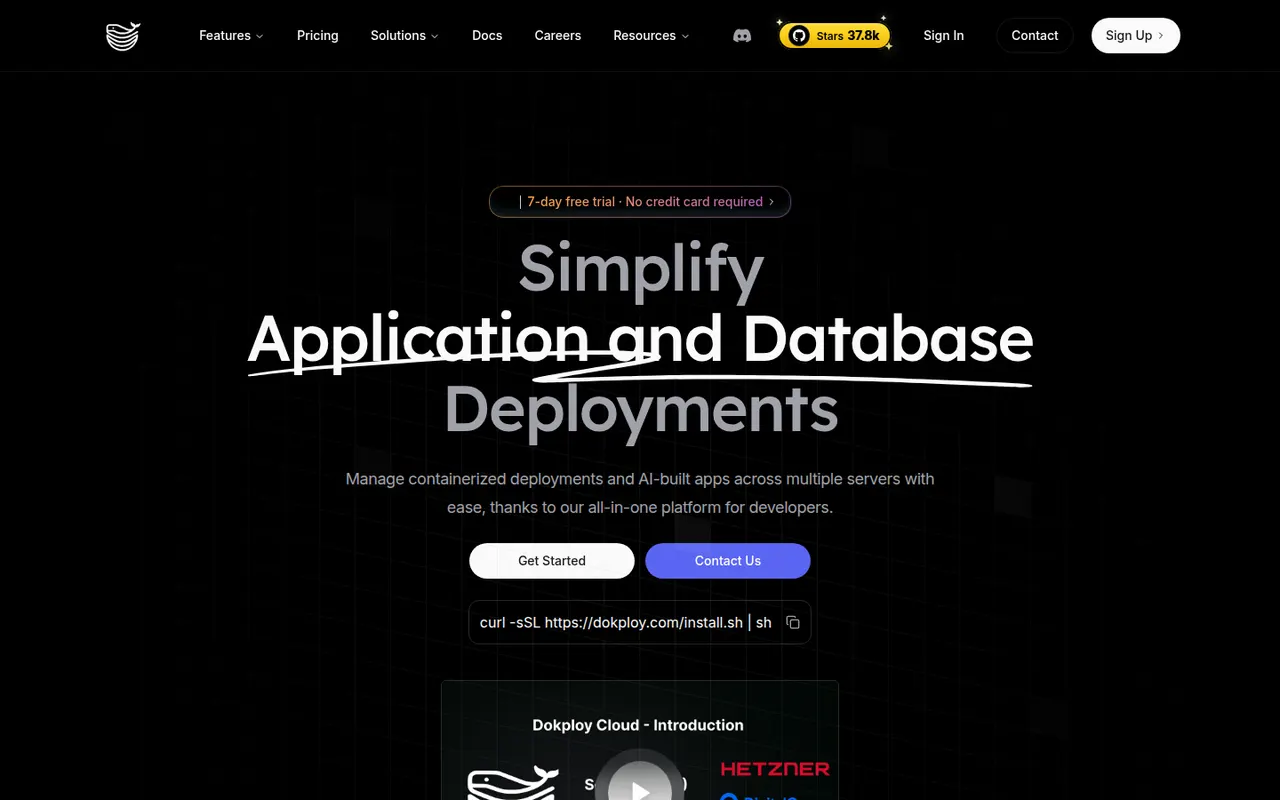
Cost / LicenseFreemiumProprietaryCategoriesPlatformsDokploy is an open source platform as a service for deploying applications and databases on your own servers. It builds from Git, Dockerfiles, buildpacks or Docker Compose, manages domains and certificates through Traefik, schedules database backups and can spread workloads across nodes with Docker Swarm. Templates cover popular self-hosted tools. The core is Apache-2.0 licensed, and a managed Dokploy Cloud exists.
8 Dokploy alternativesPros
- Apache-2.0 open source core you can run on your own servers
- Builds from Git, Dockerfiles, buildpacks or Docker Compose
- Scheduled database backups and multi-node setups with Docker Swarm
Cons
- Self-hosting leaves maintenance and security to you
- Younger project with a smaller community than more established tools
Cost / LicenseFreemiumOpen sourceCategoriesPlatforms