Apps with Two-factor authentication
11 apps
Top Two-factor authentication apps ranked by the community
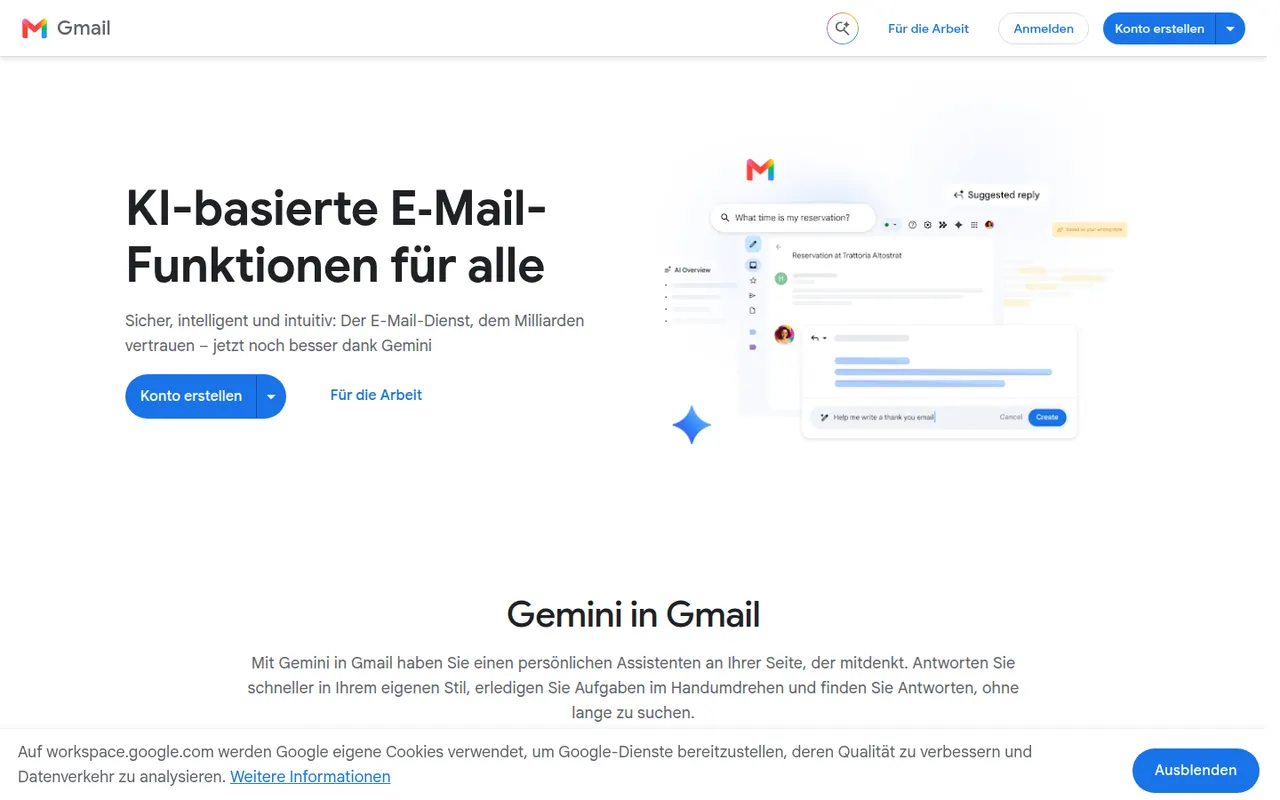
Gmail is Google's email service, used through the web and mobile apps or any IMAP client. It offers automatic spam filtering, labels and inbox categories, fast search, scheduled sending and close links with Calendar, Drive and Meet. Personal accounts are free and share storage with Drive and Photos, while Google Workspace adds custom domains and admin tools; Gemini can draft and summarize emails.
12 Gmail alternativesPros
- Excellent spam filtering and fast search
- Tight links with Google Calendar, Drive and Meet
- Free personal accounts on web, mobile and any IMAP client
Cons
- Free storage is shared with Drive and Photos and fills up quickly
- Google’s data practices raise privacy concerns
- Custom domains require a paid Google Workspace plan
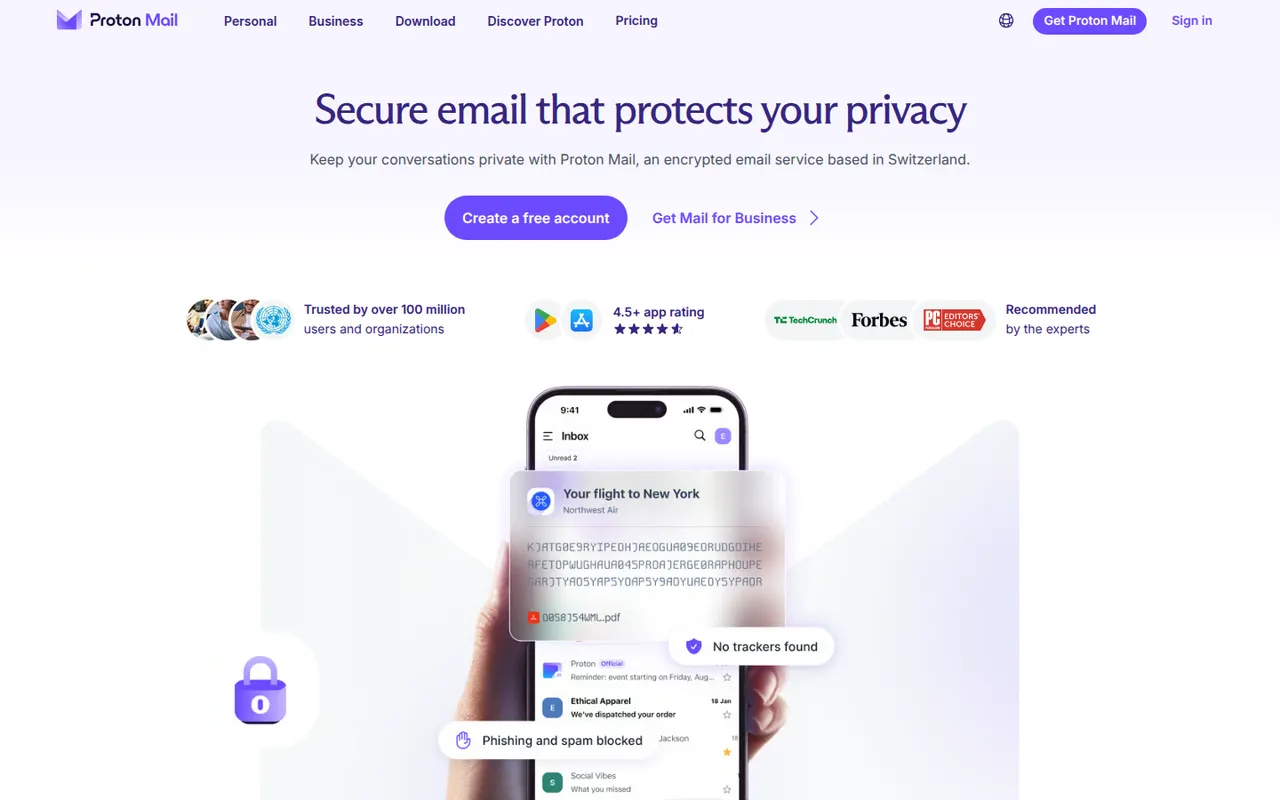
Cost / LicenseFreemiumProprietaryCategoriesProton Mail is an end-to-end encrypted email service based in Switzerland. Messages between Proton users are encrypted automatically, emails to others can be password-protected, and stored mail uses zero-access encryption so Proton cannot read it. Its apps are open source, paid plans add custom domains and more addresses, and it is part of a suite with Proton Calendar, Drive, VPN and Pass.
9 Proton Mail alternativesPros
- End-to-end and zero-access encryption protect stored mail
- Based in Switzerland, with open source apps
- Part of a suite with Proton Calendar, Drive, VPN and Pass
Cons
- Free plan is tight on storage and addresses
- Using IMAP clients requires Proton Mail Bridge and a paid plan
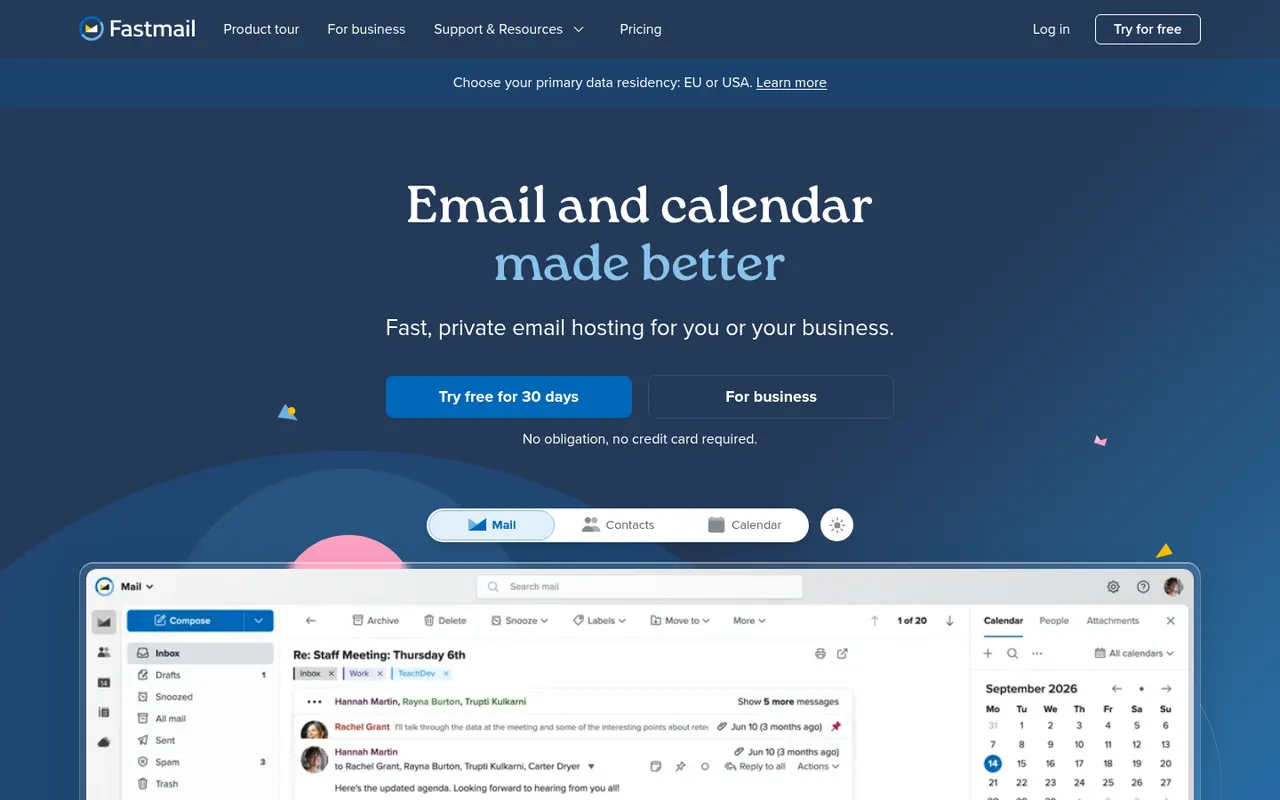
Cost / LicenseFreemiumOpen sourceCategoriesFastmail is an independent email provider from Australia that bundles email, calendar and contacts with no ads. It supports custom domains, aliases and Masked Email addresses generated through its 1Password integration, and works with any client via IMAP, CalDAV and CardDAV. Fastmail also led the creation of JMAP, an open standard for faster email sync. It is paid, with a free trial.
9 Fastmail alternativesPros
- Ad-free service funded by subscriptions rather than advertising
- Masked Email addresses through the 1Password integration
- Standard IMAP, CalDAV and CardDAV work with any client
Cons
- No free plan beyond the trial
- No end-to-end encryption like Proton Mail or Tuta
- Fewer collaboration tools than Google Workspace or Microsoft 365
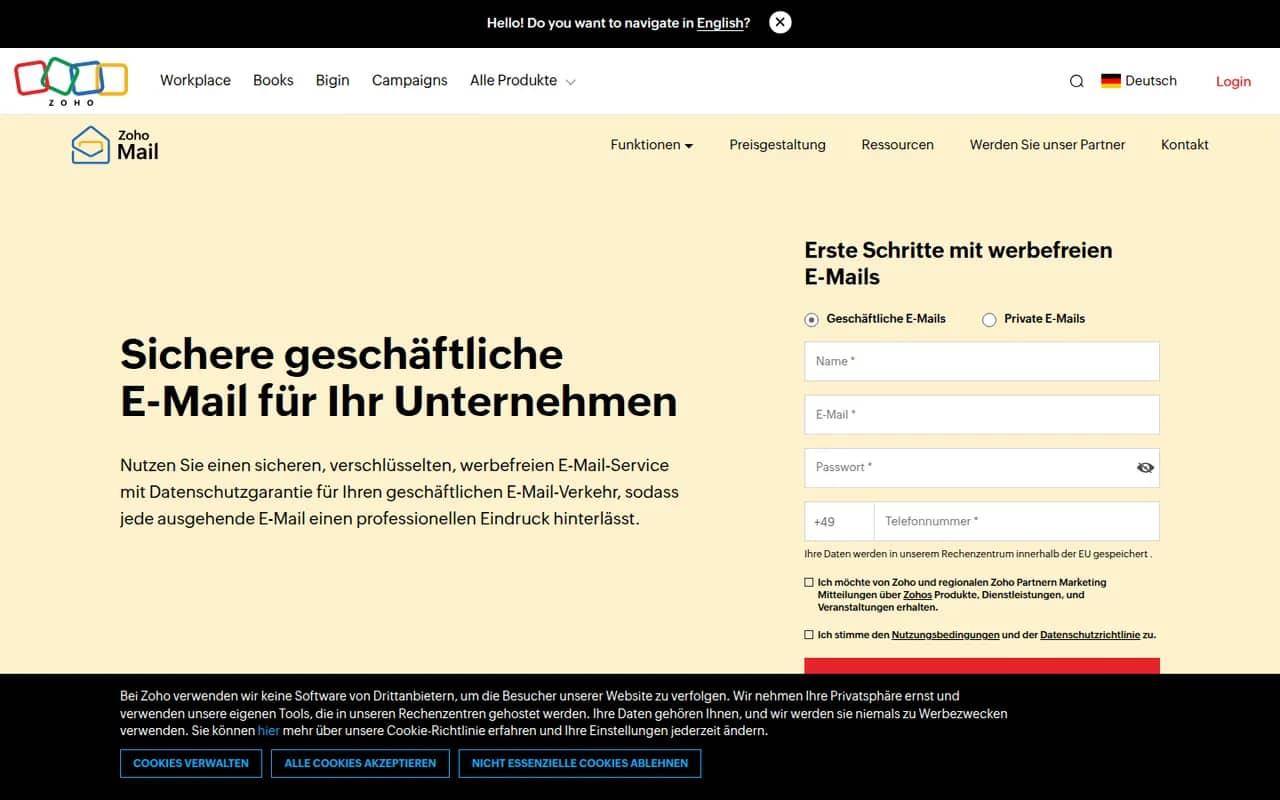
Cost / LicenseFree trialProprietaryCategoriesZoho Mail is an ad-free business email service from Zoho that hosts mailboxes on your own domain, with calendar, contacts, tasks and notes included. Admins get a control panel for users, security policies and retention, and the service integrates with Zoho's office, CRM and collaboration apps through Zoho Workplace. A free plan is available for small teams, with paid plans adding more storage and features.
8 Zoho Mail alternativesPros
- Ad-free business email on your own domain, with a free plan
- Admin console for users, security policies and retention
- Integrates with Zoho’s office, CRM and collaboration apps
Cons
- Free plan lacks IMAP and POP access for desktop clients
- Interface feels less polished than Gmail or Outlook
Cost / LicenseFreemiumProprietaryCategories1Password stores passwords, passkeys, credit cards, secure notes and documents in encrypted vaults that sync across devices and fill into browsers and apps. Watchtower flags weak, reused or breached passwords, and shared vaults make it practical for families and teams. It is a paid service with a free trial, and it also offers developer tools such as an SSH agent and a command-line interface.
10 1Password alternativesPros
- Polished apps on every platform with reliable autofill
- Watchtower flags weak, reused or breached passwords
- Shared vaults, plus developer tools like an SSH agent and a CLI
Cons
- No free plan, only a trial before paying
- Cloud-only vaults, with no self-hosting option
Cost / LicenseFree trialProprietaryCategoriesBitwarden is an open source password manager that keeps logins, passkeys, cards and notes in an end-to-end encrypted vault available on every major platform. The free plan covers unlimited passwords on unlimited devices, while paid plans add encrypted attachments, vault health reports, an integrated authenticator and sharing for families or teams. The server can also be self-hosted.
10 Bitwarden alternativesPros
- Free plan with unlimited passwords on unlimited devices
- Open source code with published third-party audits
- The server can be self-hosted
Cons
- Interface is more functional than polished
- Attachments, vault health reports and the authenticator need a paid plan
Cost / LicenseFreemiumOpen sourceCategoriesKeePassXC is a community-developed, open source password manager for Windows, macOS and Linux that stores everything in a local, KeePass-compatible encrypted database. It adds browser integration through its own extension, a built-in TOTP generator, passkey support and SSH agent integration, all without an account or cloud. Syncing is up to you, for example with Syncthing or a cloud folder.
8 KeePassXC alternativesPros
- Native apps for Windows, macOS and Linux
- Browser extension, TOTP codes, passkeys and SSH agent built in
- Local encrypted database with no account or cloud
Cons
- No official mobile apps, so you need third-party KeePass clients
- Syncing between devices is left to you
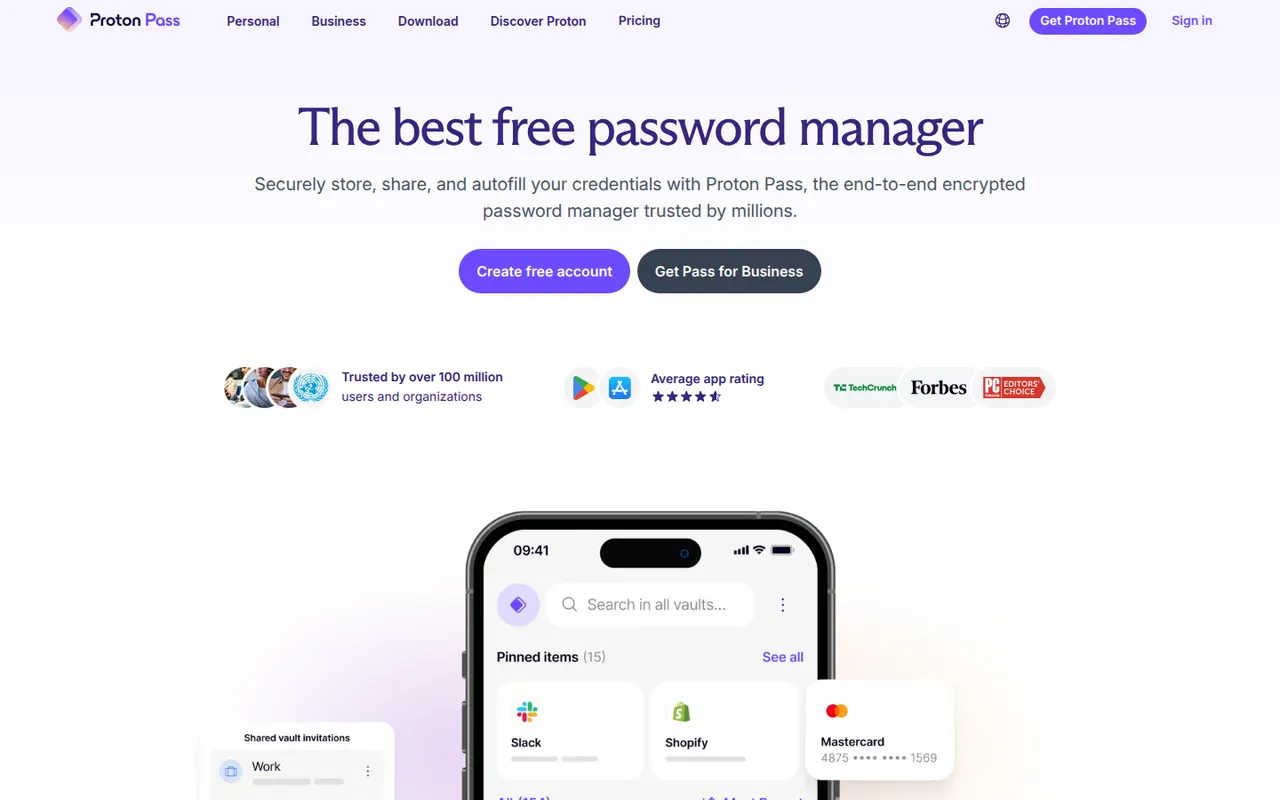
Cost / LicenseFreeOpen sourceCategoriesPlatformsProton Pass is the password manager of Proton, the Swiss company behind Proton Mail and Proton VPN. Everything in the vault is end-to-end encrypted and the apps are open source. It supports passkeys, has a built-in 2FA code generator and creates hide-my-email aliases that protect your real address, with a free plan that allows unlimited logins and devices.
10 Proton Pass alternativesPros
- Free plan with unlimited logins and devices
- Hide-my-email aliases protect your real address
- Open source, end-to-end encrypted apps with a built-in 2FA generator
Cons
- Younger product with fewer advanced features than long-standing rivals
- The free plan limits the number of email aliases
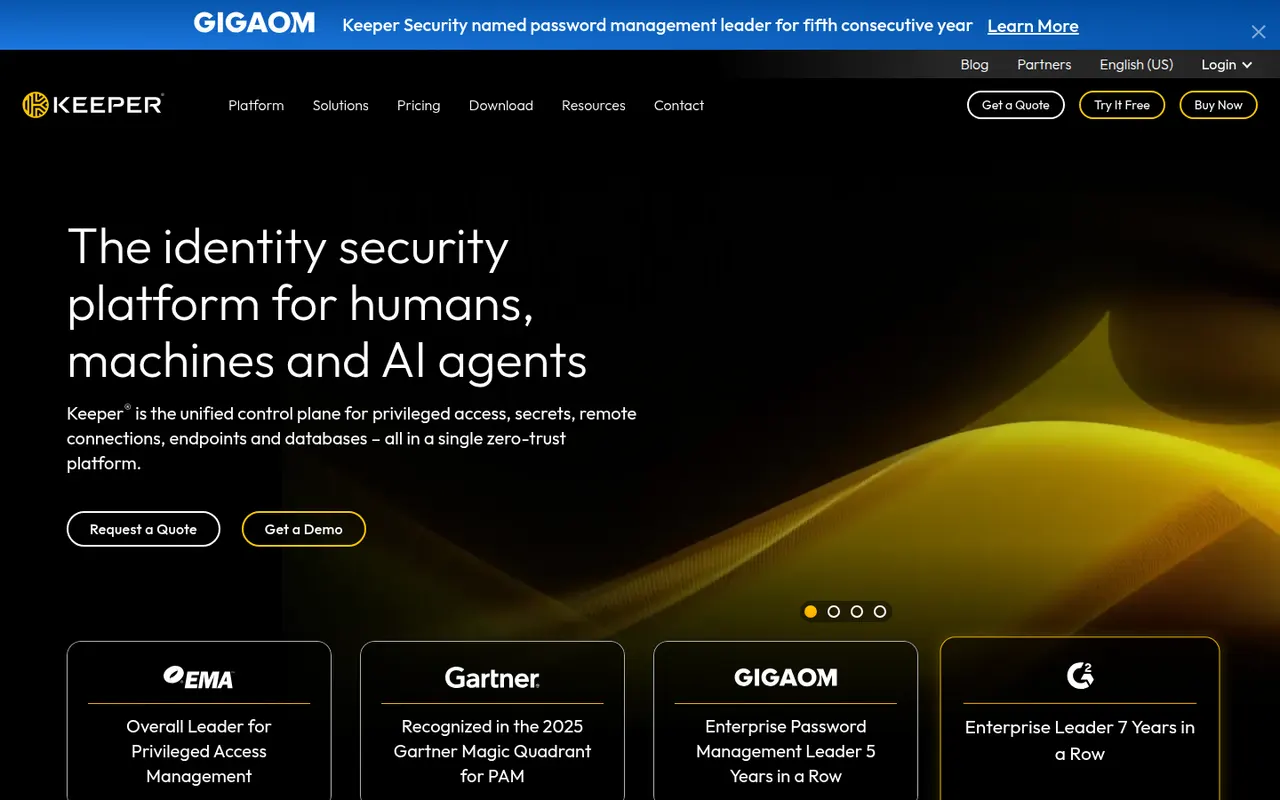
Cost / LicenseFreemiumOpen sourceCategoriesKeeper is a password manager with a strong focus on businesses and public-sector organizations, offering zero-knowledge encrypted vaults, role-based policies and single sign-on integration. Its apps cover desktop, mobile and browser extensions, with passkey storage, built-in 2FA codes and secure file storage. The optional BreachWatch add-on monitors the dark web for leaked credentials.
7 Keeper alternativesPros
- Zero-knowledge vaults with role-based policies for businesses
- SSO integration and admin controls for large organizations
- Secure file storage plus built-in 2FA codes
Cons
- BreachWatch dark web monitoring is a paid add-on
- The free plan is very limited compared with paid tiers
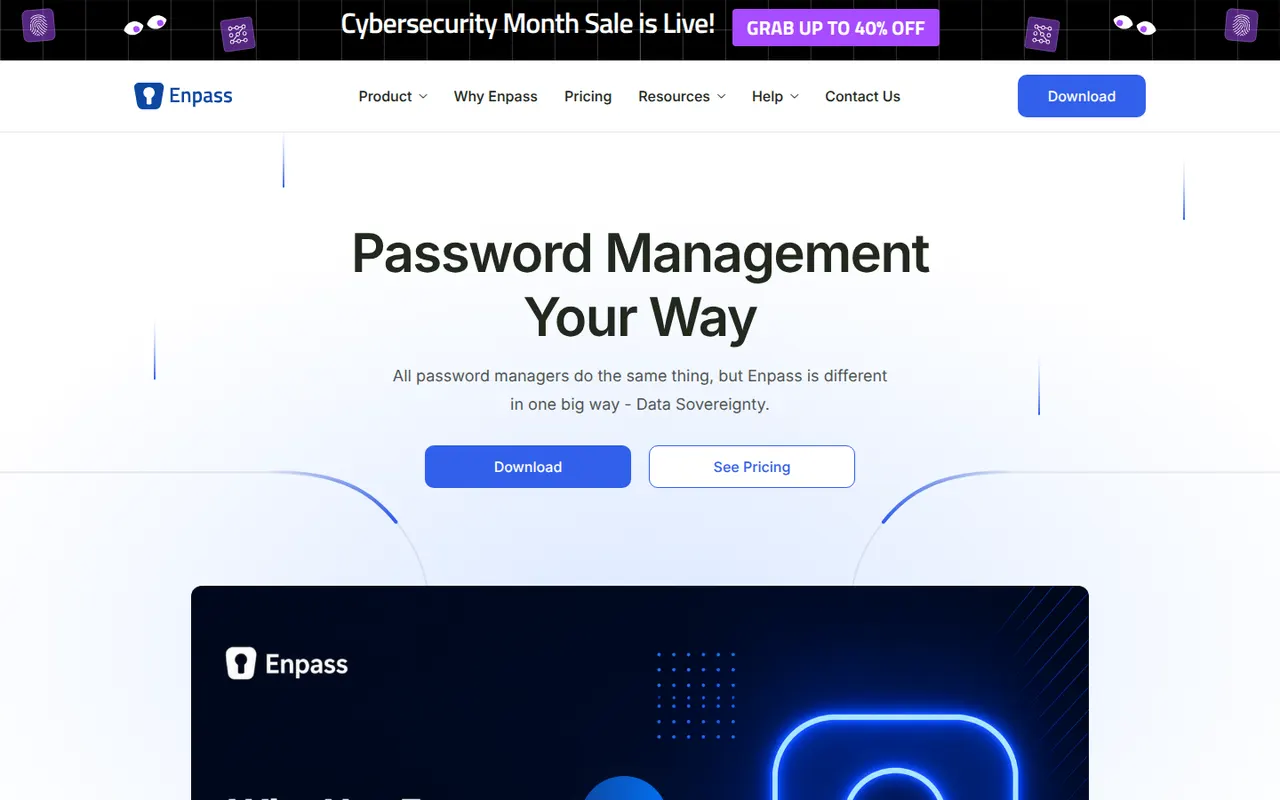
Cost / LicenseFreemiumProprietaryCategoriesEnpass is a password manager that keeps your vault on your devices rather than on its own servers, and syncs it through a cloud account you choose, such as iCloud, Google Drive, Dropbox, OneDrive or a WebDAV server. It supports autofill, passkeys, built-in TOTP codes and breach alerts. The desktop apps are free for personal use, with paid plans for full mobile use and a lifetime option.
10 Enpass alternativesPros
- Your vault stays on your devices, not on Enpass servers
- Syncs through your own iCloud, Google Drive, Dropbox or WebDAV
- Lifetime license available instead of a subscription
Cons
- Full mobile use requires a paid plan
- Setting up sync with your own cloud takes extra steps
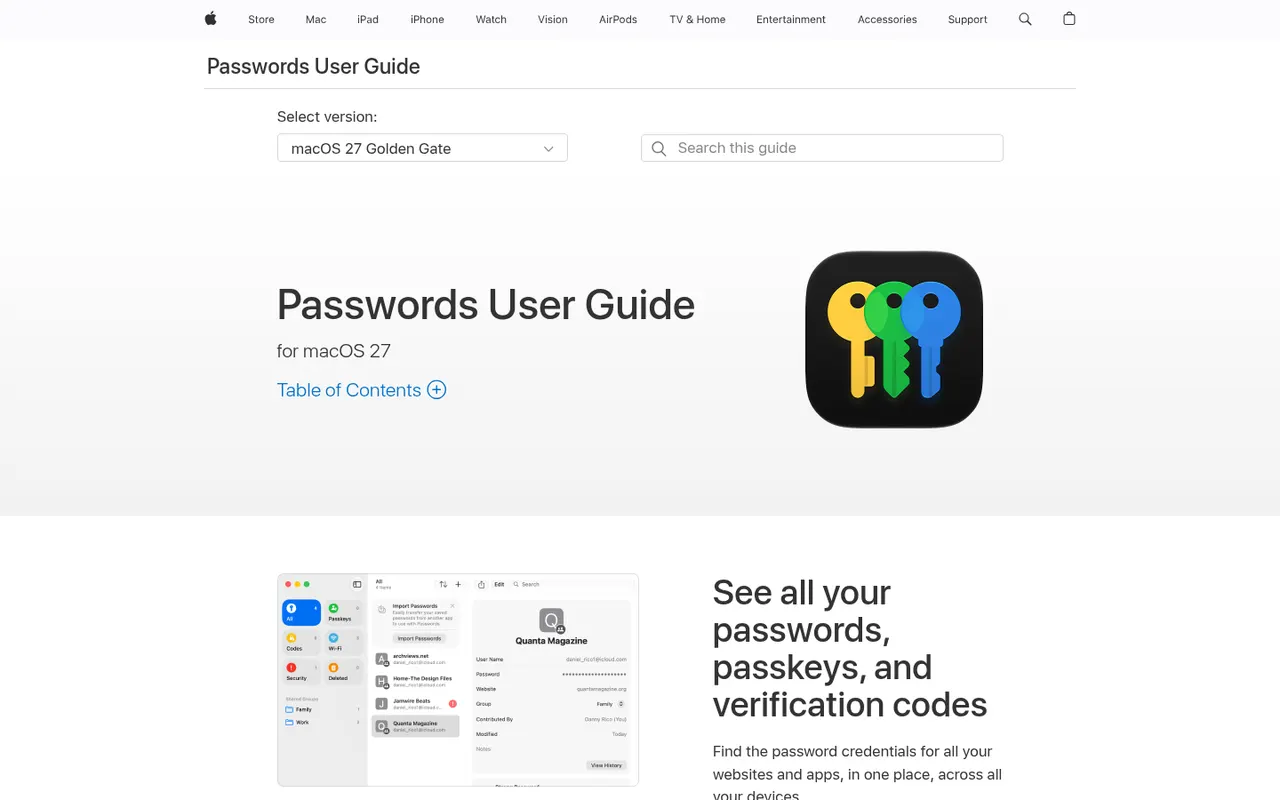
Cost / LicenseFreemiumProprietaryCategoriesPasswords is Apple's free password manager, built on iCloud Keychain and available as a standalone app since iOS 18 and macOS Sequoia. It stores passwords, passkeys, Wi-Fi passwords and verification codes, syncs them with end-to-end encryption across Apple devices and fills them in Safari and apps. Shared groups let families share logins, and Windows users get access through iCloud for Windows.
9 Apple Passwords alternativesPros
- Free and built into iPhone, iPad and Mac
- End-to-end encrypted sync of passkeys and verification codes
- Shared groups make family logins easy to share
Cons
- No Android app and limited support outside Apple devices
- Fewer advanced features than dedicated password managers
Cost / LicenseFreeProprietaryCategoriesPlatforms