Best Email Marketing & Newsletters software
Send newsletters, automate email campaigns and grow a list.
14 apps
Top Email Marketing & Newsletters apps ranked by the community
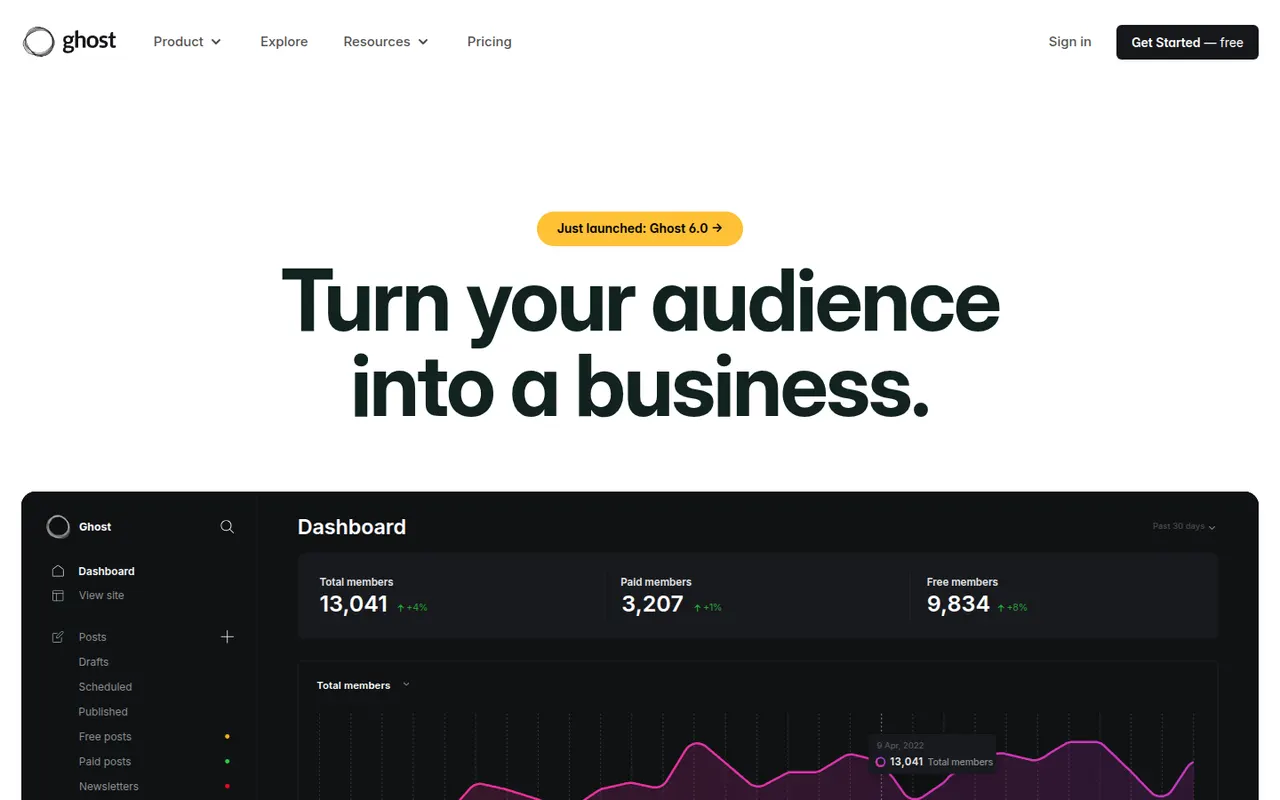
Ghost is an open source platform for independent publishers that combines a website, a newsletter and paid memberships in one product. Writers publish in a clean editor, send posts by email and charge for subscriptions through Stripe, with no revenue share taken by Ghost. It can be self-hosted for free or run on the managed Ghost(Pro) service, and is maintained by a non-profit foundation.
9 Ghost alternativesPros
- Website, newsletter and paid memberships in one product
- No revenue share taken on subscriptions
- Open source and free to self-host
Cons
- Fewer themes and integrations than WordPress
- Self-hosting needs technical skills and an email delivery service
- Ghost(Pro) gets expensive as your member list grows
Cost / LicenseFreemiumOpen sourcePlatformsMailchimp, owned by Intuit, is an email marketing platform for designing campaigns, building automated customer journeys and organizing an audience with tags and segments. It also offers landing pages, signup forms, SMS in some countries and AI tools for content and send times. Its many integrations, including e-commerce platforms, make it easy to connect to an existing stack.
10 Mailchimp alternativesPros
- Familiar, well-documented platform with many templates
- Large integration library, including e-commerce platforms
- Free plan for getting started with a small list
Cons
- Prices rise steeply as your audience grows
- Unsubscribed contacts can still count toward billing
- Free plan is restrictive, and key features require paid tiers
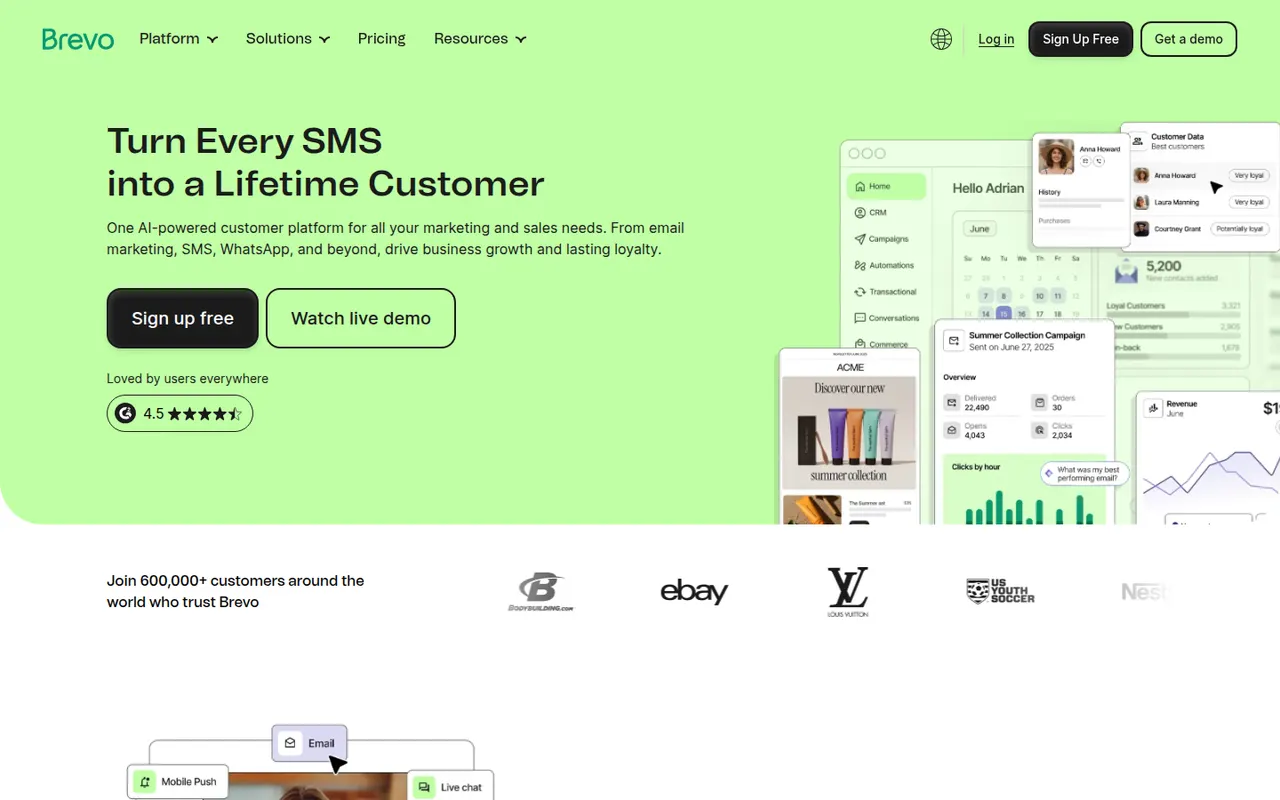
Cost / LicenseFreemiumProprietaryCategoriesBrevo, formerly Sendinblue, is a French marketing platform covering email campaigns, transactional email, SMS, WhatsApp messages and marketing automation, plus a sales CRM and live chat. Its plans are based mainly on the volume of emails sent rather than the number of contacts, which suits large lists that are mailed occasionally. Data is hosted in the EU, a plus for GDPR-conscious teams.
9 Brevo alternativesPros
- Pricing based on emails sent rather than contacts stored
- Email, SMS, WhatsApp and transactional email in one platform
- EU data hosting suits GDPR-conscious teams
Cons
- Free plan has a daily sending limit and Brevo branding
- Automation builder is less advanced than specialist tools
Cost / LicenseFreemiumProprietaryCategoriesKit, previously called ConvertKit, is an email marketing platform designed for creators such as writers, podcasters and course authors. It combines landing pages and forms, visual automations, subscriber tagging and paid newsletters, and lets you sell digital products directly to your list. A recommendations network helps creators grow by promoting each other's newsletters.
12 Kit alternativesPros
- Tag-based subscriber management suited to creators
- Sell digital products and paid newsletters to your list
- Recommendations network helps newsletters grow
Cons
- Email design options are deliberately simple
- Gets expensive as the subscriber count grows
- Advanced automations are reserved for paid plans
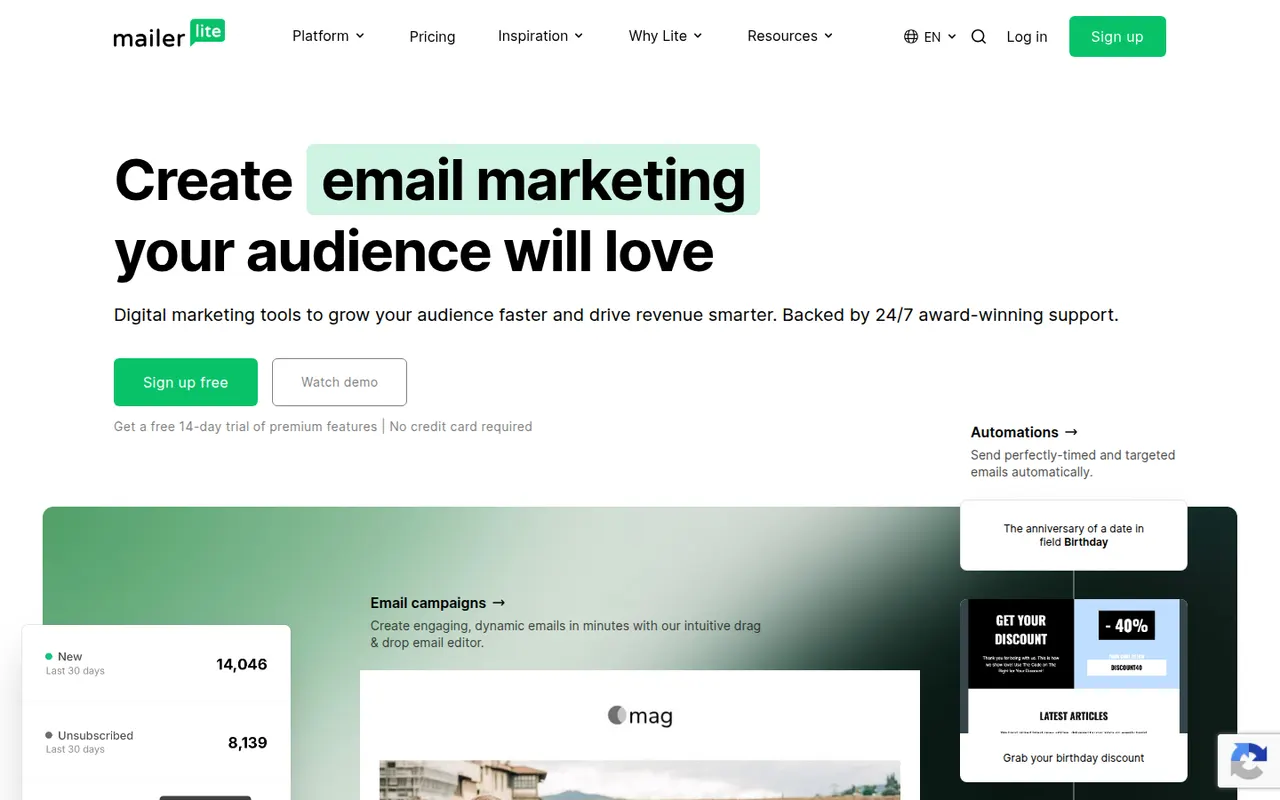
Cost / LicenseFreemiumProprietaryCategoriesMailerLite is an email marketing tool with an uncluttered drag-and-drop editor and an approachable automation builder. Besides campaigns, it can create landing pages, signup forms and simple websites, sell digital products and paid newsletter subscriptions, and run A/B tests. Small businesses and creators often choose it as a lighter alternative to larger marketing suites.
11 MailerLite alternativesPros
- Clean drag-and-drop editor that is easy to learn
- Landing pages, websites and paid newsletters included
- Approachable automation builder for small businesses
Cons
- Account approval process can delay your first campaigns
- Fewer advanced automation and reporting options than larger suites
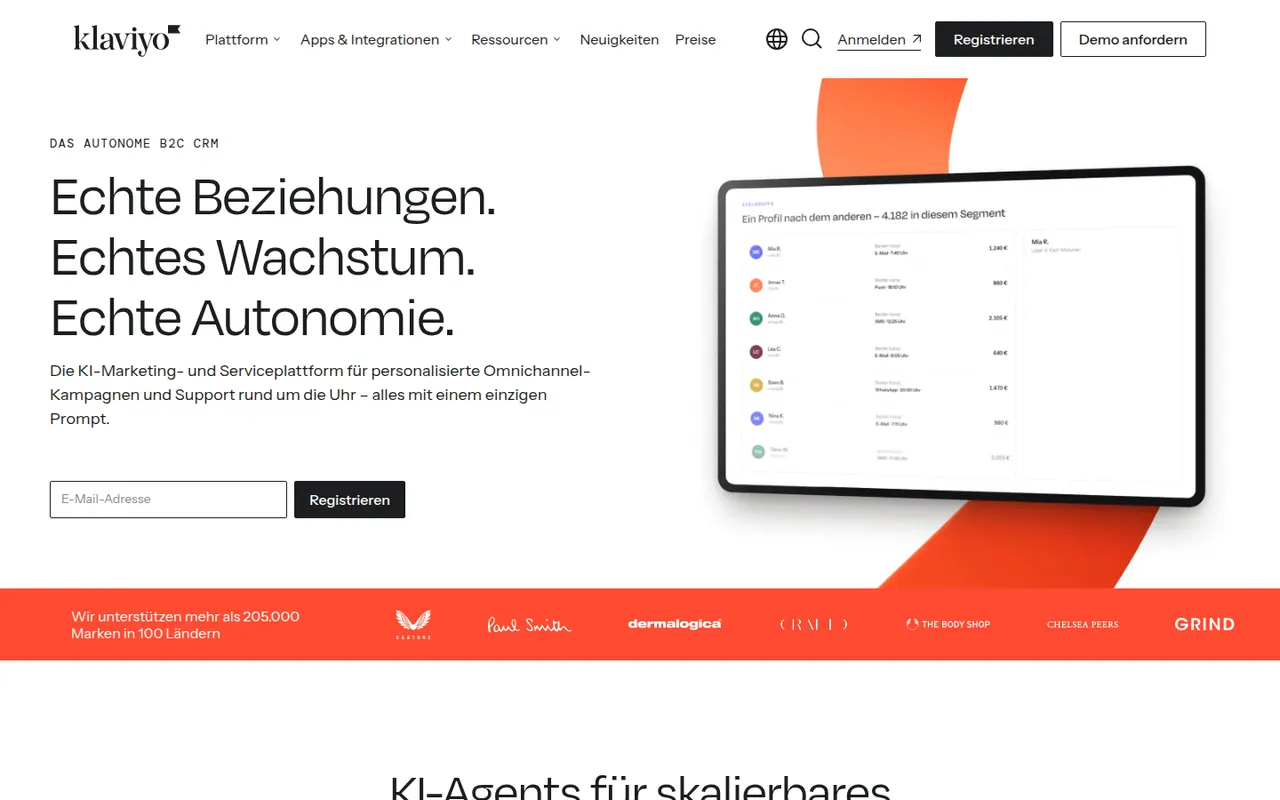
Cost / LicenseFreemiumProprietaryCategoriesPlatformsKlaviyo is a marketing automation platform for online stores that connects to Shopify, WooCommerce and other platforms to use order and browsing data in email and SMS campaigns. Merchants build flows such as abandoned cart or post-purchase sequences, segment customers by behavior and predicted value, and measure revenue per message. AI features help generate content and segments.
7 Klaviyo alternativesPros
- Uses order and browsing data from Shopify and other platforms
- Prebuilt flows for abandoned carts and post-purchase emails
- Revenue attribution per message and predictive segments
Cons
- Becomes expensive as the number of active profiles grows
- Overkill for businesses that don’t sell online
- Advanced segmentation and reporting take time to master
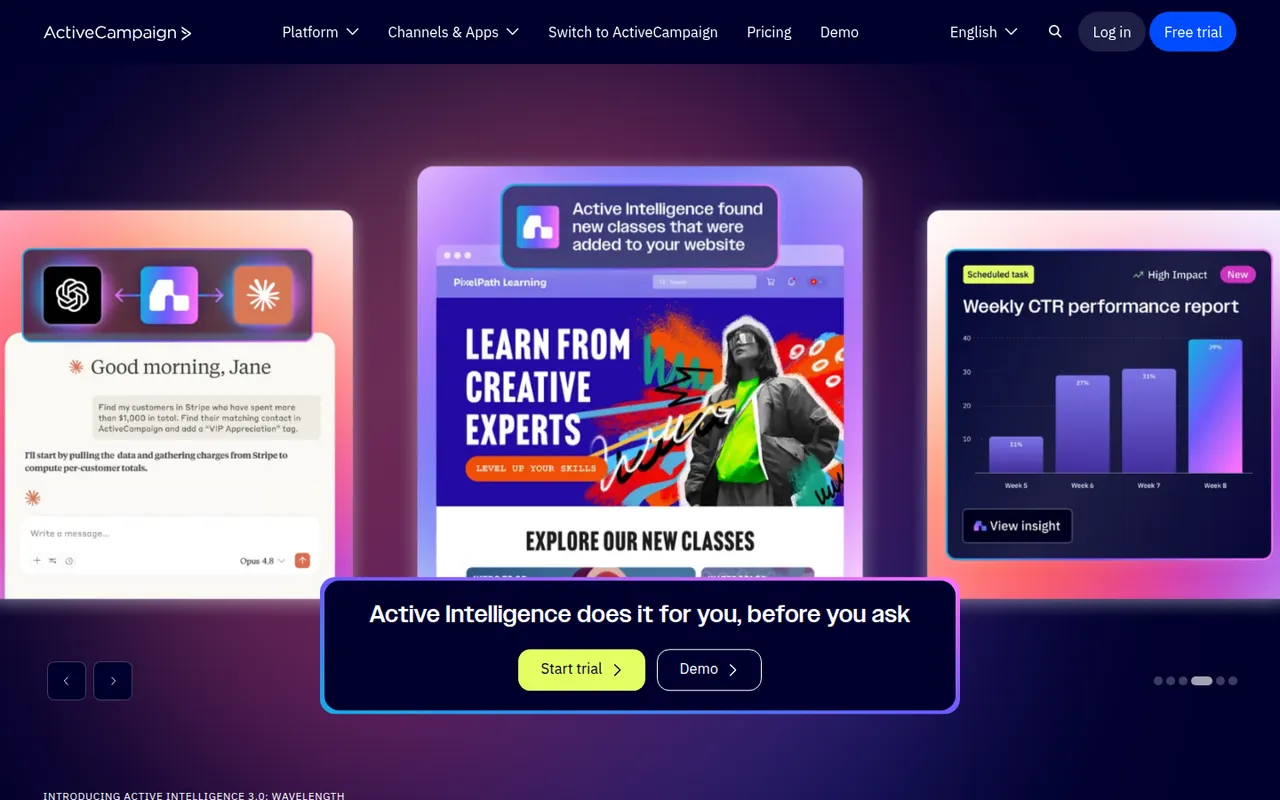
Cost / LicenseFreemiumProprietaryCategoriesActiveCampaign is a customer experience automation platform that combines email marketing, a visual automation builder, lead scoring and a sales CRM with deal pipelines. Automations can branch on behavior, site visits and custom data across email, SMS and connected apps. It is aimed at small and mid-sized businesses that need more advanced automation than basic newsletter tools provide.
8 ActiveCampaign alternativesPros
- Powerful visual automation builder with behavior-based branching
- Built-in CRM with deal pipelines and lead scoring
- Many integrations with e-commerce and business apps
Cons
- Complex automations come with a real learning curve
- Costs rise quickly as the contact list grows
- No free plan beyond the trial
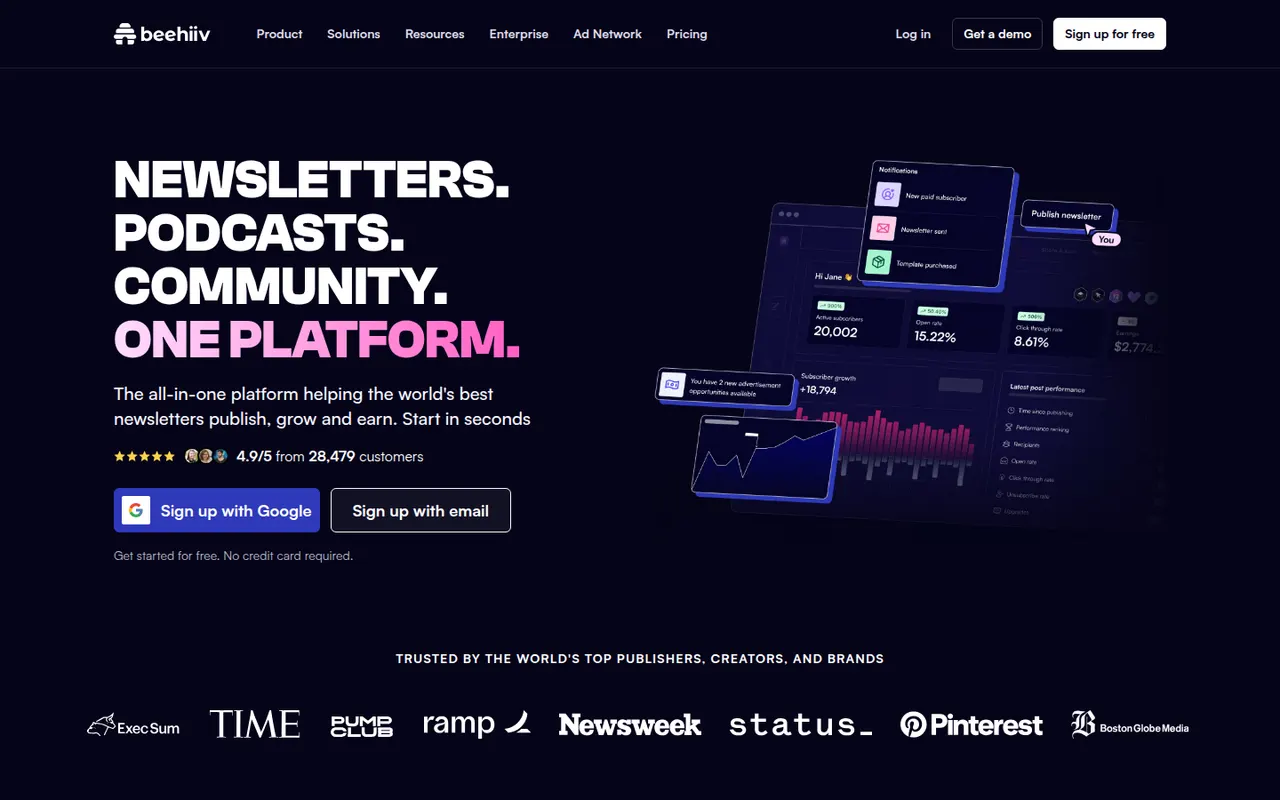
Cost / LicenseFree trialProprietaryCategoriesbeehiiv is a newsletter platform created by former Morning Brew team members, combining an editor, a hosted website and email delivery. It focuses on growth and monetization, with a referral program, recommendations between newsletters, an ad network and paid subscriptions. Publishers also get detailed analytics, A/B testing of subject lines and AI writing tools.
6 beehiiv alternativesPros
- Growth tools like referrals and cross-newsletter recommendations
- Monetization through an ad network and paid subscriptions
- Hosted website and detailed analytics included
Cons
- Most monetization and growth features sit on paid plans
- Less suited to advanced marketing automation or e-commerce
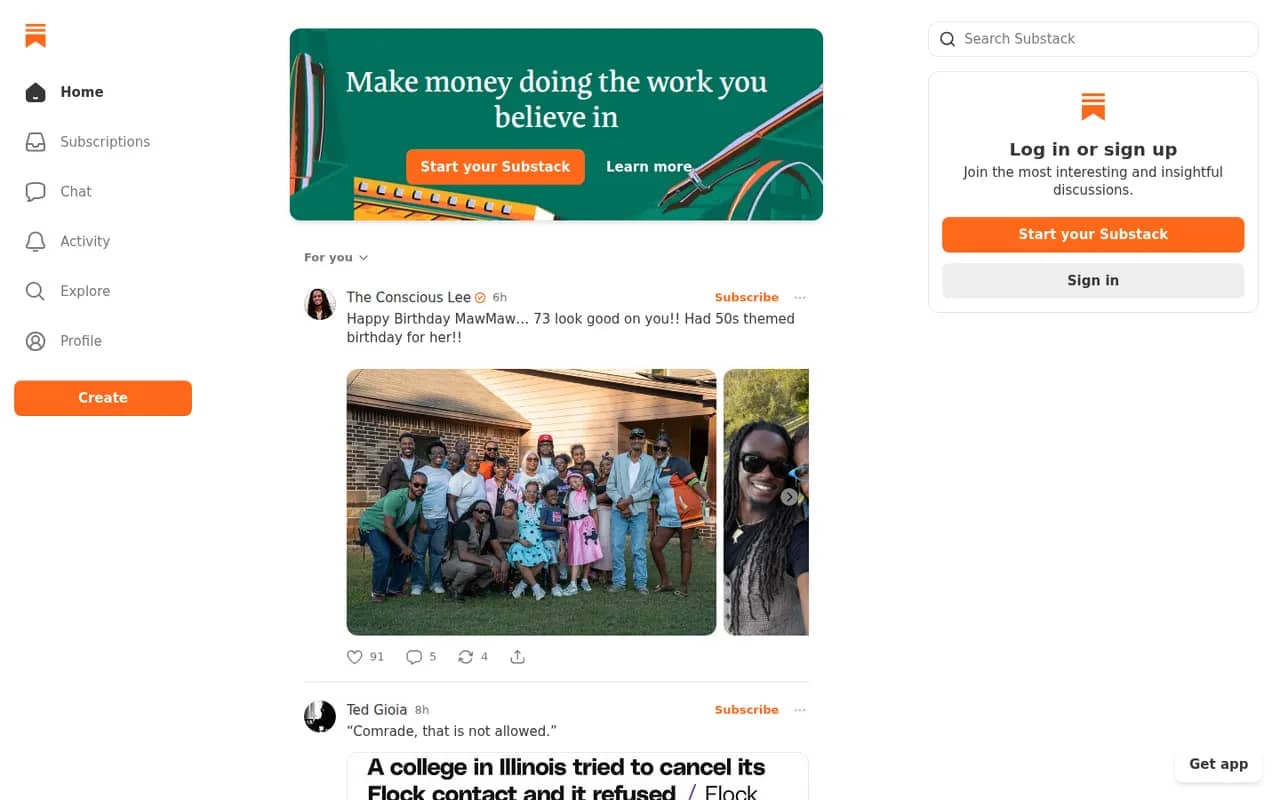
Cost / LicenseFreemiumProprietaryCategoriesPlatformsSubstack lets writers start a newsletter with a web archive, podcast and video hosting, and turn on paid subscriptions when they are ready. Publishing is free: Substack takes a share of subscription revenue instead of charging for a plan. Its reader app, Notes feed and cross-recommendations connect publications into a network that helps writers find readers.
7 Substack alternativesPros
- Free to publish, with no setup or hosting to manage
- Built-in paid subscriptions, podcasts and video
- Notes and cross-recommendations help writers find readers
Cons
- Takes a share of revenue from paid subscriptions
- Limited design and branding customization
- Your audience lives inside Substack’s network rather than your own brand
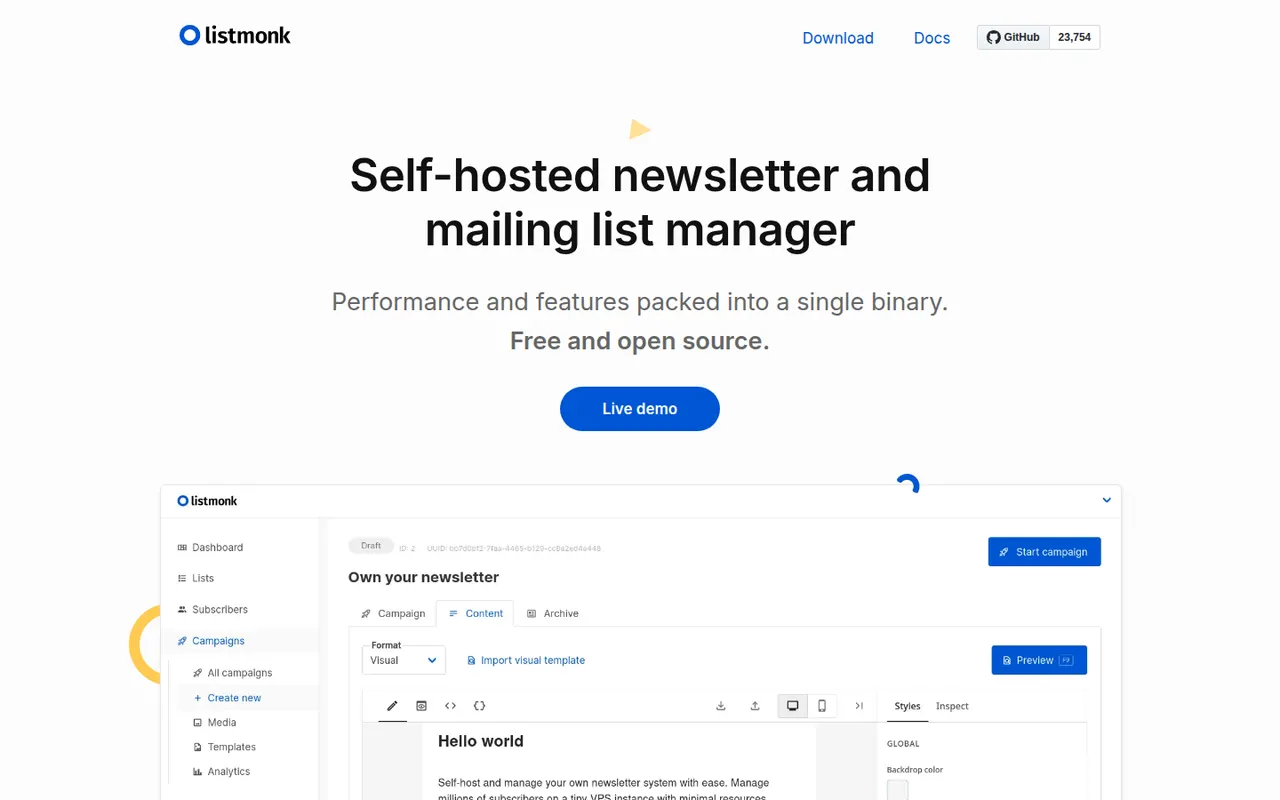
Cost / LicenseFreeProprietaryCategorieslistmonk is a free, open source newsletter and mailing list manager distributed as a single binary backed by PostgreSQL. It handles large subscriber lists, template-based campaigns, transactional messages via API and segmentation through SQL queries, and can send through any SMTP server or service. It suits developers and organizations that want to keep email marketing and subscriber data on their own servers.
6 listmonk alternativesPros
- Free, open source and distributed as a single binary
- Handles very large lists efficiently on PostgreSQL
- Sends through any SMTP server or email service
Cons
- Requires self-hosting and a separate sending service
- No visual automation builder or drip campaigns
- Segmentation relies on SQL queries rather than a point-and-click tool
Cost / LicenseFreeOpen sourceCategoriesPlatformsConstant Contact is a long-established email marketing service aimed at small businesses and nonprofits. It offers a drag-and-drop editor with templates, automated series, list segmentation, SMS, event registration and social posting, backed by phone support. It favors ease of use over advanced automation, which suits teams without a dedicated marketer.
7 Constant Contact alternativesPros
- Easy drag-and-drop editor with many templates
- Phone support for small businesses and nonprofits
- Event registration, SMS and social posting in one tool
Cons
- Automation is basic compared with ActiveCampaign or Klaviyo
- Pricing climbs quickly with list size
- No free plan beyond the trial
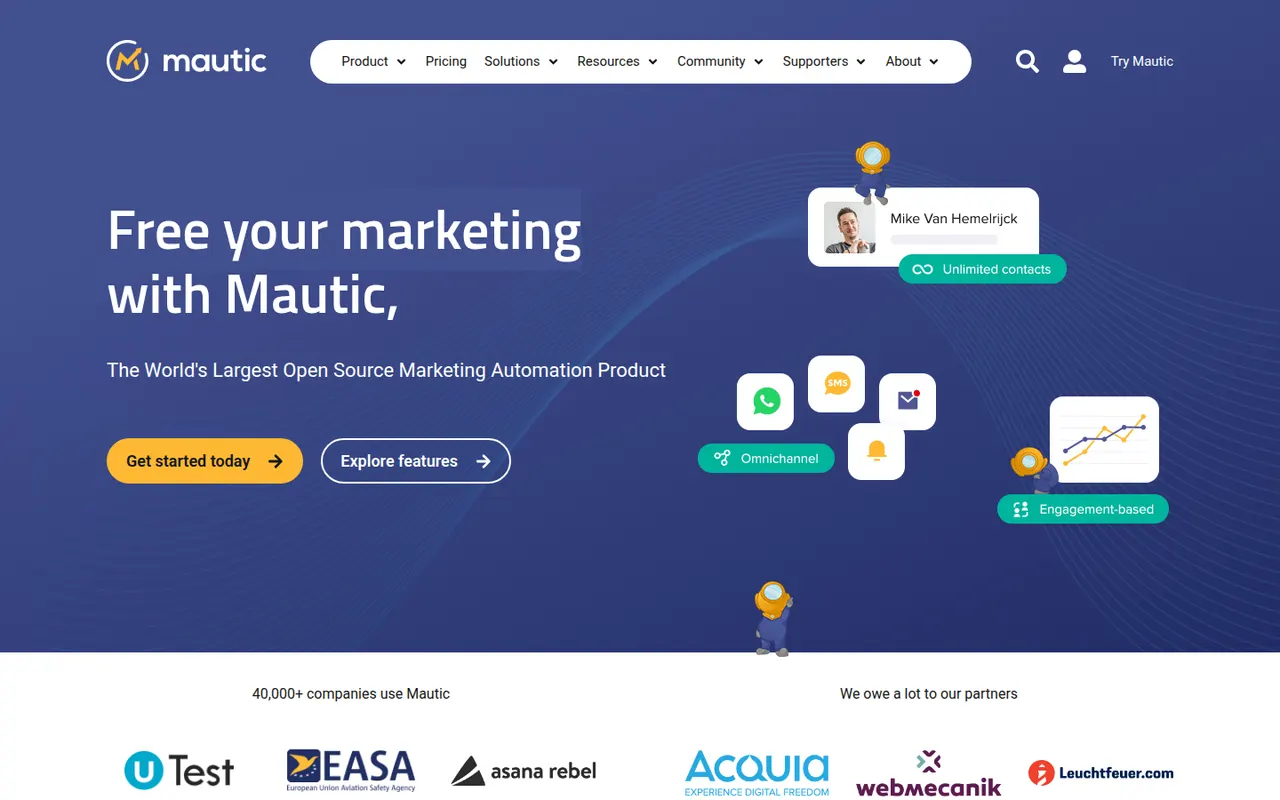
Cost / LicenseFree trialProprietaryCategoriesMautic is an open source marketing automation platform for running email campaigns, landing pages, forms, lead scoring and multi-step customer journeys. Self-hosting it keeps contact data on your own infrastructure, and its plugin system connects it to CRMs and other tools. It suits organizations with technical resources that want an alternative to proprietary automation suites.
7 Mautic alternativesPros
- Free and open source marketing automation
- Contact data stays on your own infrastructure
- Campaign builder with lead scoring, forms and landing pages
Cons
- Installation and maintenance require technical skills
- Needs a separate sending service for good deliverability
- Interface is less polished than commercial automation suites
Cost / LicenseFreeOpen sourceCategoriesPlatformsButtondown is a small, independent newsletter service for writers and developers who prefer a lightweight tool. You write in Markdown or a rich text editor, publish an archive on the web and can charge for subscriptions through Stripe. It offers a complete API, custom domains and RSS-to-email, and is built by a very small team.
6 Buttondown alternativesPros
- Write in Markdown or a rich text editor
- Complete API and RSS-to-email for developers
- Paid subscriptions through Stripe and custom domains
Cons
- Templates and design options are minimal
- Few audience growth tools compared with beehiiv or Substack
Cost / LicenseFreemiumProprietaryCategoriesPlatformsHubSpot is a customer platform built around a free CRM, with paid hubs for marketing automation, sales engagement, customer service, content management and operations. Contacts, deals, emails and support tickets share one record, and the Breeze AI tools help with writing, research and agents. It suits small and mid-sized companies that want marketing, sales and support in a single system.
12 HubSpot alternativesPros
- Free CRM that covers contacts, deals and basic email tracking
- Marketing, sales and service share one customer record
- Large integration marketplace and extensive free training via HubSpot Academy
Cons
- Costs rise steeply once you need Professional-tier features
- Marketing pricing grows with the number of marketing contacts
- Upper tiers can involve onboarding fees and annual contracts
Cost / LicenseFreemiumProprietary