Best apps for Windows
276 apps
Top Windows apps ranked by the community
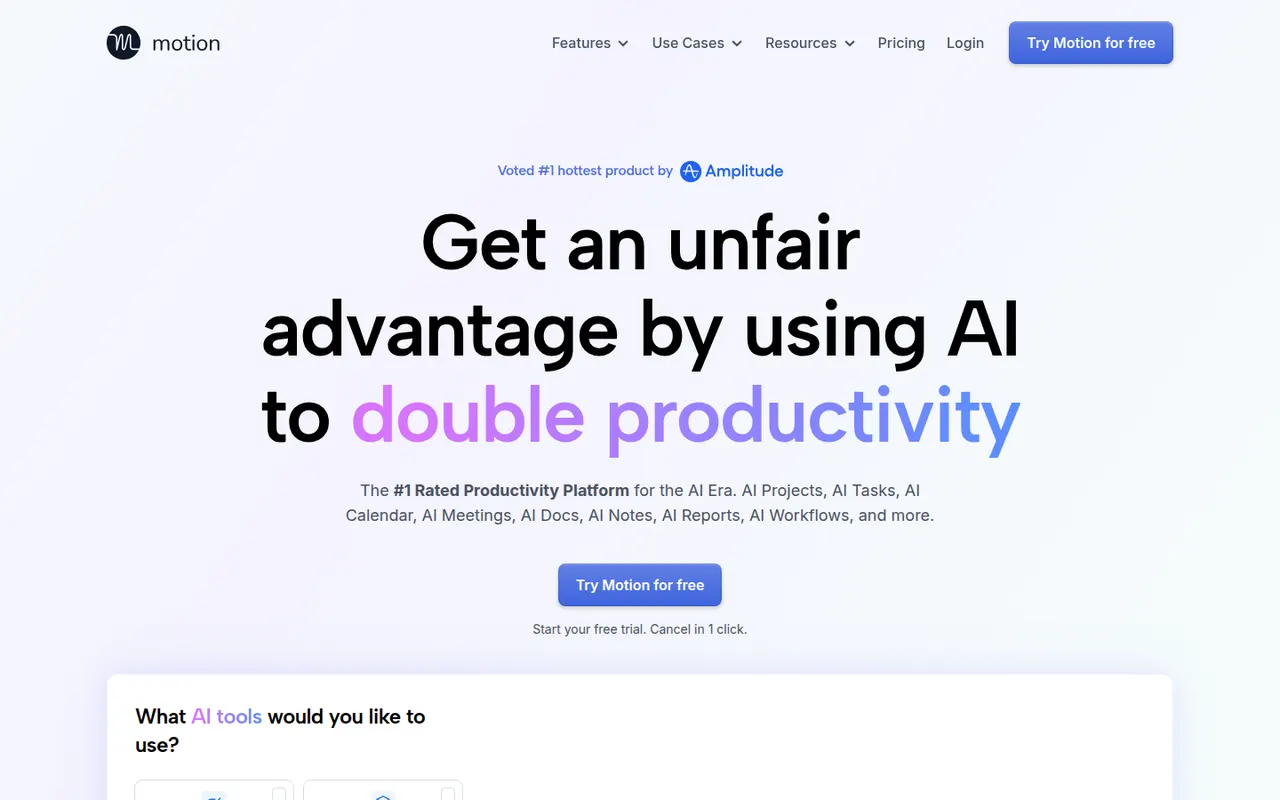
Motion is a planning tool that uses AI to place tasks on your calendar automatically based on deadlines, priorities and meetings, and reshuffles the plan when things change. It combines a calendar, task manager, project views and booking pages, and has expanded into AI agents and docs for teams. Access starts with a free trial rather than a free plan.
11 Motion alternativesPros
- AI places tasks around meetings and deadlines automatically
- Replans the day when priorities or meetings change
- Combines calendar, tasks, projects and booking pages
Cons
- No free plan, only a trial
- Priced well above traditional calendar and to-do apps
- Handing your schedule to an algorithm can feel hard to control
Cost / LicenseFree trialProprietaryMiro is a visual collaboration platform built around an infinite whiteboard where teams run workshops, brainstorms, retrospectives and planning sessions with sticky notes, diagrams and mind maps. It offers thousands of community templates, AI features for clustering and summarizing content, and integrations with Jira, Slack, Teams and Zoom.
12 Miro alternativesPros
- Huge library of community templates for workshops and planning
- Integrations with Jira, Slack, Teams and Zoom
- Apps on the web, desktop and mobile
Cons
- Free plan limits the number of editable boards
- Large boards can become slow and cluttered
- Per-seat pricing adds up for big teams
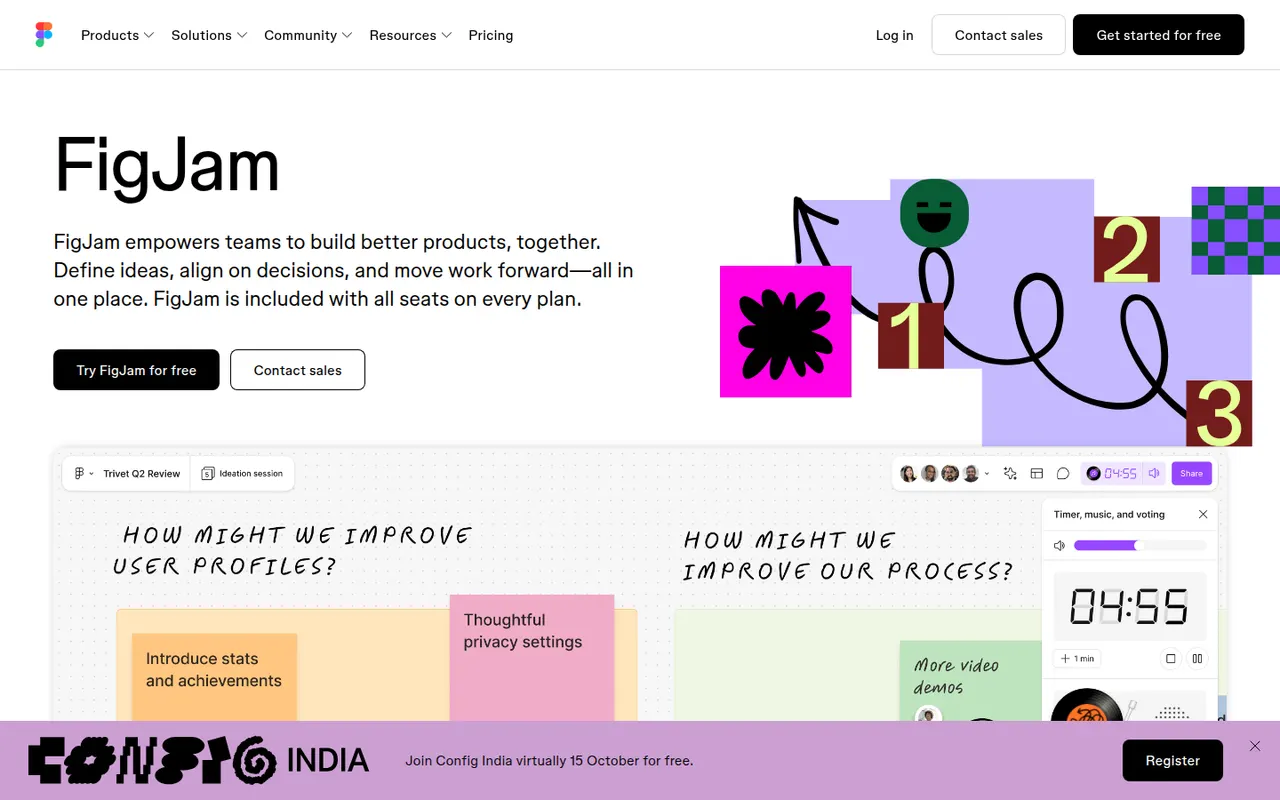
Cost / LicenseFreemiumProprietaryCategoriesFigJam is the collaborative whiteboard from Figma, used for brainstorming, user flows, retrospectives and diagrams alongside design files. It offers sticky notes, stamps, voting, timers, widgets and plugins, AI that can generate boards or diagrams from a prompt, and shares accounts and libraries with Figma, which keeps product and design teams in one tool.
12 FigJam alternativesPros
- Shares accounts and libraries with Figma design files
- Playful facilitation tools such as stamps, voting and timers
- AI can generate boards and diagrams from a prompt
Cons
- Most valuable for teams already using Figma
- Free plan limits how many boards you can keep
- Fewer advanced diagramming features than dedicated tools
Cost / LicenseFreemiumProprietaryCategoriesMicrosoft Whiteboard is a freeform digital canvas for sketching, brainstorming and teaching together, with pen and touch input, sticky notes, templates and reactions. It is built into Microsoft Teams meetings, saves boards to OneDrive, and is free with a Microsoft account on the web, Windows, iOS and Android.
8 Microsoft Whiteboard alternativesPros
- Free with a Microsoft account on web, Windows and mobile
- Built into Microsoft Teams meetings
- Natural pen and touch input for sketching
Cons
- Fewer templates and integrations than Miro or Mural
- No native Mac app, only the web version
- Best suited to teams in the Microsoft ecosystem
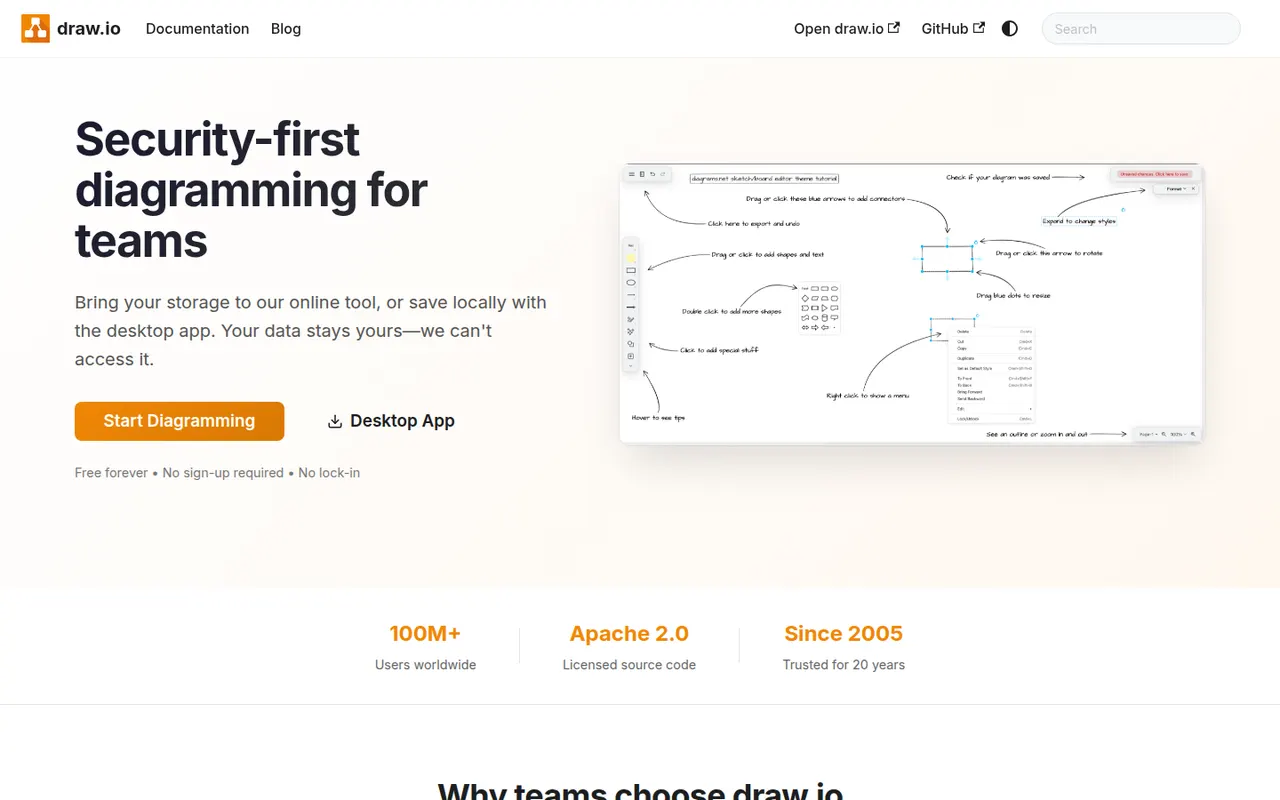
Cost / LicenseFreeProprietaryCategoriesdraw.io, also known as diagrams.net, is a free and open source diagramming tool from JGraph for flowcharts, UML, network, BPMN and org charts. It requires no account, saves diagrams wherever you choose, such as your device, Google Drive, OneDrive or GitHub, and is available as a desktop app for offline use and as an integration for Confluence and Jira.
10 draw.io alternativesPros
- Completely free and open source, with no account required
- Saves diagrams to your device, Google Drive, OneDrive or GitHub
- Offline desktop app plus Confluence and Jira integrations
Cons
- Interface looks dated next to modern whiteboard tools
- Real-time collaboration is more limited than in paid rivals
Cost / LicenseFreeOpen sourceCategoriesPlatformsMicrosoft Visio is a diagramming application for flowcharts, floor plans, network diagrams, org charts and engineering schematics, with large stencil libraries and support for standards such as BPMN and UML. The full desktop app runs on Windows, a lighter web version is included with many Microsoft 365 business plans, and diagrams can be co-authored and linked to Excel data.
8 Microsoft Visio alternativesPros
- Extensive stencil libraries with BPMN and UML support
- Diagrams can be linked to Excel data
- Web version included with many Microsoft 365 business plans
Cons
- Full desktop app runs only on Windows
- Expensive for occasional use, with no free plan
- Interface feels heavy compared with modern web tools
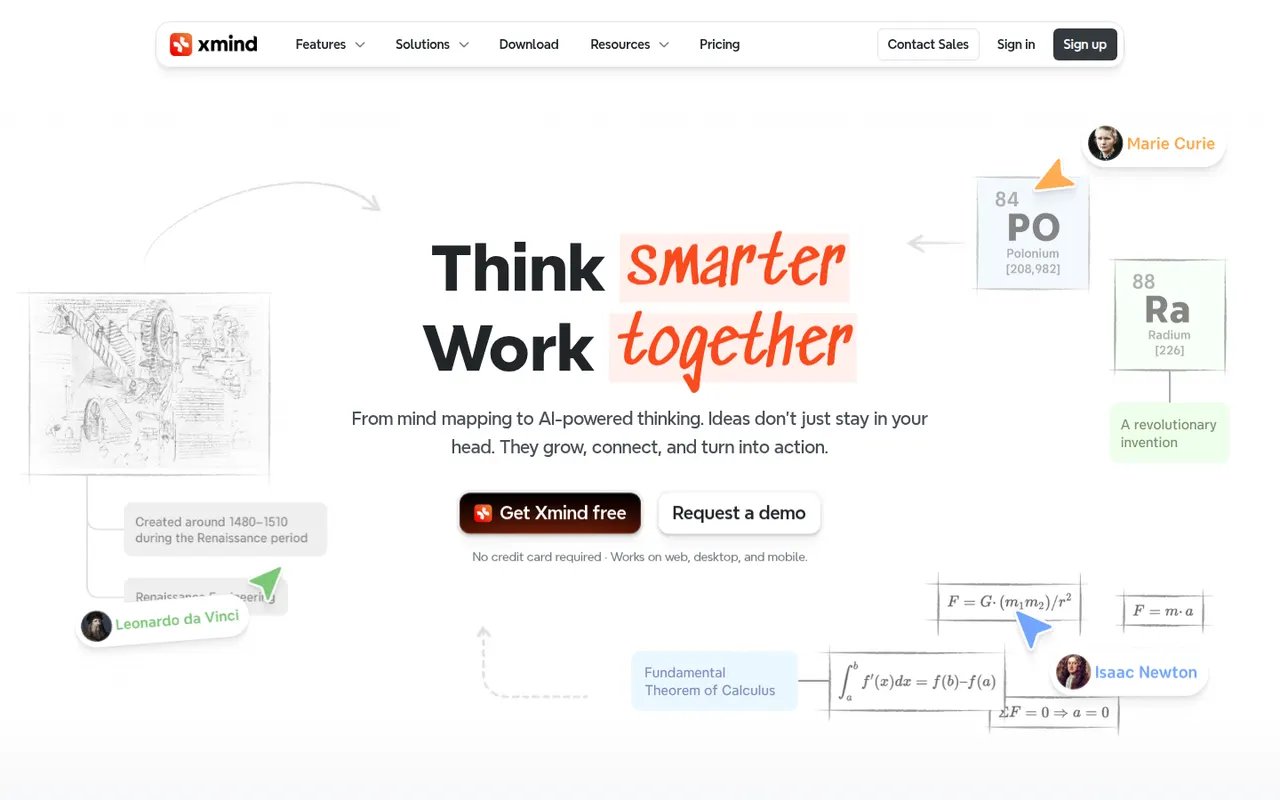
Cost / LicensePaidProprietaryCategoriesXmind is a mind mapping app for brainstorming, planning and note-taking, with structures such as logic charts, org charts, fishbone diagrams, timelines and matrices. It offers themes, an outliner view, a pitch mode for presenting maps and AI features to expand ideas, on Windows, Mac, Linux, iOS and Android, with a free version and a paid Pro subscription.
9 Xmind alternativesPros
- Many structures, from logic charts to fishbone diagrams and timelines
- Native desktop and mobile apps that work offline
- Pitch mode turns a map into a presentation
Cons
- Key features require the Pro subscription
- Focused on mind maps rather than freeform whiteboarding
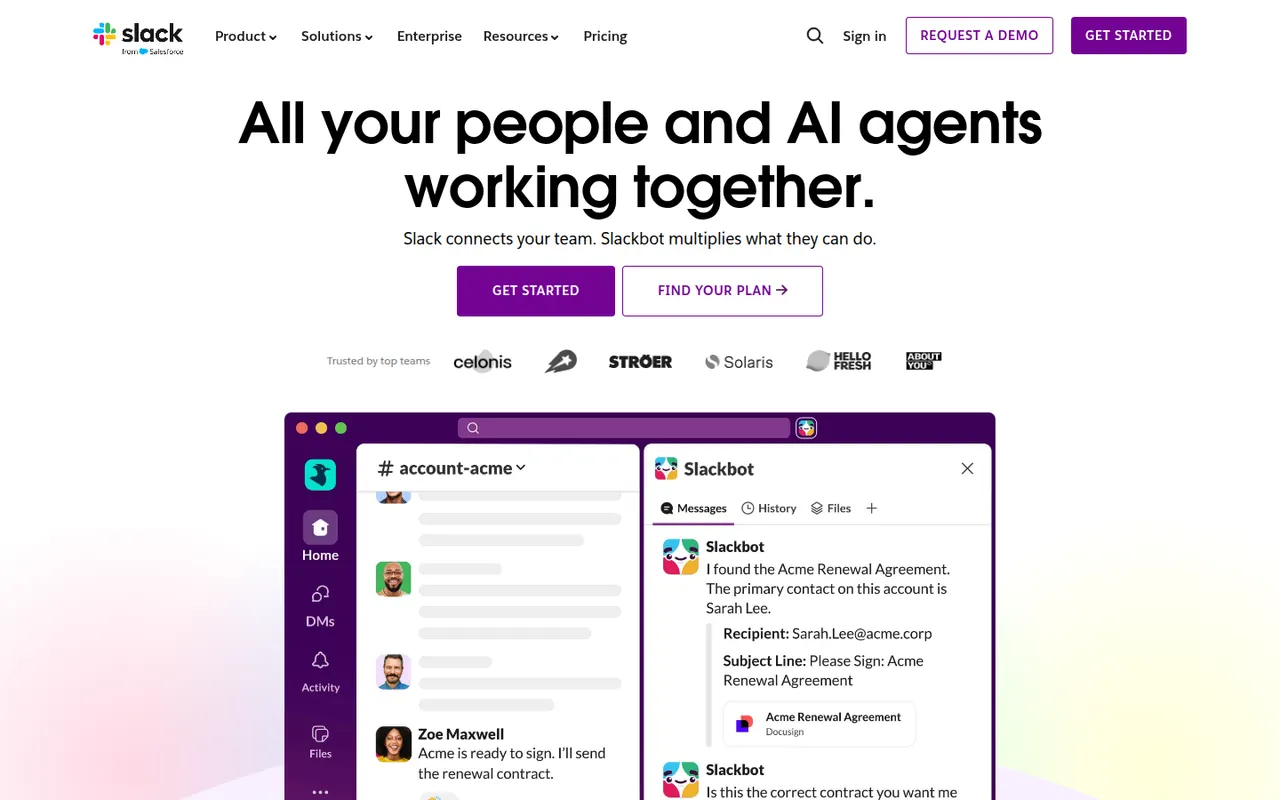
Cost / LicenseFreemiumProprietaryCategoriesSlack is a workplace messaging app that organizes conversations into channels by team, project or topic, with threads, direct messages and huddles for quick audio or video calls. A large app directory and an open API connect it to most business tools, and Slack Connect lets companies share channels with clients and partners. AI summaries and search are available on paid plans.
9 Slack alternativesPros
- Huge app directory connects to almost any business tool
- Slack Connect shares channels with clients and partners
- Huddles make quick audio and video calls effortless
Cons
- Free plan hides older message history
- Paid plans get costly for large teams
- Constant notifications can hurt focus
Cost / LicenseFreemiumProprietaryCategoriesMicrosoft Teams combines persistent team chat, channels, video meetings, webinars and calling in one app tied to Microsoft 365. Files live in SharePoint and OneDrive and can be co-edited in Word, Excel or PowerPoint without leaving the conversation. It suits organizations already standardized on Microsoft 365, and Copilot adds meeting recaps and chat summaries on eligible licenses.
12 Microsoft Teams alternativesPros
- Chat, meetings and calls in one app tied to Microsoft 365
- Co-edit Word, Excel and PowerPoint files without leaving a conversation
- Enterprise-grade admin, security and compliance controls
Cons
- Can feel heavy and slow, especially on older machines
- Channels, chats and files can be confusing to navigate
- Less appealing outside a Microsoft 365 environment
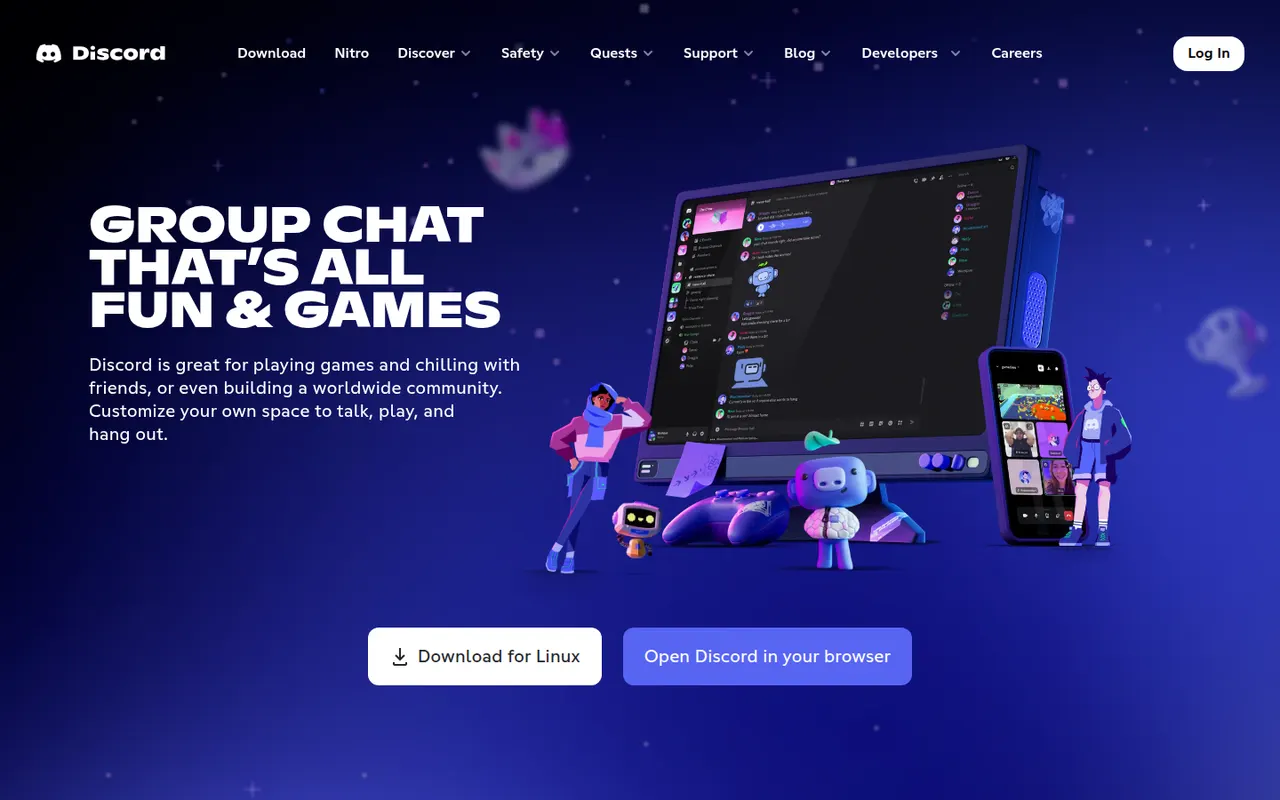
Cost / LicenseFreemiumProprietaryCategoriesDiscord is a chat platform built around servers, each with its own text channels, voice channels and roles. It started with gamers but now hosts communities of every kind, from open-source projects to study groups, with drop-in voice rooms, screen sharing, threads and forums. Bots extend servers, and an optional Nitro subscription adds perks such as larger uploads and higher-quality streaming.
11 Discord alternativesPros
- Drop-in voice channels make spontaneous conversations easy
- Roles, bots and permissions scale to very large communities
- Generous free tier across desktop, mobile and the web
Cons
- Not designed for workplace compliance or admin controls
- Busy servers and notifications can quickly feel overwhelming
- Text messages are not end-to-end encrypted
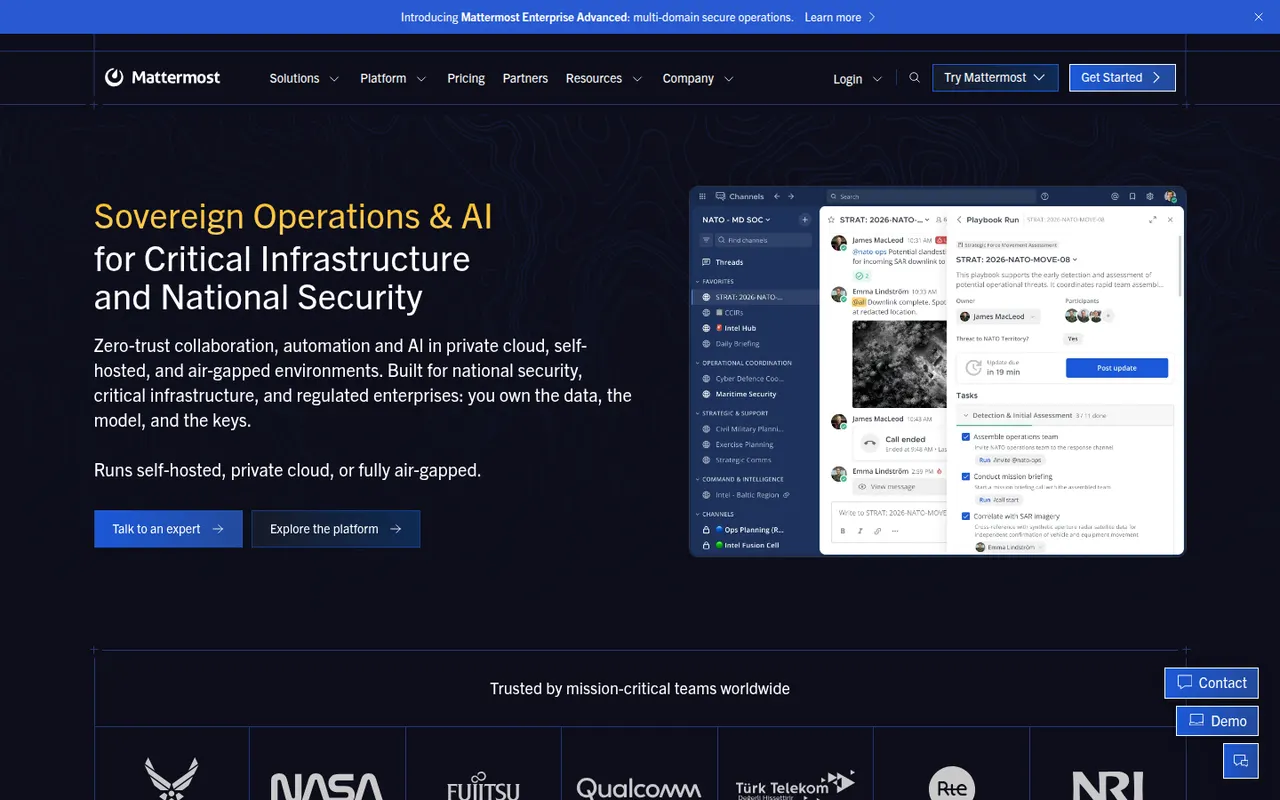
Cost / LicenseFreemiumProprietaryCategoriesMattermost is an open-source collaboration platform offering channels, threads, calls and playbooks for structured workflows. Organizations can run it on their own servers or in a private cloud to keep full control of their data, which appeals to engineering teams, public agencies and regulated industries. Plugins, webhooks and an API connect it to DevOps tools like GitLab, Jira and Jenkins.
8 Mattermost alternativesPros
- Self-hosting keeps full control over data and infrastructure
- Strong DevOps integrations with GitLab, Jira and Jenkins
- Playbooks structure incident response and repeatable workflows
Cons
- Self-hosted deployments need ongoing admin work
- Smaller app ecosystem than Slack
- Advanced compliance and enterprise features require paid plans
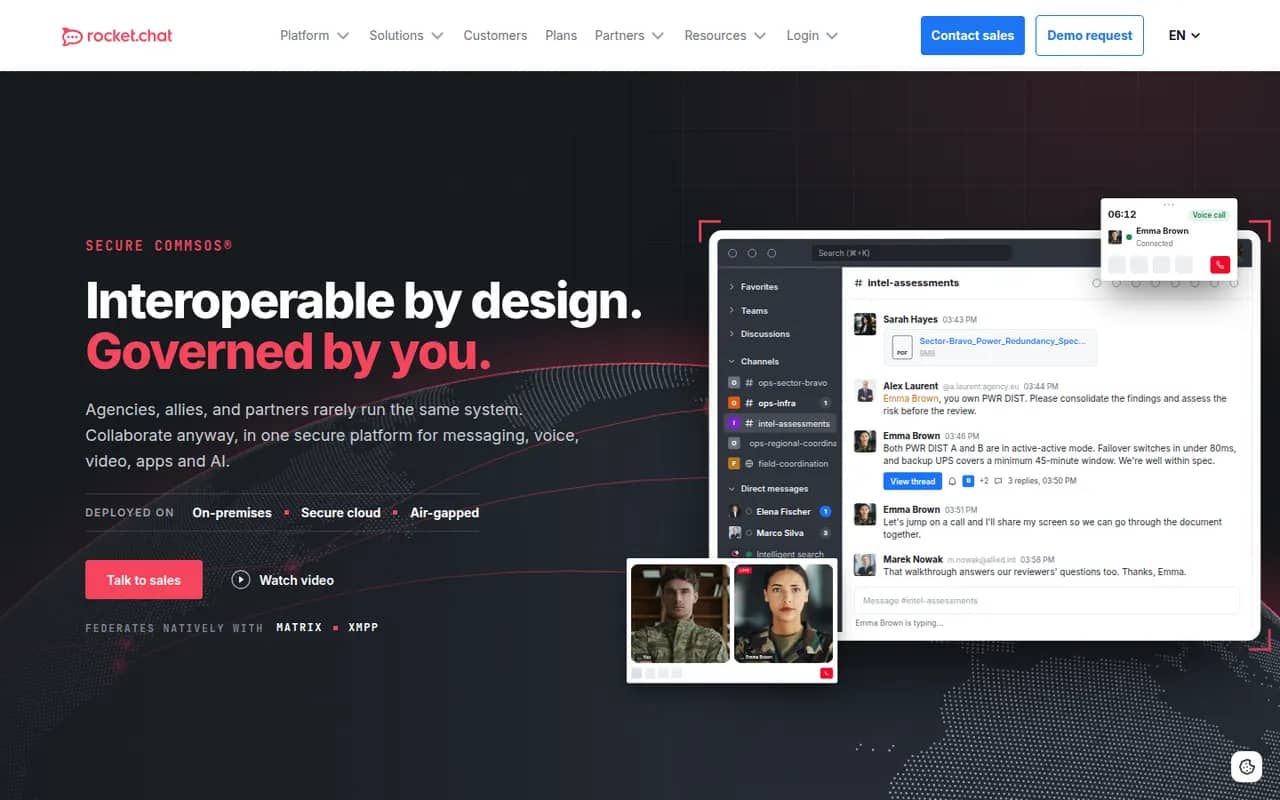
Cost / LicenseFreemiumOpen sourceCategoriesRocket.Chat is an open-source communications platform that can be self-hosted or used as a cloud service. Besides team channels, threads, direct messages and calls, it includes an omnichannel module that routes website chat, email and messaging apps to support agents. Its marketplace and APIs let organizations customize it heavily, and self-hosting suits teams with strict data residency needs.
9 Rocket.Chat alternativesPros
- Omnichannel module routes website chat, email and messaging apps
- Self-hostable open source platform for strict data residency needs
- Marketplace and APIs allow deep customization
Cons
- Self-hosted setups require regular maintenance and upgrades
- Some features are reserved for paid editions
- The wide range of settings makes administration complex
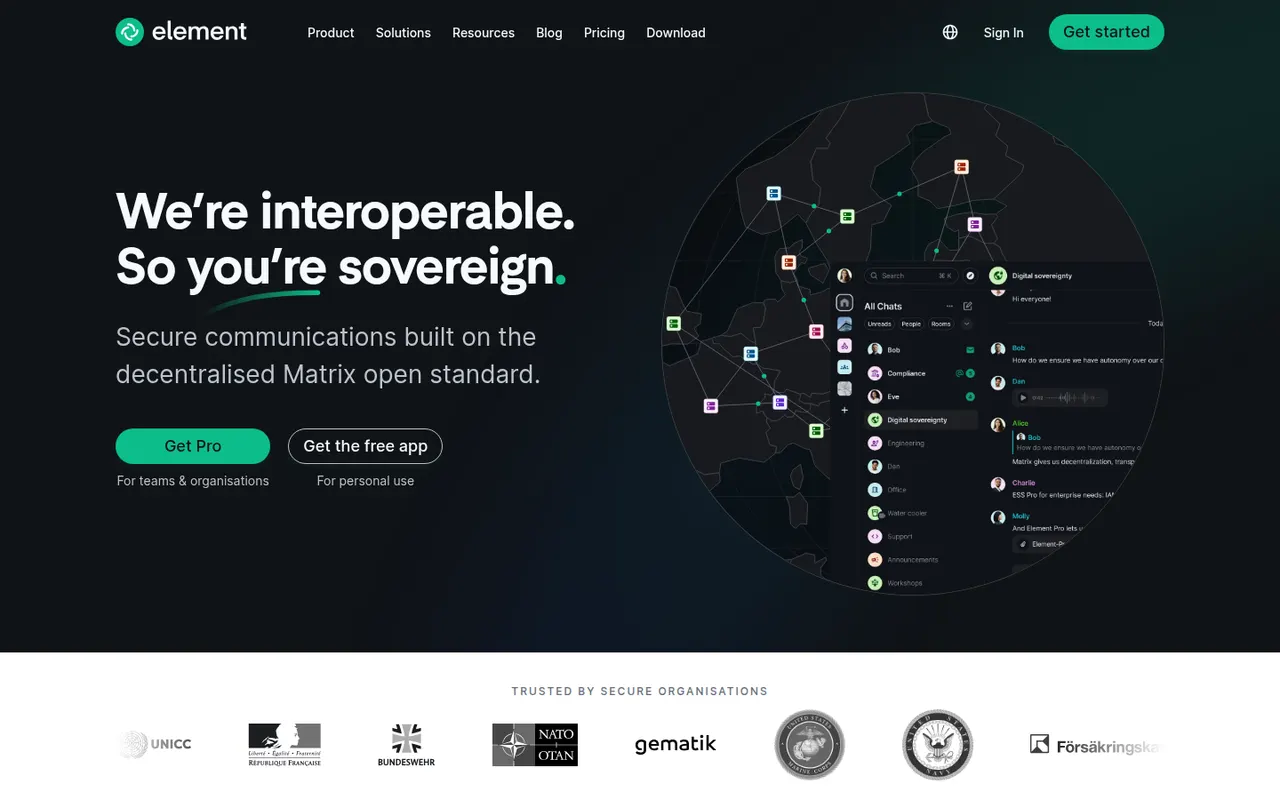
Cost / LicenseFreemiumOpen sourceCategoriesElement is a messaging app from the team that created Matrix, an open standard for decentralized, federated chat. Rooms, direct messages and calls are end-to-end encrypted, and people on different Matrix servers can talk to each other like email. Individuals can join a public server for free, while organizations and governments self-host or buy Element's enterprise server suite, with bridges to other chat networks.
12 Element alternativesPros
- End-to-end encryption by default for private rooms and messages
- Federated Matrix network, so no single company controls your chats
- Open source and self-hostable, popular with public sector bodies
Cons
- Encryption keys and device verification can confuse newcomers
- Running your own Matrix server takes real technical effort
- Fewer business integrations than mainstream team chat apps
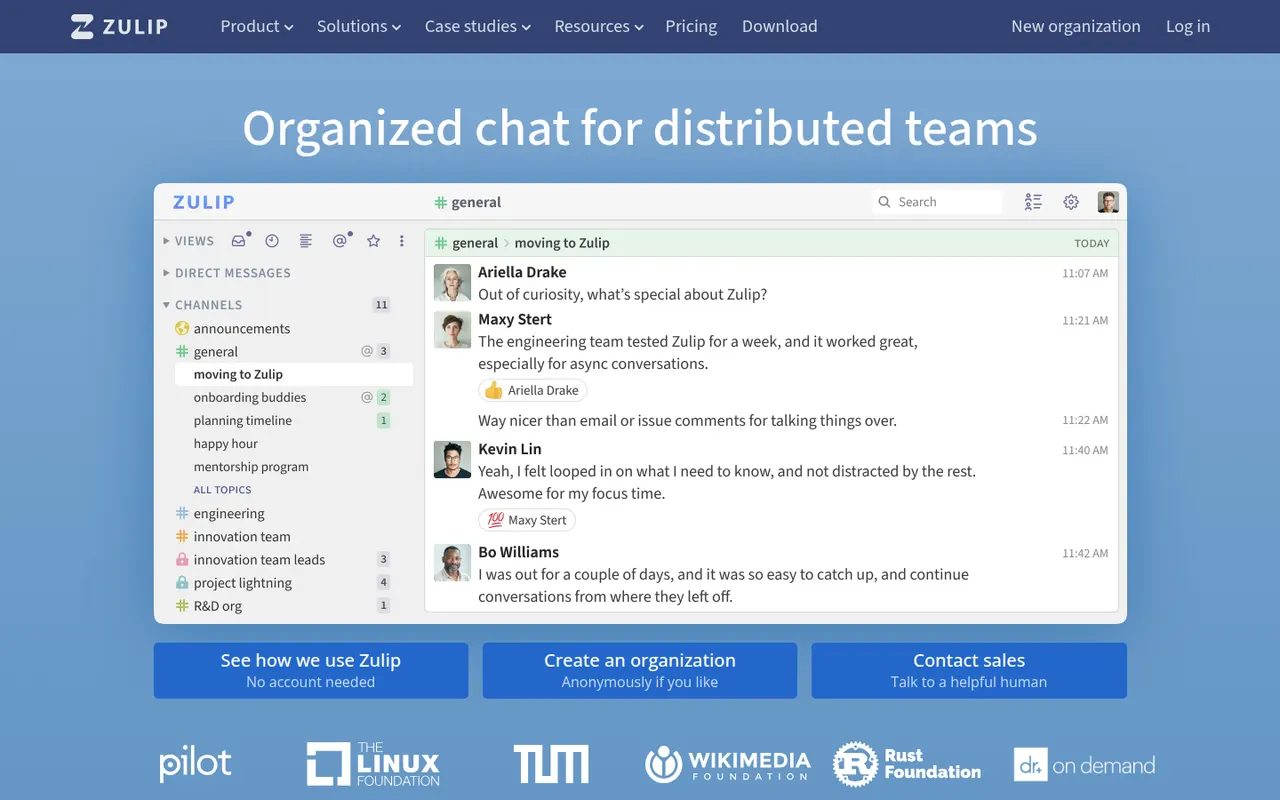
Cost / LicenseFreemiumOpen sourceCategoriesZulip is an open-source team chat app whose threading model files every channel message under a named topic, so people can catch up on several discussions without losing context. It supports Markdown, code blocks and LaTeX math, and integrates with common developer tools. It can be self-hosted for free or used through Zulip Cloud, which suits open-source projects, research groups and remote teams.
8 Zulip alternativesPros
- Topic-based threading makes catching up on discussions easy
- Markdown, code blocks and LaTeX suit technical teams
- Free to self-host under an open source license
Cons
- The topic model takes some getting used to after Slack
- Video calls rely on external services such as Jitsi or Zoom
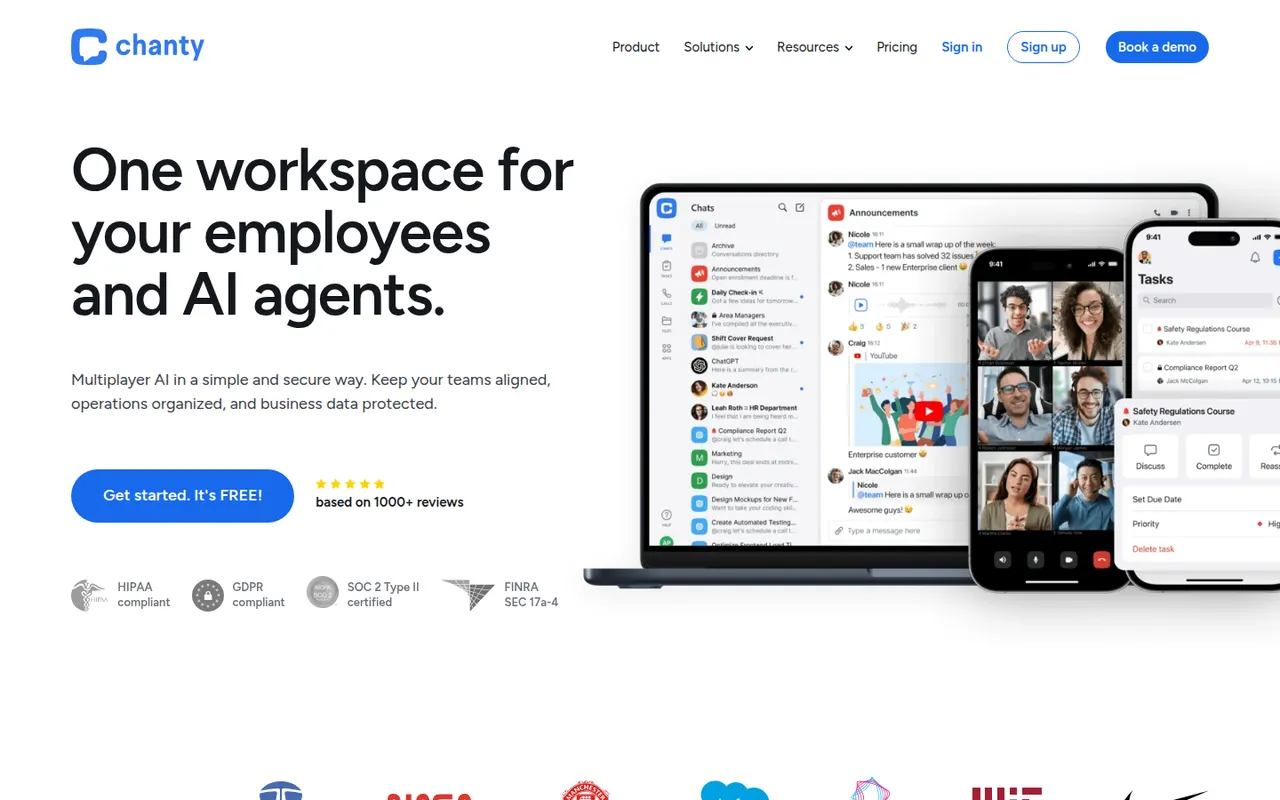
Cost / LicenseFreemiumOpen sourceCategoriesChanty is a team messaging app aimed at small and mid-sized teams who want something simpler than larger chat suites. It offers public and private conversations, audio and video calls with screen sharing, and a built-in task manager with a Kanban board, so messages can be turned into tasks. A free plan covers small teams, and integrations connect it to common workplace tools.
8 Chanty alternativesPros
- Simple interface that small teams pick up quickly
- Built-in Kanban task board turns messages into tasks
- Free plan is enough to get a small team started
Cons
- Smaller integration catalog than Slack or Microsoft Teams
- Task management is basic compared with dedicated tools
Cost / LicenseFreemiumProprietaryCategoriesWhatsApp is Meta's messaging app for text, voice notes, photos, group chats and voice or video calls. Personal messages and calls are end-to-end encrypted by default using the Signal Protocol, and each account is linked to a phone number. Companion apps run on desktop and the web, and WhatsApp Business lets companies chat with their customers.
8 WhatsApp alternativesPros
- Huge user base makes it easy to reach almost anyone
- Personal chats and calls are encrypted by default with the Signal Protocol
- WhatsApp Business lets companies talk with their customers
Cons
- Owned by Meta, which collects metadata about how you use it
- Every account is tied to a phone number
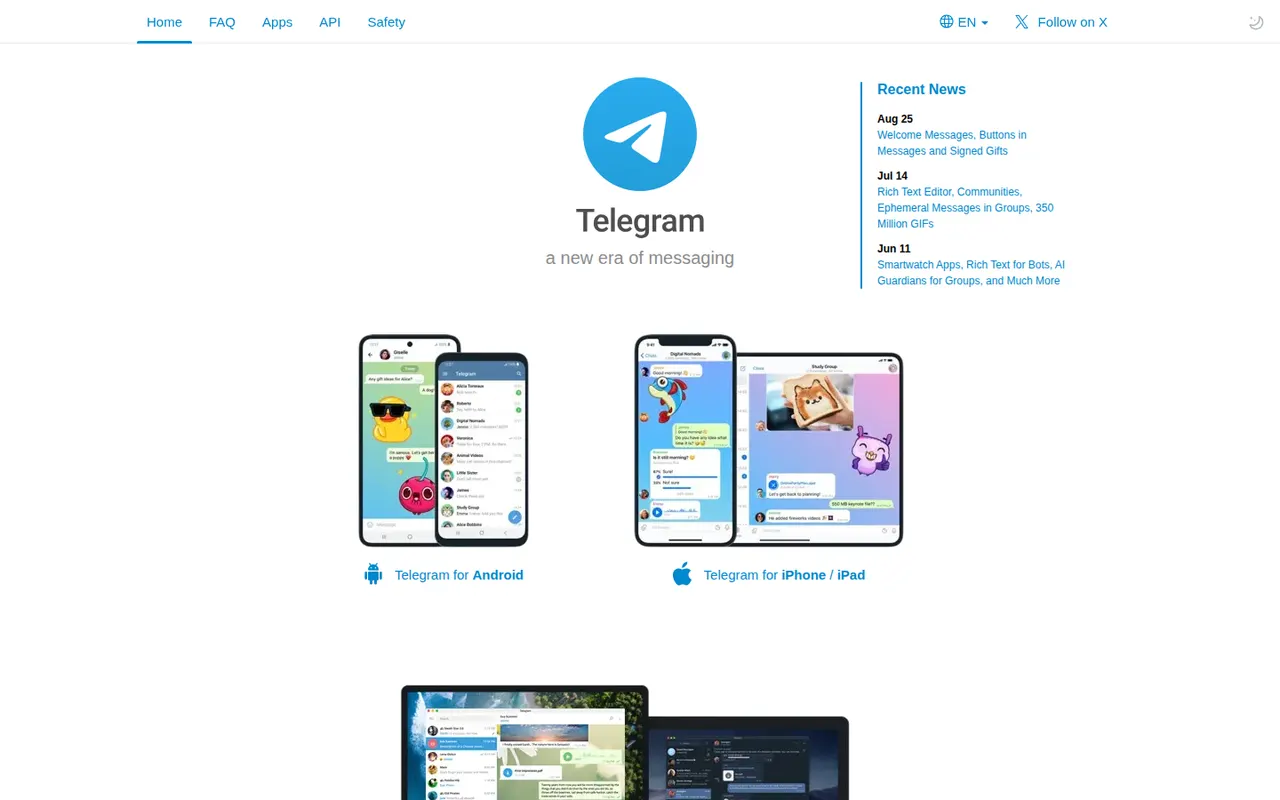
Cost / LicenseFreeProprietaryCategoriesTelegram is a cloud-based messaging app that syncs chats across phones, desktops and the web, with very large groups, broadcast channels and an extensive bot platform. Its client apps are open source, but the server is not, and only the optional Secret Chats are end-to-end encrypted. Telegram Premium adds extras such as bigger uploads and faster downloads.
10 Telegram alternativesPros
- Cloud sync across phone, desktop and web
- Huge groups, broadcast channels and a powerful bot platform
- Open source clients that are fast and polished
Cons
- Regular chats are not end-to-end encrypted, only Secret Chats are
- Secret Chats do not sync across devices and are unavailable in groups
- Server code is closed, unlike the client apps
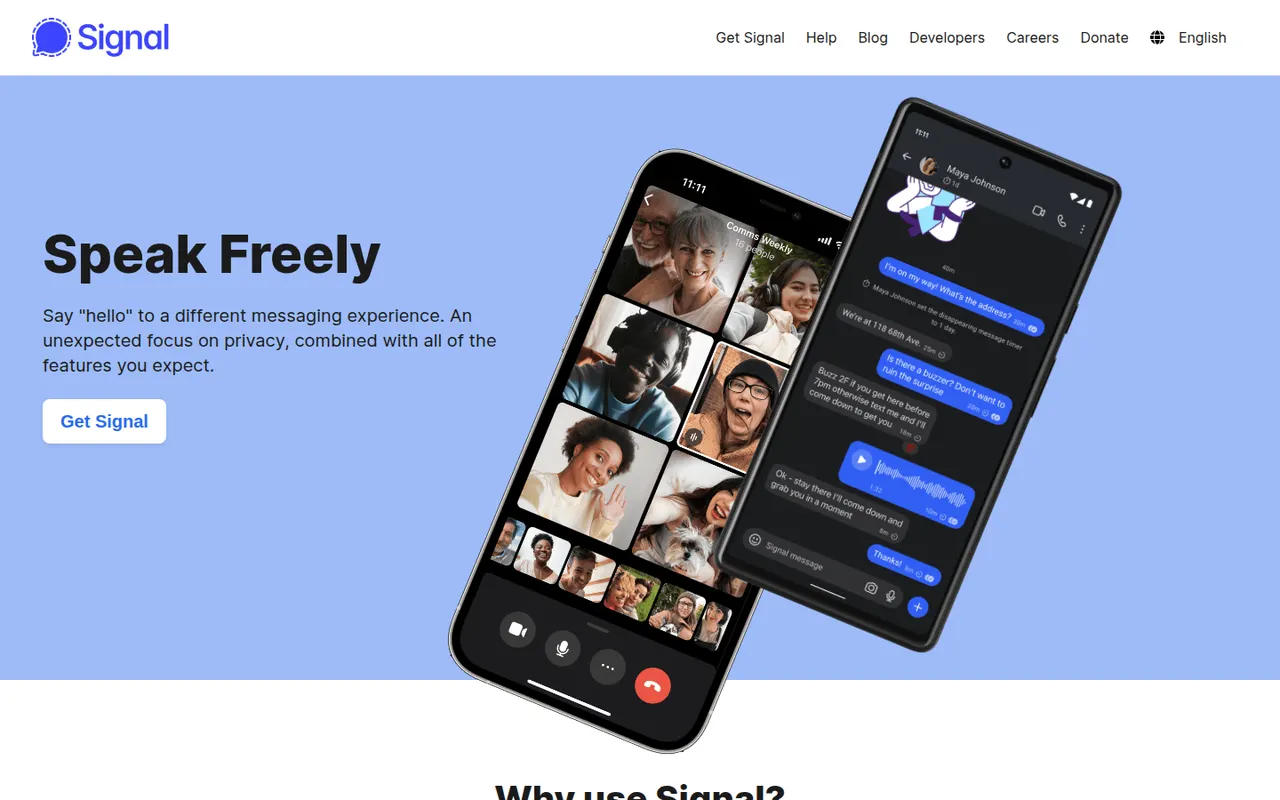
Cost / LicenseFreemiumOpen sourceCategoriesSignal is a free, open-source messenger run by the nonprofit Signal Foundation. Messages, calls, group chats and media are end-to-end encrypted with the Signal Protocol, and the service is designed to collect as little metadata as possible. Registration requires a phone number, though usernames let you chat without sharing it, and the app has no ads or trackers.
10 Signal alternativesPros
- Signal Protocol encrypts messages, calls and groups end to end
- Run by a nonprofit, with minimal metadata and no ads
- Usernames let you chat without revealing your phone number
Cons
- A phone number is still required to register
- Fewer of your contacts are likely to use it than mainstream apps
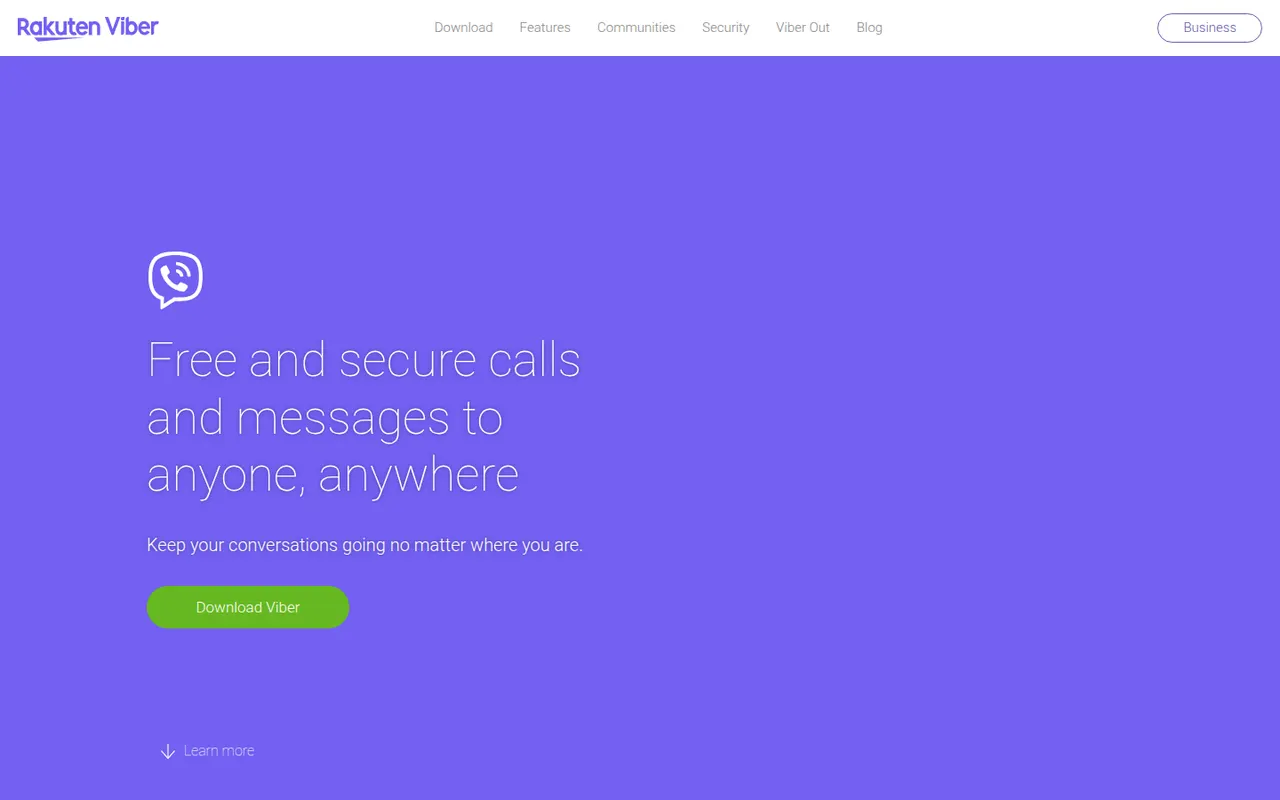
Cost / LicenseFreeOpen sourceCategoriesViber is a messaging and calling app from Rakuten Viber, offering one-to-one and group chats, voice and video calls, stickers, and large public communities and channels. Chats and calls are end-to-end encrypted by default, and disappearing messages are available. Paid Viber Out credits let users call regular mobile and landline numbers.
8 Viber alternativesPros
- Chats and calls are end-to-end encrypted by default
- Large public communities and channels
- Viber Out credits let you call regular mobile and landline numbers
Cons
- Ads and sponsored content appear in the app
- A phone number is required to sign up
- Widely used in some countries but rare in others
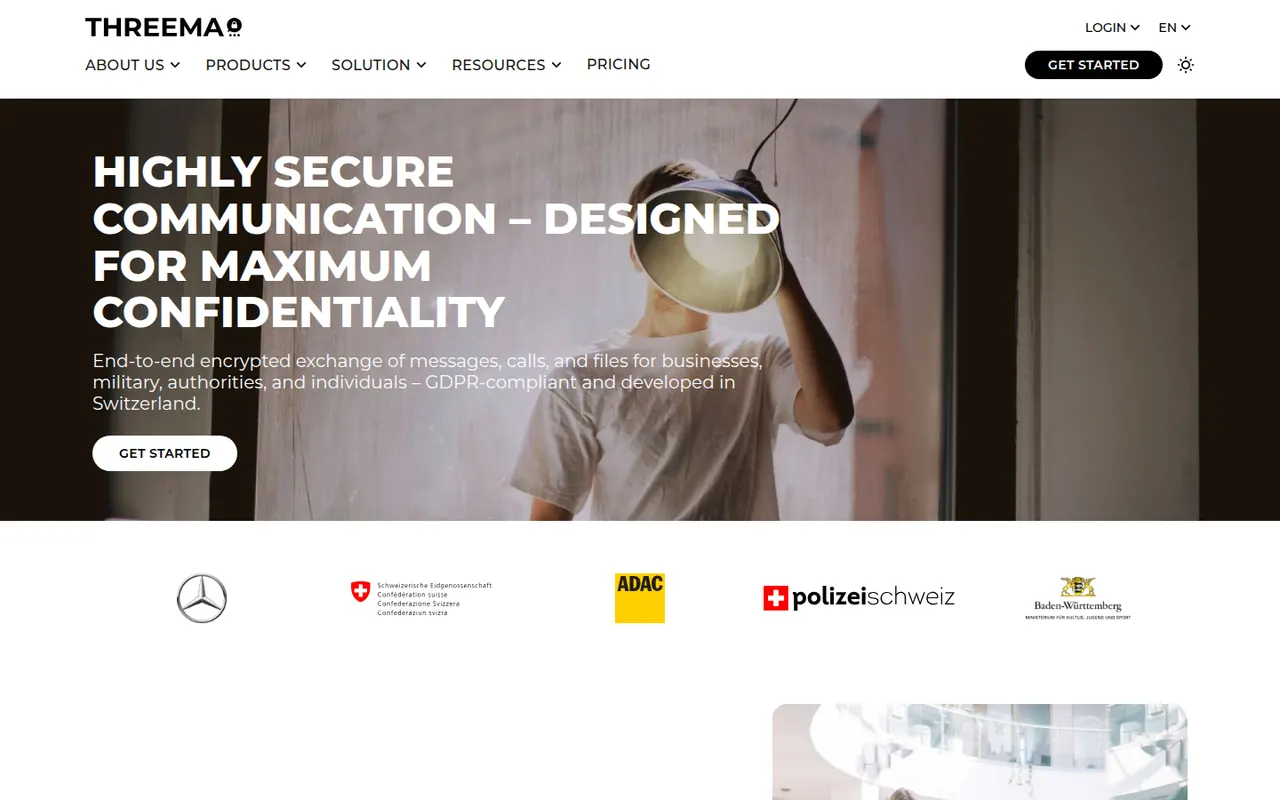
Cost / LicenseFreemiumProprietaryCategoriesThreema is a privacy-focused messenger from Switzerland that end-to-end encrypts messages, calls, groups and files. Each user gets a random Threema ID, so no phone number or email address is required, and the address book is only synced if you choose to. The apps are open source and sold for a one-time fee, while Threema Work targets companies and public institutions.
9 Threema alternativesPros
- No phone number or email needed, thanks to a random Threema ID
- Swiss company with a strong privacy focus and GDPR compliance
- One-time purchase instead of ads or a subscription
Cons
- Being a paid app discourages contacts from joining
- Smaller user base than mainstream messengers
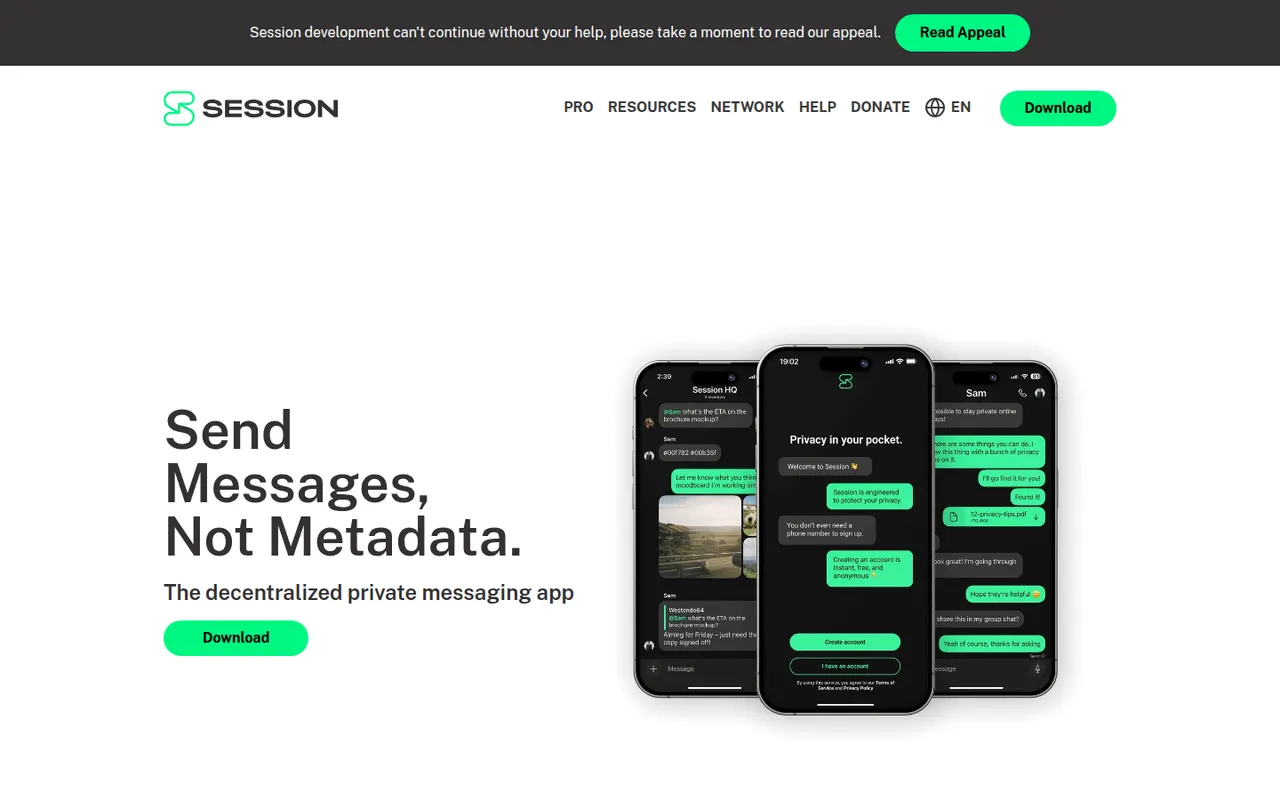
Cost / LicensePaidOpen sourceCategoriesSession is an open-source, end-to-end encrypted messenger that needs no phone number or email: an account is just a randomly generated Session ID. Messages are relayed through a decentralized network of community-operated nodes using onion routing, which hides IP addresses and limits metadata. It supports one-to-one chats, small private groups and larger communities on desktop and mobile.
9 Session alternativesPros
- No phone number or email: an account is just a random Session ID
- Onion routing hides IP addresses and limits metadata
- Decentralized network of community-operated nodes
Cons
- Messages can arrive more slowly than on centralized apps
- Small user base compared with mainstream messengers
- Losing your recovery phrase means losing your account
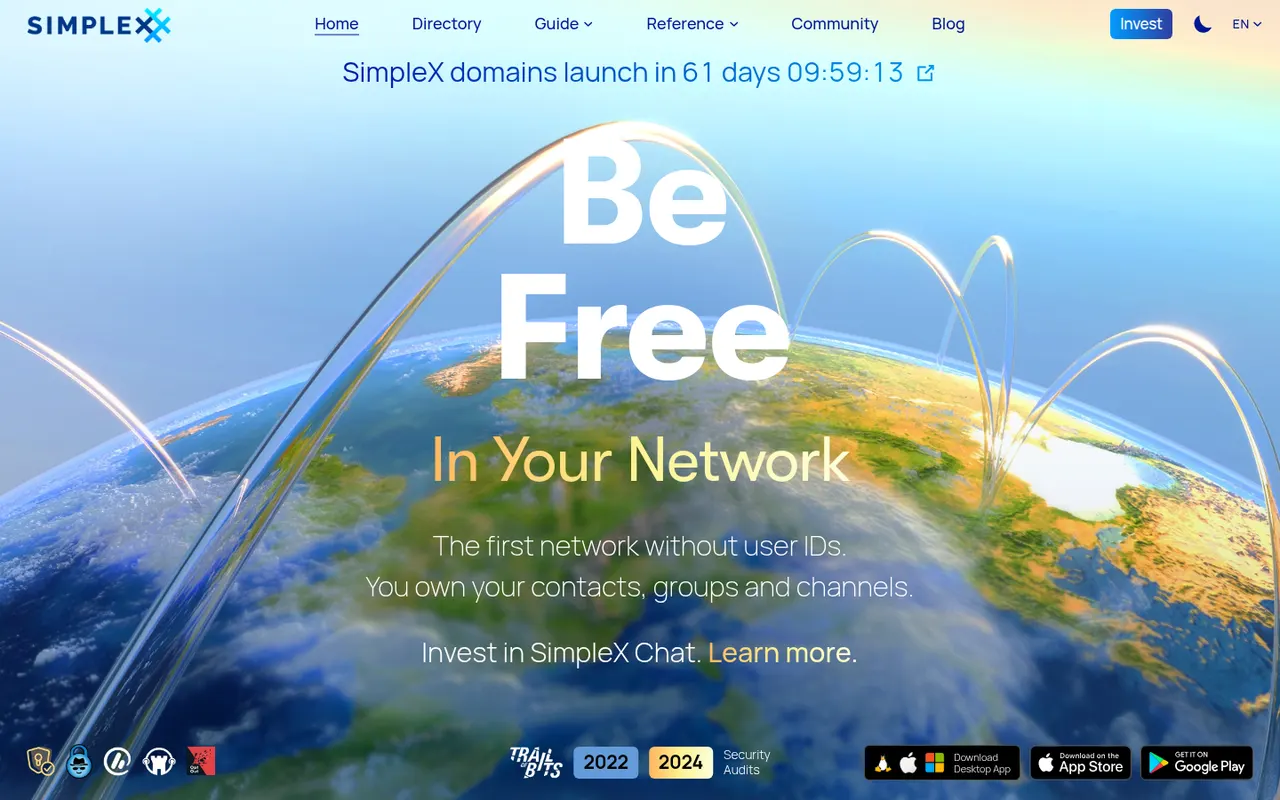
Cost / LicenseFreeOpen sourceCategoriesSimpleX Chat is an open-source messenger that does not assign users any identifier, not even a random one: contacts connect through one-time links or QR codes. Messages are end-to-end encrypted and pass through relay servers that keep no user profiles, and anyone can run their own relays. It supports groups, voice and video calls, disappearing messages and multiple chat profiles.
9 SimpleX Chat alternativesPros
- No user identifiers at all, not even random ones
- Anyone can run their own relay servers
- Groups, calls, disappearing messages and multiple chat profiles
Cons
- Connecting through one-time links is less convenient than a contact list
- Small user base, so few contacts will already be on it
- Using one account across several devices is limited
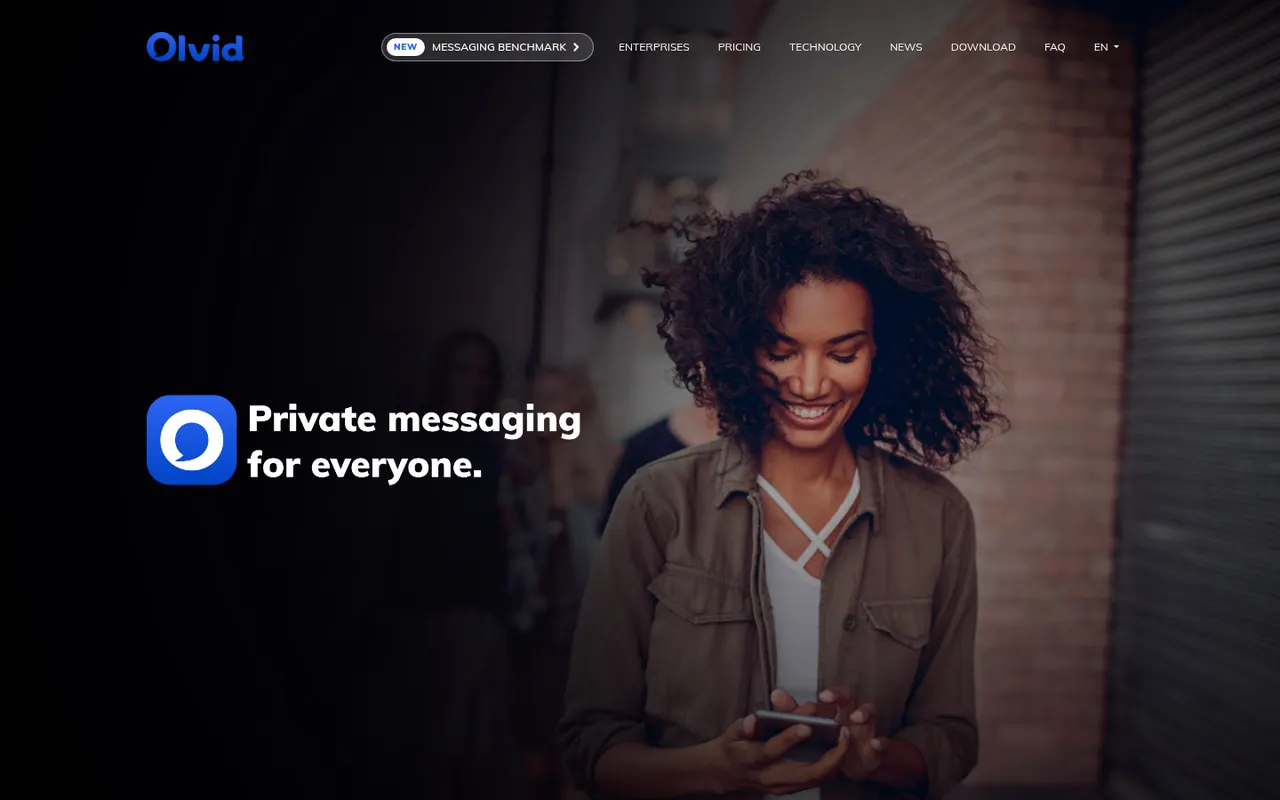
Cost / LicenseFreeOpen sourceCategoriesOlvid is an end-to-end encrypted messenger developed in France that works without a phone number, email address or central user directory: contacts are added by exchanging codes in person or through trusted introductions. Its security has been certified by ANSSI, the French cybersecurity agency, and its apps are open source. Messaging is free, with paid subscriptions for advanced features and for businesses.
8 Olvid alternativesPros
- No phone number, email or central user directory required
- Security certified by ANSSI, the French cybersecurity agency
- Open source apps on desktop and mobile
Cons
- Adding contacts in person or via introductions slows onboarding
- Small user base, so most contacts will need to install it
- Advanced features and business use require a subscription
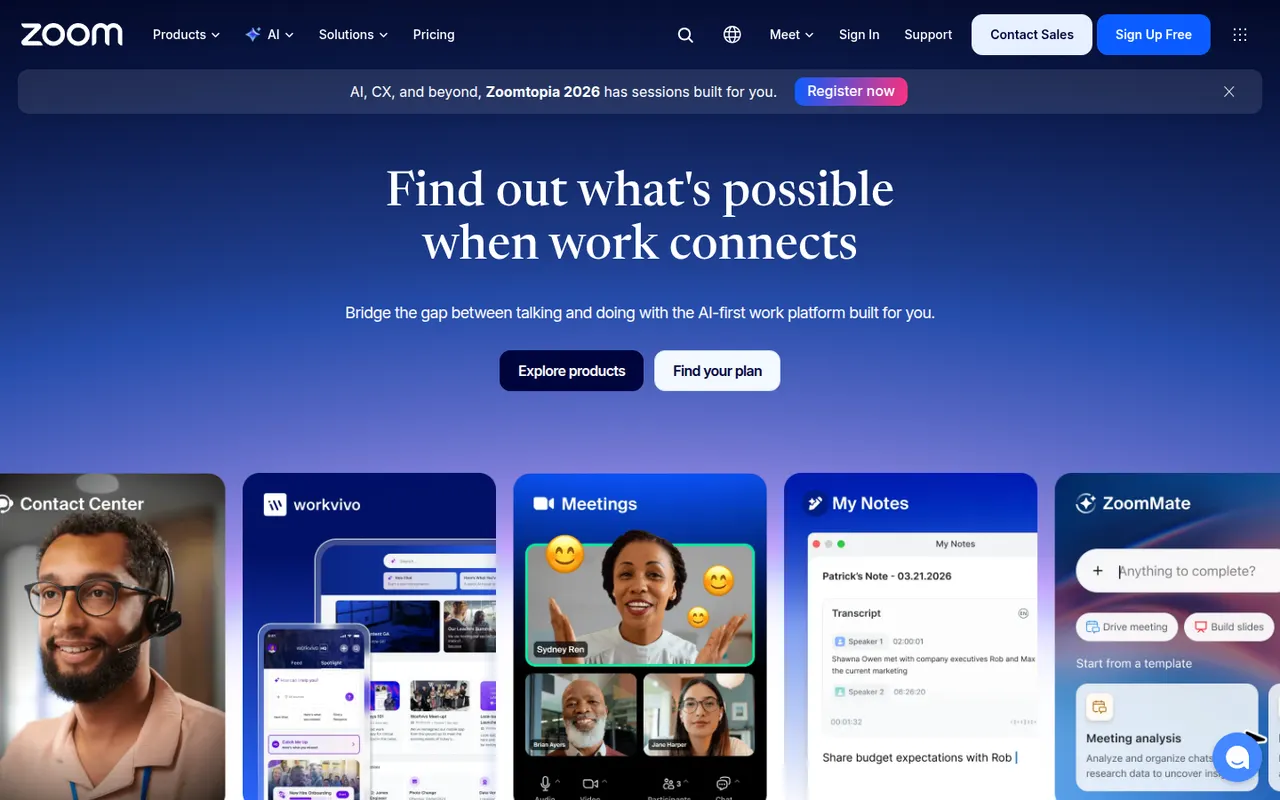
Cost / LicenseFreemiumOpen sourceCategoriesZoom is a video conferencing service used for team meetings, classes and large webinars, with screen sharing, recording, breakout rooms and virtual backgrounds. The Zoom Workplace suite adds team chat, phone, whiteboards and docs, and AI Companion can summarize meetings and draft follow-ups on paid accounts. A free plan covers short meetings with a limited number of participants.
9 Zoom alternativesPros
- Reliable video quality, even on modest connections
- Breakout rooms, webinars and recording cover most meeting needs
- Widely known, so guests rarely need help joining
Cons
- Free meetings are capped in length and participants
- AI Companion requires a paid account
- Has faced privacy and security criticism in the past
Cost / LicenseFreemiumProprietaryCategoriesWebex is Cisco's collaboration suite covering video meetings, team messaging, webinars and cloud calling, built with large enterprises and their security requirements in mind. Meetings can be end-to-end encrypted, and an AI Assistant provides summaries, noise removal and real-time translation. Webex also integrates with Cisco's meeting room hardware, and a free plan is available for basic meetings.
8 Webex alternativesPros
- Enterprise-grade security with end-to-end encrypted meetings
- AI Assistant provides summaries and real-time translation
- Integrates with Cisco meeting room hardware
Cons
- Interface can feel complex compared with simpler meeting apps
- Free plan is limited to basic meetings
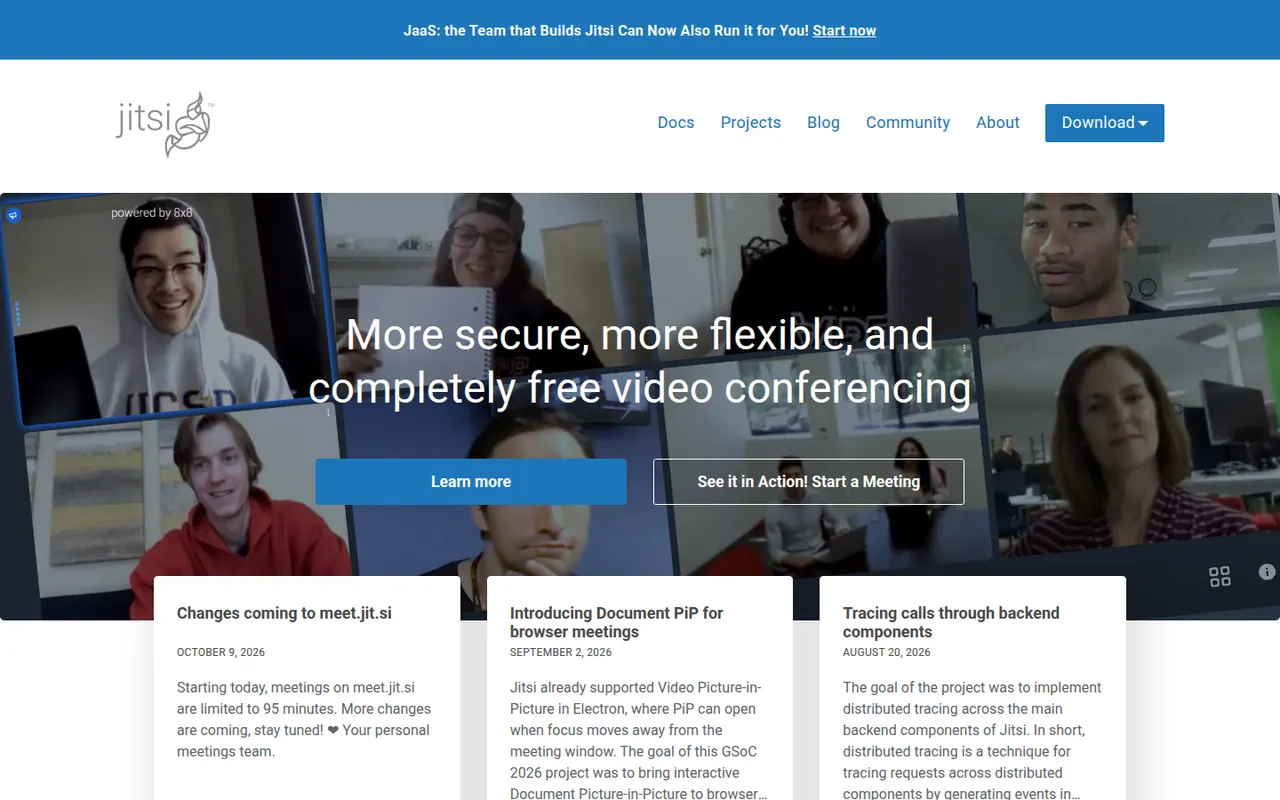
Cost / LicenseFreemiumProprietaryCategoriesJitsi Meet is an open-source video conferencing app that runs in the browser, with mobile and desktop apps as well. Anyone can host meetings for free on the public meet.jit.si service or deploy their own server for full control. It includes screen sharing, chat, breakout rooms, background blur, live streaming to YouTube and optional end-to-end encryption. The project is maintained by 8x8.
9 Jitsi Meet alternativesPros
- Free meetings on meet.jit.si, with guests joining from the browser
- Open source and self-hostable for full control
- Optional end-to-end encryption and live streaming to YouTube
Cons
- Call quality can degrade with many participants
- Fewer admin and scheduling features than commercial suites
- Self-hosting at scale needs tuning and plenty of bandwidth
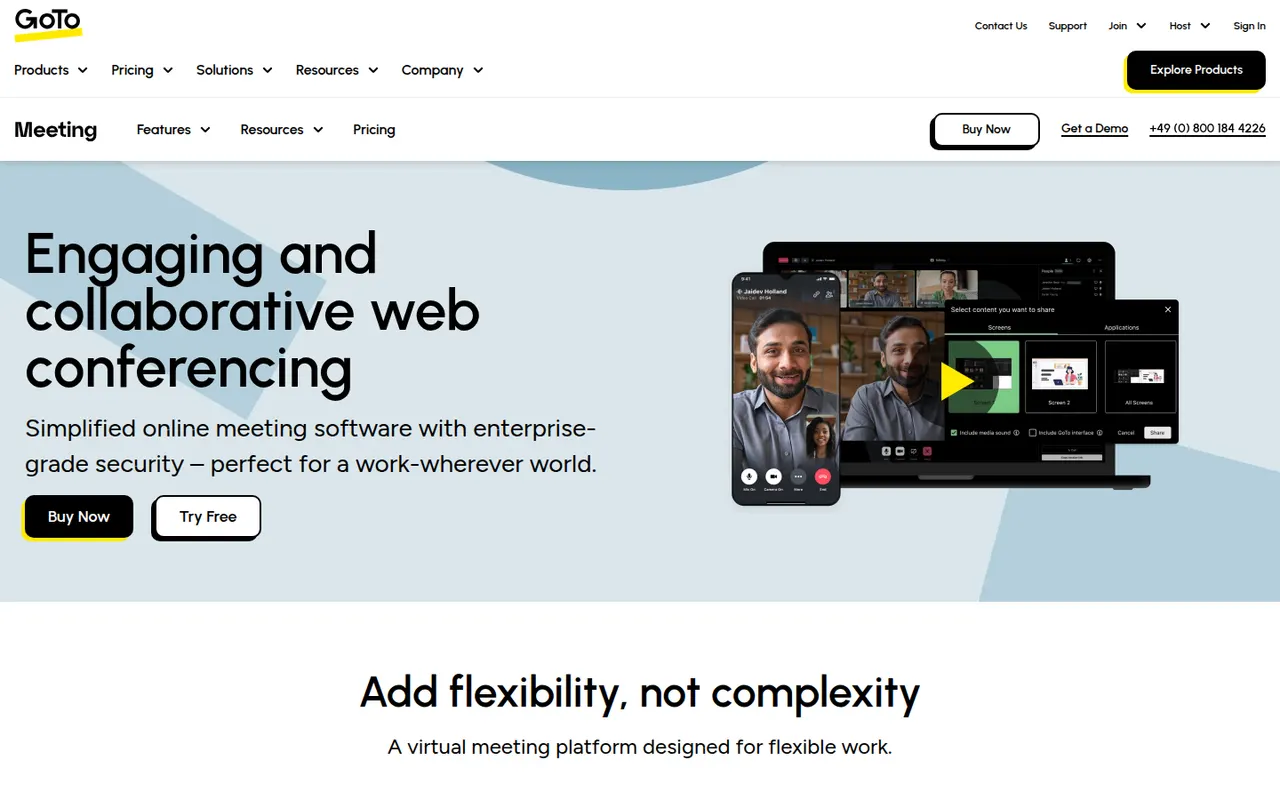
Cost / LicenseFreeOpen sourceCategoriesGoTo Meeting is a video conferencing service from GoTo, the company formerly known as LogMeIn. It covers business meetings with screen sharing, recording, drawing tools, breakout rooms and calendar integrations, and can be joined from a browser or from desktop and mobile apps. It fits companies already using other GoTo products, such as GoTo Connect for business phone or GoTo Webinar.
8 GoTo Meeting alternativesPros
- Dependable business meetings with drawing tools and recording
- Join from a browser or from desktop and mobile apps
- Fits well alongside GoTo Connect and GoTo Webinar
Cons
- Interface feels dated next to newer meeting apps
- Less widely used than Zoom or Teams, so guests may be unfamiliar
Cost / LicenseFree trialProprietaryCategoriesMicrosoft Outlook is an email and calendar app available on Windows, Mac, mobile and the web, used with Outlook.com, Exchange and Microsoft 365 accounts as well as Gmail and other IMAP services. It combines mail with calendars, contacts and tasks, supports shared mailboxes and scheduled sending, and integrates with Teams for meetings. Copilot can draft replies and summarize threads on eligible plans.
12 Microsoft Outlook alternativesPros
- Email, calendar, contacts and tasks in one app
- Shared mailboxes and Teams integration for businesses
- Available on Windows, Mac, mobile and the web
Cons
- The move from classic to new Outlook on Windows has been disruptive
- Free Outlook.com accounts show ads
- Copilot features require an eligible paid plan
Cost / LicenseFreemiumProprietaryProton Mail is an end-to-end encrypted email service based in Switzerland. Messages between Proton users are encrypted automatically, emails to others can be password-protected, and stored mail uses zero-access encryption so Proton cannot read it. Its apps are open source, paid plans add custom domains and more addresses, and it is part of a suite with Proton Calendar, Drive, VPN and Pass.
9 Proton Mail alternativesPros
- End-to-end and zero-access encryption protect stored mail
- Based in Switzerland, with open source apps
- Part of a suite with Proton Calendar, Drive, VPN and Pass
Cons
- Free plan is tight on storage and addresses
- Using IMAP clients requires Proton Mail Bridge and a paid plan
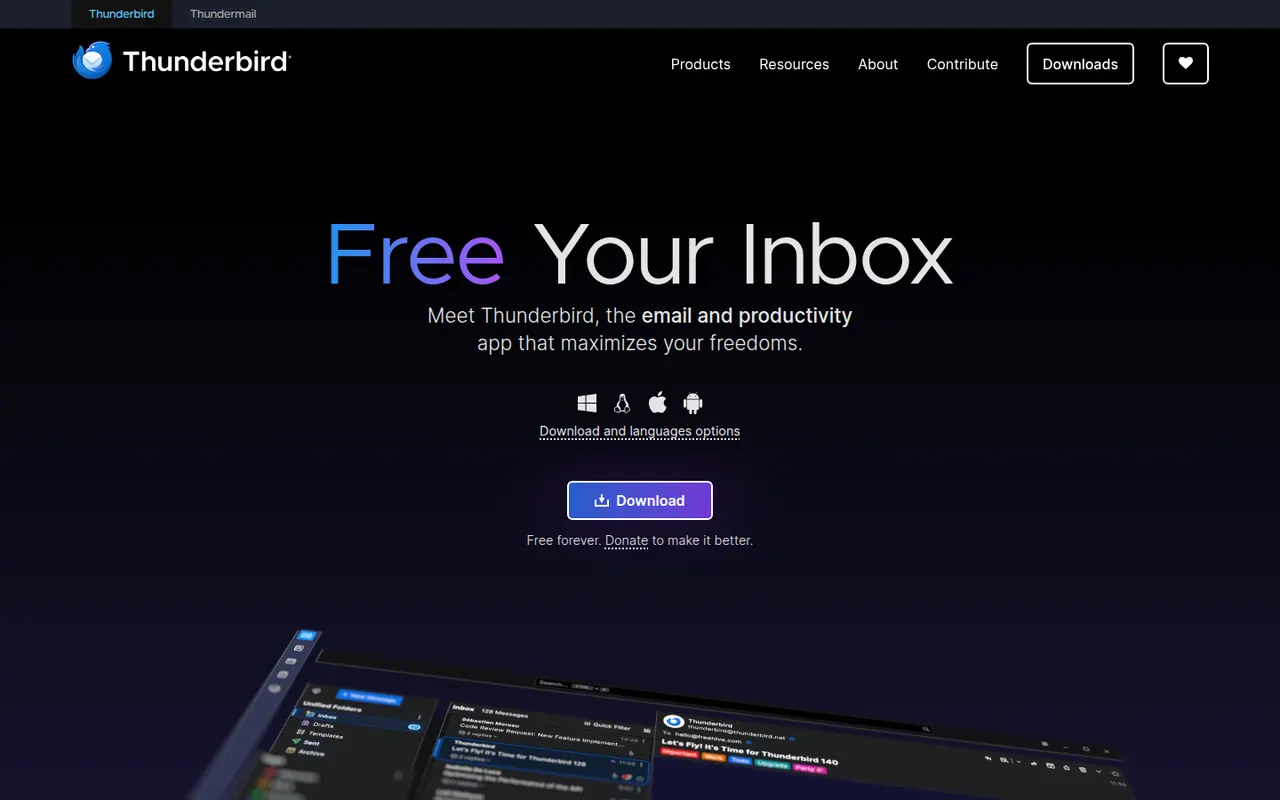
Cost / LicenseFreemiumOpen sourceCategoriesThunderbird is a free and open-source email client for Windows, macOS and Linux, with an Android app based on K-9 Mail. It manages multiple accounts in a unified inbox and includes a calendar, address book, chat and built-in OpenPGP encryption. Add-ons and themes customize it extensively, and it is developed by MZLA Technologies, a Mozilla Foundation subsidiary funded by user donations.
9 Thunderbird alternativesPros
- Free and open source, funded by donations rather than ads
- Built-in OpenPGP encryption, calendar and address book
- Highly customizable with add-ons and themes
Cons
- Interface feels busier than minimalist modern clients
- Getting the most out of it takes some setup and add-ons
Cost / LicenseFreeOpen sourceCategories