Best apps for Web
433 apps
Top Web apps ranked by the community
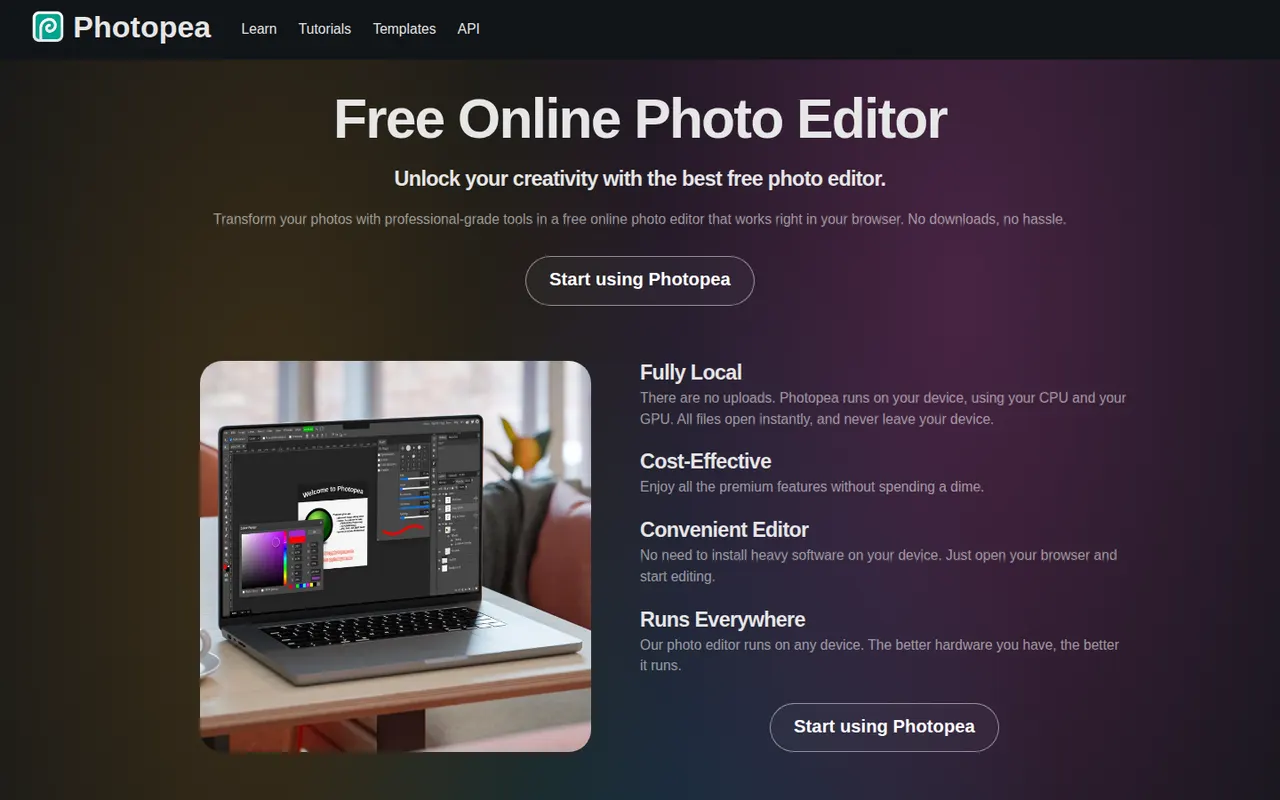
Photopea is an image editor that runs entirely in the web browser and closely follows the Photoshop interface. It opens and saves PSD files, reads formats such as XCF, Sketch, XD, PDF and RAW, and supports layers, masks, adjustment layers, vector shapes and smart objects, with files processed locally. It is free to use with ads, and an optional Premium account removes ads and adds a few extras.
8 Photopea alternativesPros
- Runs in the browser with no installation
- Opens and saves PSD files, and reads XCF, Sketch and XD
- Familiar interface that closely follows Photoshop
Cons
- The free version shows ads
- Slower than desktop apps with large, complex files
Cost / LicenseFreemiumProprietaryCategoriesPlatformsPixlr is a family of browser-based image tools, including an advanced layer-based editor, a quick editor for simple adjustments and a template-based designer for social graphics. It adds AI tools for background removal, generative fill and image generation, and is also available as mobile apps. Free use is supported by ads, with Premium plans unlocking more AI credits and tools.
8 Pixlr alternativesPros
- Browser-based editors for quick fixes or layered work
- AI background removal, generative fill and image generation
- Template-based designer for social graphics
Cons
- The free version shows ads
- AI features run on limited credits without Premium
- Less precise than desktop editors for detailed retouching
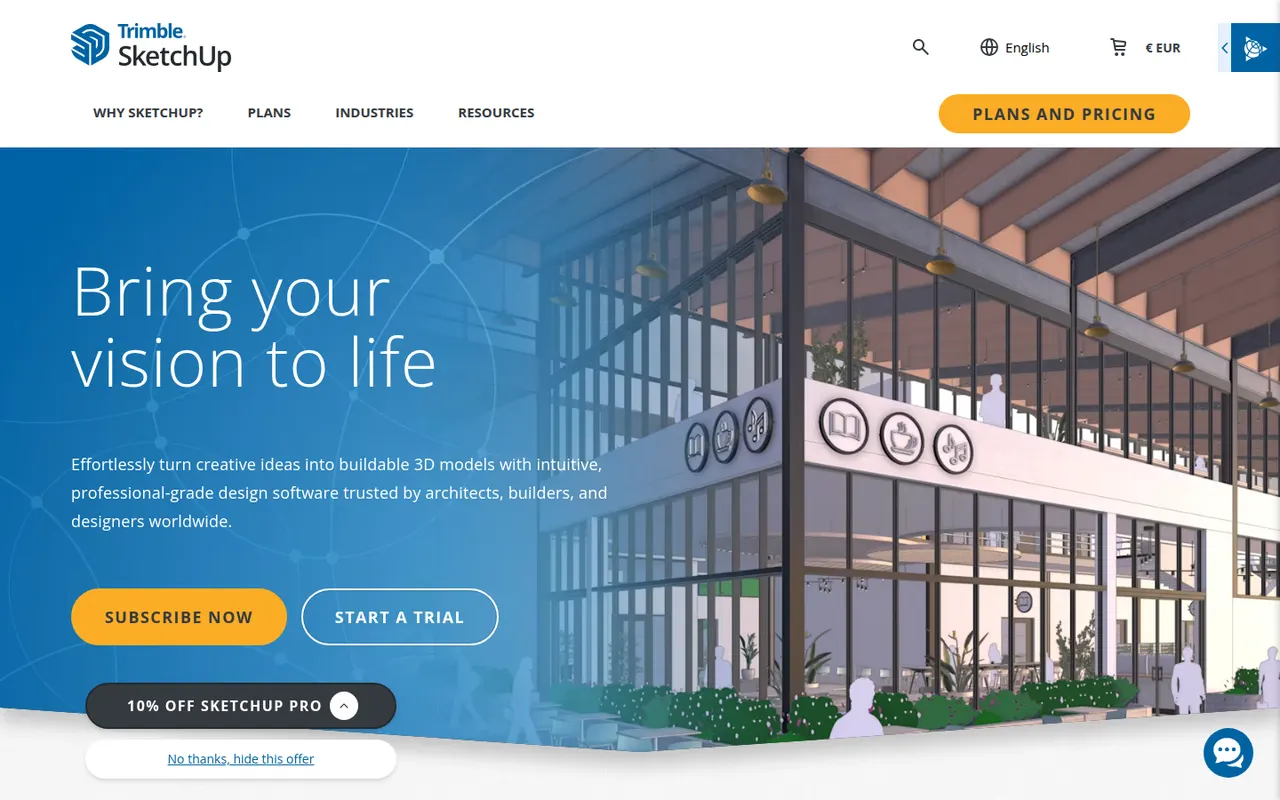
Cost / LicenseFreemiumProprietaryCategoriesSketchUp is a 3D modeling tool from Trimble built around simple push-pull geometry, used by architects, interior designers, landscape designers and woodworkers. The 3D Warehouse offers a large library of ready-made models, and the Extension Warehouse adds plugins for rendering, layout and analysis. A free web version exists for personal use; paid plans add the desktop app, LayOut for 2D drawings and the iPad app.
8 SketchUp alternativesPros
- Push-pull modeling is quick to pick up for beginners
- 3D Warehouse offers a vast library of ready-made models
- Extensions add rendering, layout and analysis tools
Cons
- The free web version is limited to personal use
- Struggles with complex curved and organic shapes
- The desktop app and LayOut require a paid subscription
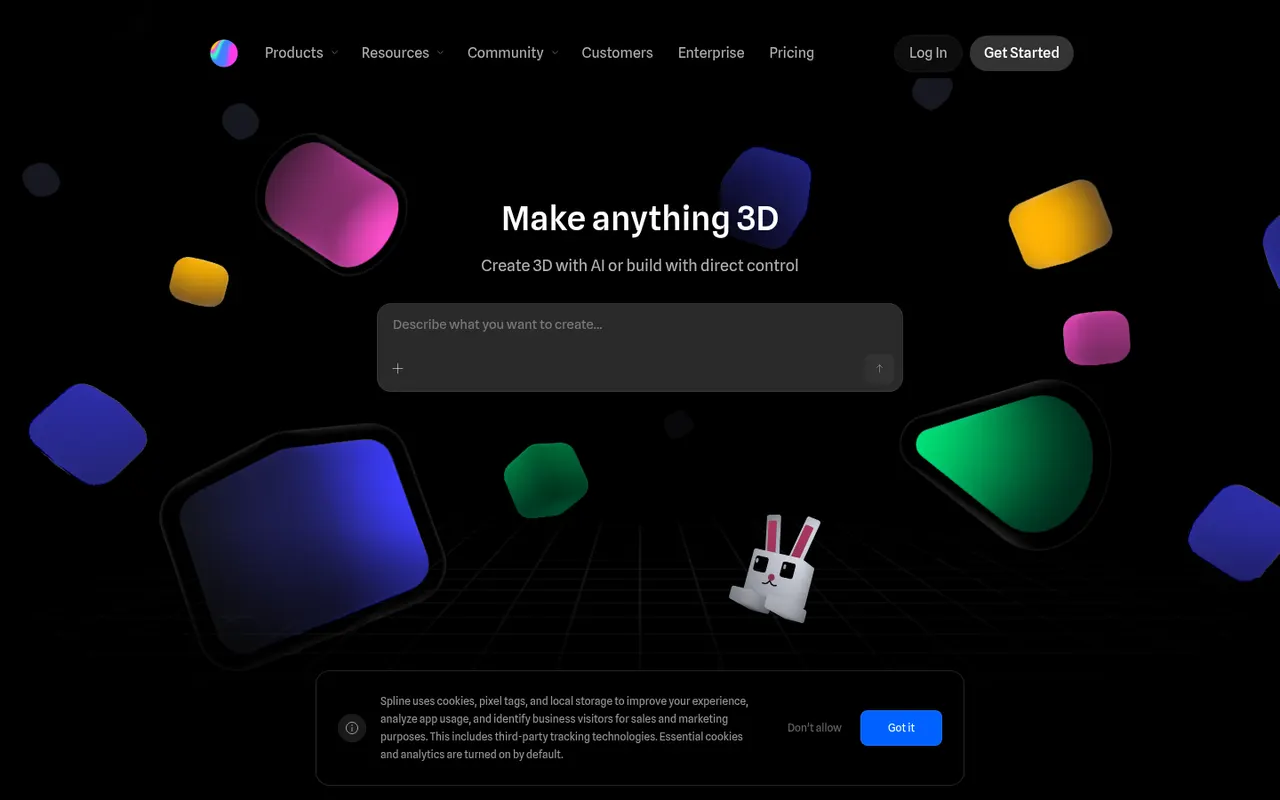
Cost / LicenseFreemiumProprietaryCategoriesSpline is a collaborative 3D design tool that runs in the browser, aimed at designers who want to create interactive 3D scenes, animations and interface elements without learning traditional 3D software. Scenes can react to hover, scroll and clicks, and can be exported as embeddable web code, images or videos, or used in Framer, Webflow and React projects. Teams edit files together in real time.
8 Spline alternativesPros
- Lets designers create 3D scenes without traditional 3D software
- Interactive states respond to hover, scroll and clicks
- Exports to web embeds, Framer, Webflow and React projects
Cons
- Complex scenes can weigh down web pages and slow loading
- Less capable than full 3D suites for detailed modeling
- Advanced exports and team features require a paid plan
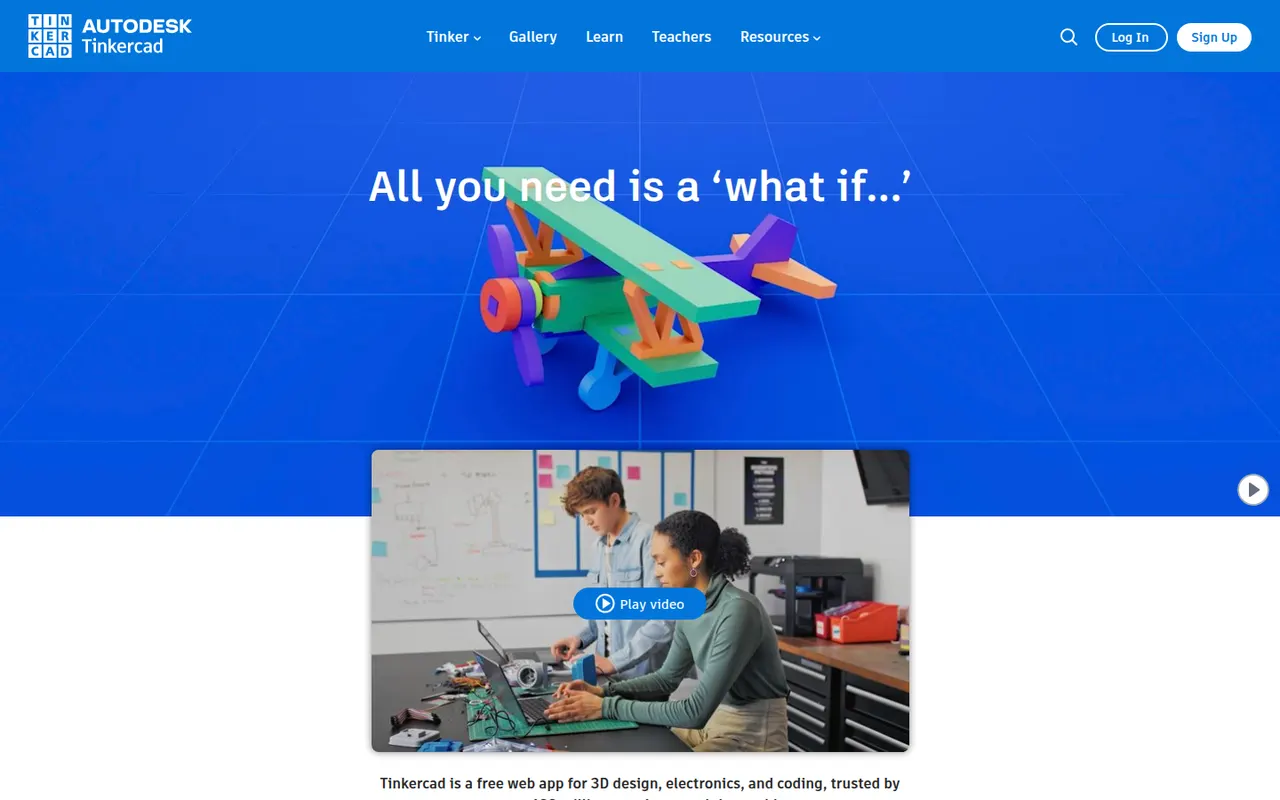
Cost / LicenseFreemiumProprietaryPlatformsTinkercad is a free web app from Autodesk that teaches 3D design by combining basic shapes, making it a common first step into CAD for students, teachers and 3D printing hobbyists. Besides 3D modeling, it includes Circuits for simulating Arduino and electronics projects and Codeblocks for creating designs with block-based code. Classroom tools let teachers manage students, and an iPad app is available.
6 Tinkercad alternativesPros
- Completely free and runs in the browser
- Shape-based modeling is ideal for first steps in 3D design
- Circuits simulates Arduino and electronics projects
Cons
- Too basic for complex or precise engineering models
- Needs an internet connection and an Autodesk account
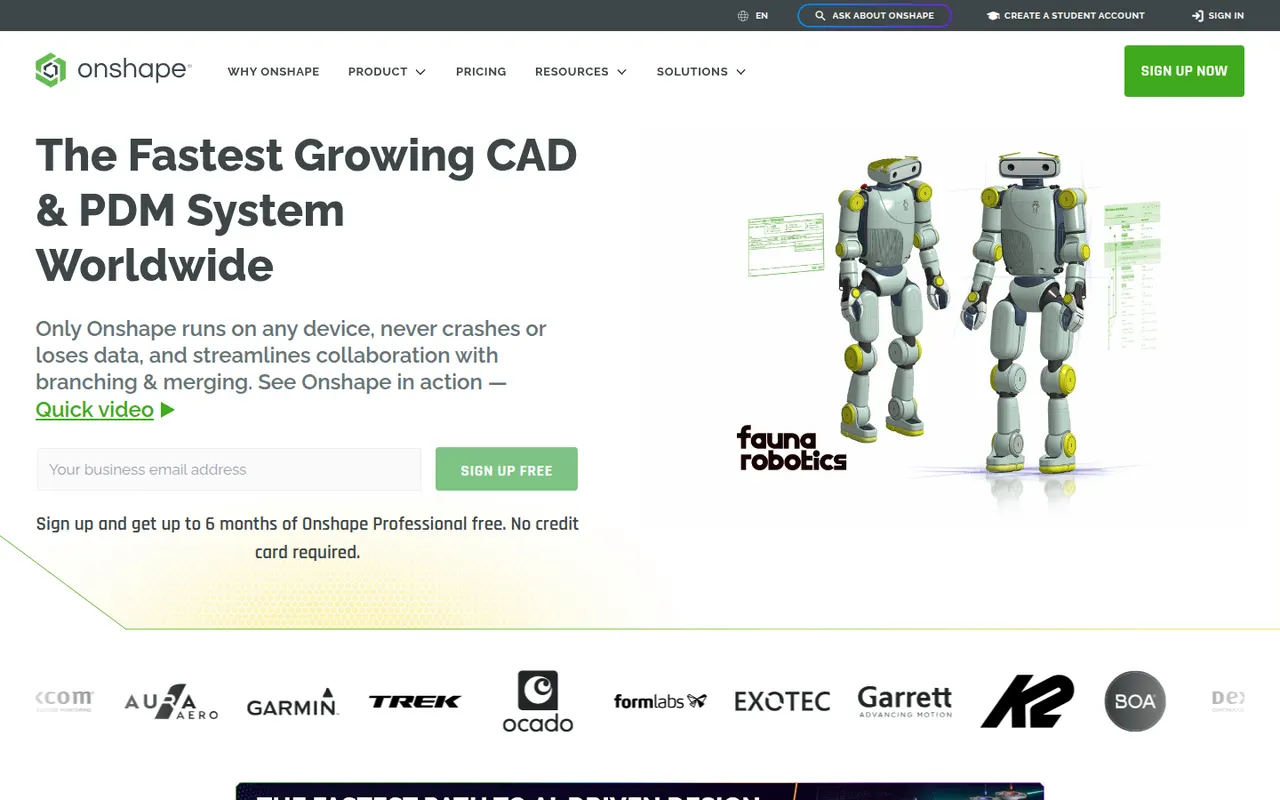
Cost / LicenseFreeProprietaryCategoriesOnshape is a professional 3D CAD system that runs entirely in the browser and on mobile devices, with no software to install and no files to manage. It combines parametric part and assembly modeling with Git-like branching, merging and version history, and lets several engineers edit the same design at once. Developed by PTC, it offers a free plan for hobbyists with public documents and paid plans for companies.
6 Onshape alternativesPros
- Runs entirely in the browser with nothing to install
- Built-in branching, merging and version history for designs
- Several engineers can edit the same model at the same time
Cons
- Documents created on the free plan are public
- Needs a reliable internet connection to work
- Professional plans weigh heavily on small companies' budgets
Cost / LicenseFreemiumProprietaryCategoriesConstruct 3 is a 2D game engine from Scirra that runs in the web browser and uses event sheets, a visual logic system, so games can be built without traditional programming, with optional JavaScript for advanced users. Games export to HTML5 and to desktop and mobile apps. It is used in schools and by hobbyists and indie developers, with a limited free edition and paid subscriptions for the full feature set.
7 Construct 3 alternativesPros
- Runs in the browser, so there is nothing to install
- Event sheets let beginners build games without writing code
- Exports to HTML5, desktop and mobile from one project
Cons
- Built for 2D games, with minimal 3D capabilities
- Free edition is limited and the full version is subscription-only
- Large projects can become hard to organize with event sheets
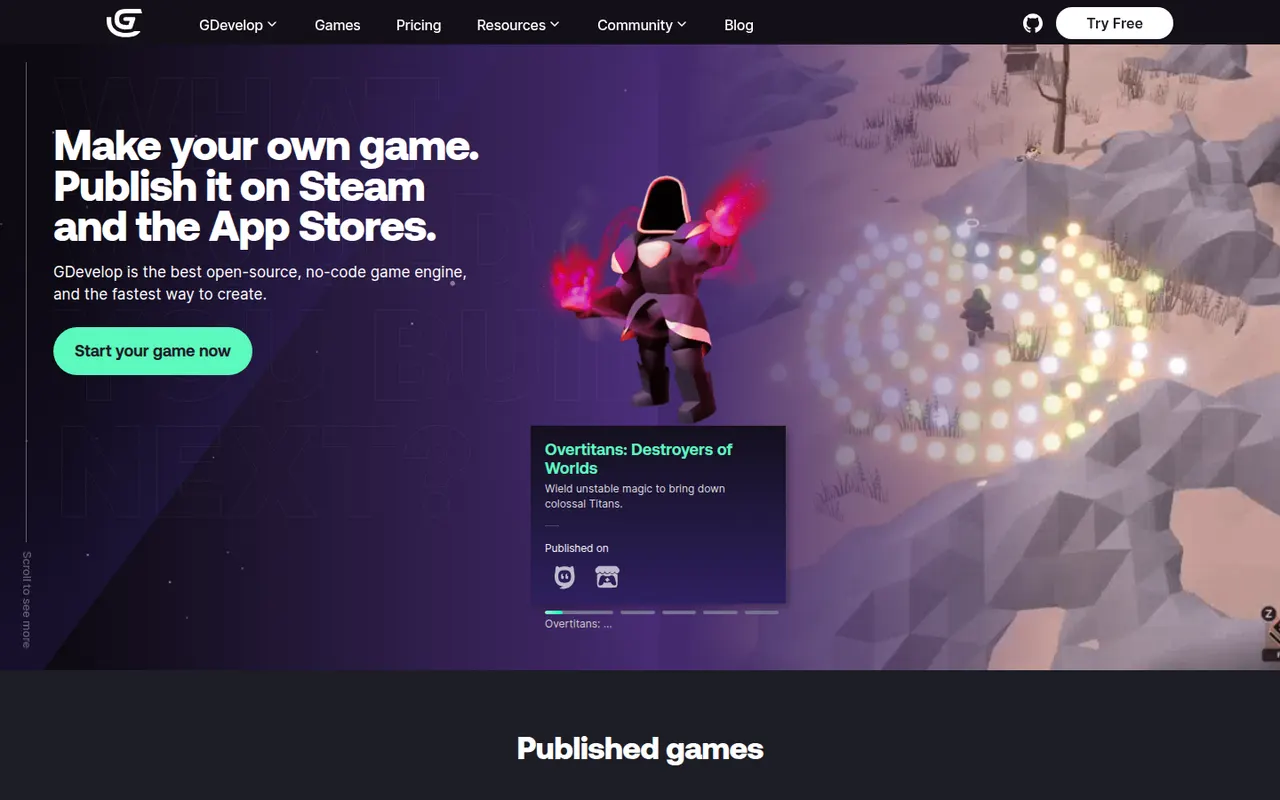
Cost / LicenseFreemiumProprietaryCategoriesPlatformsGDevelop is a free, open source game engine that lets creators build 2D and 3D games with an event-based visual logic system instead of code. It runs in the browser or as a desktop app, includes templates, an asset store and ready-made behaviors for platformers, physics and pathfinding, and exports to web, Windows, macOS, Linux, Android and iOS. Optional subscriptions add cloud builds and other services.
7 GDevelop alternativesPros
- Free and open source, usable in the browser or as a desktop app
- Event-based logic and ready-made behaviors avoid writing code
- Exports to web, desktop, Android and iOS
Cons
- 3D support is newer and less mature than its 2D tools
- Cloud builds and some services require a subscription
- Complex games can outgrow the event system
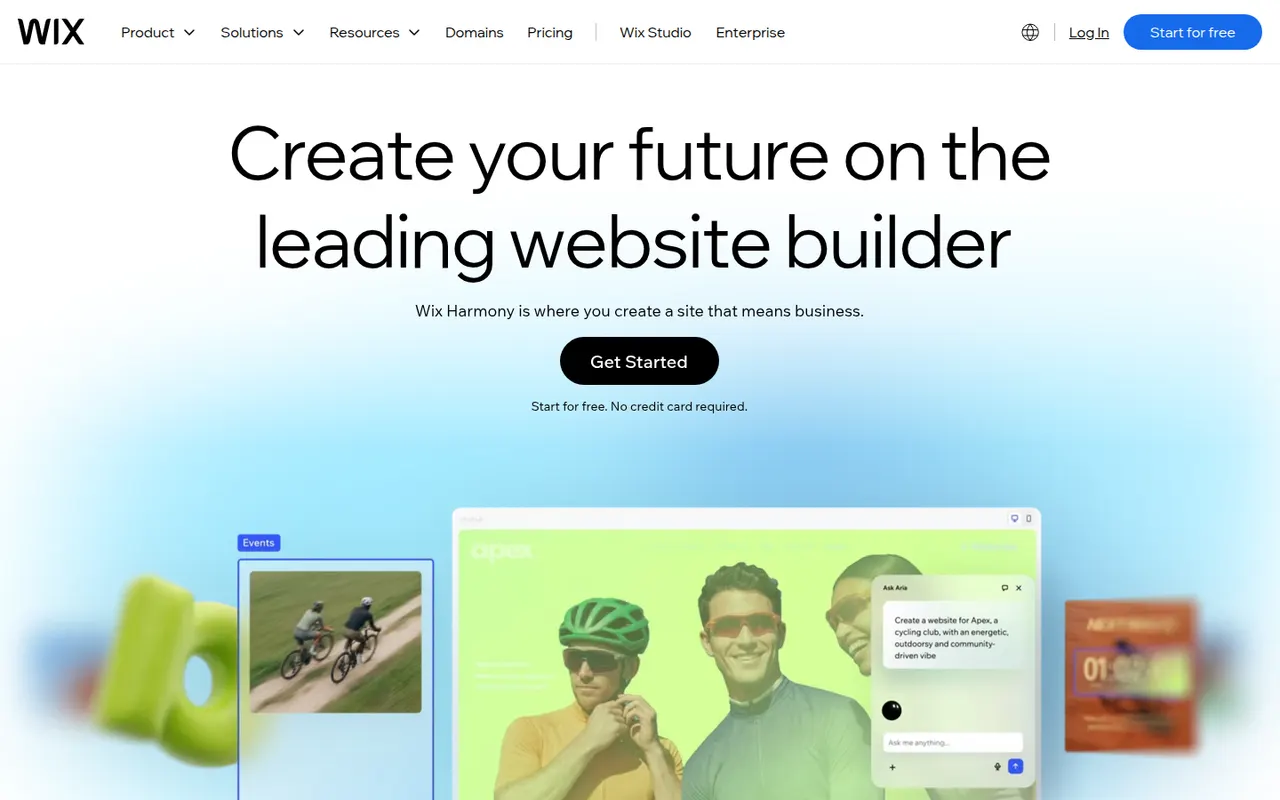
Cost / LicenseFreemiumOpen sourceCategoriesWix is a hosted website builder that lets you design pages by placing elements freely on a canvas or by starting from a template. Hosting, domains, an online store, bookings and blogging are built in, and an AI tool can draft a first version of a site from a few questions. It suits small businesses and individuals who want everything in one place.
12 Wix alternativesPros
- Free-form canvas lets you place elements anywhere
- Online store, bookings and blog built in
- AI tool drafts a first version from a few questions
Cons
- Switching templates later means rebuilding the site
- Free plan shows Wix ads and uses a Wix subdomain
- Sites cannot be exported to another host
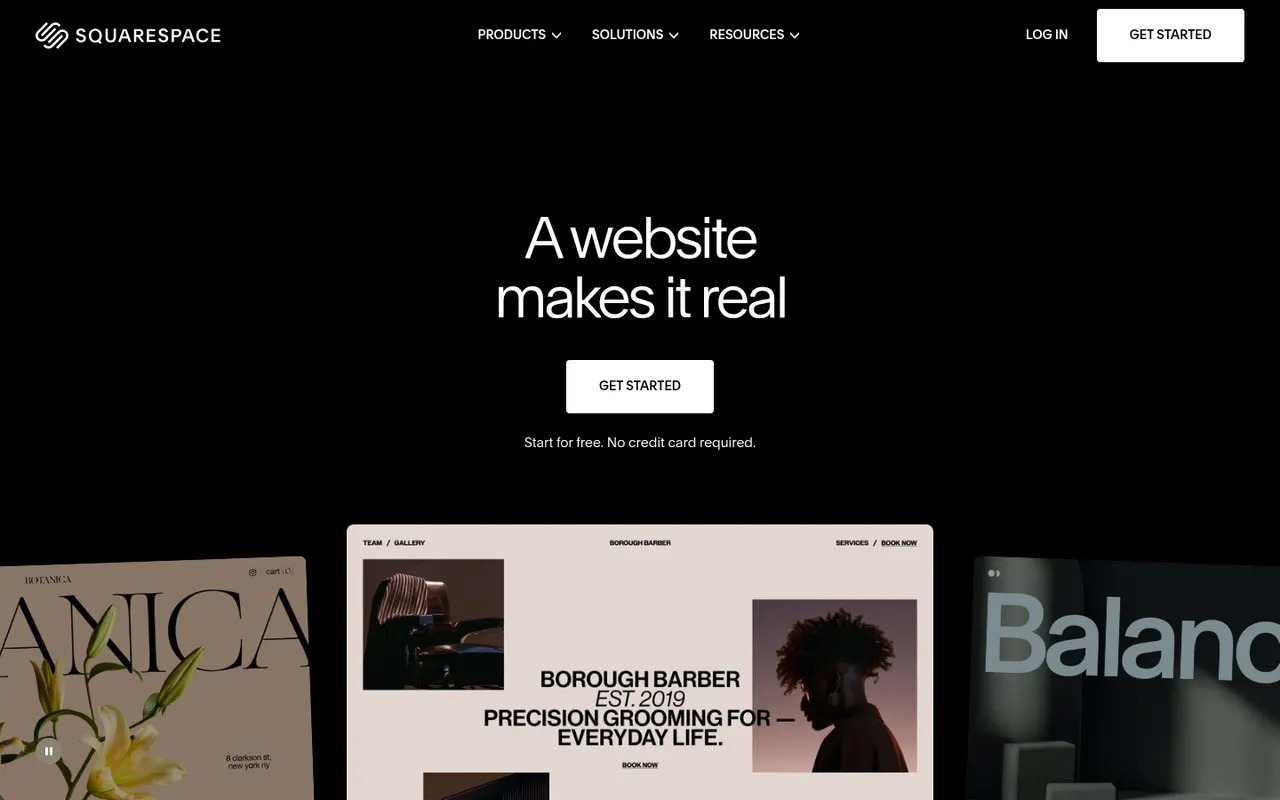
Cost / LicenseFreemiumProprietaryCategoriesSquarespace is a hosted platform for building websites, portfolios and online stores from designer templates. It bundles hosting, domains, e-commerce, email campaigns and appointment scheduling, with a section-based editor that keeps layouts consistent. It appeals to creatives and small businesses who care about design and prefer not to manage plugins.
12 Squarespace alternativesPros
- Polished designer templates with consistent layouts
- Hosting, commerce, email campaigns and scheduling in one place
- No plugins to install or keep updated
Cons
- No free plan beyond the trial
- Less layout freedom than canvas-based builders
- Fewer third-party extensions than WordPress
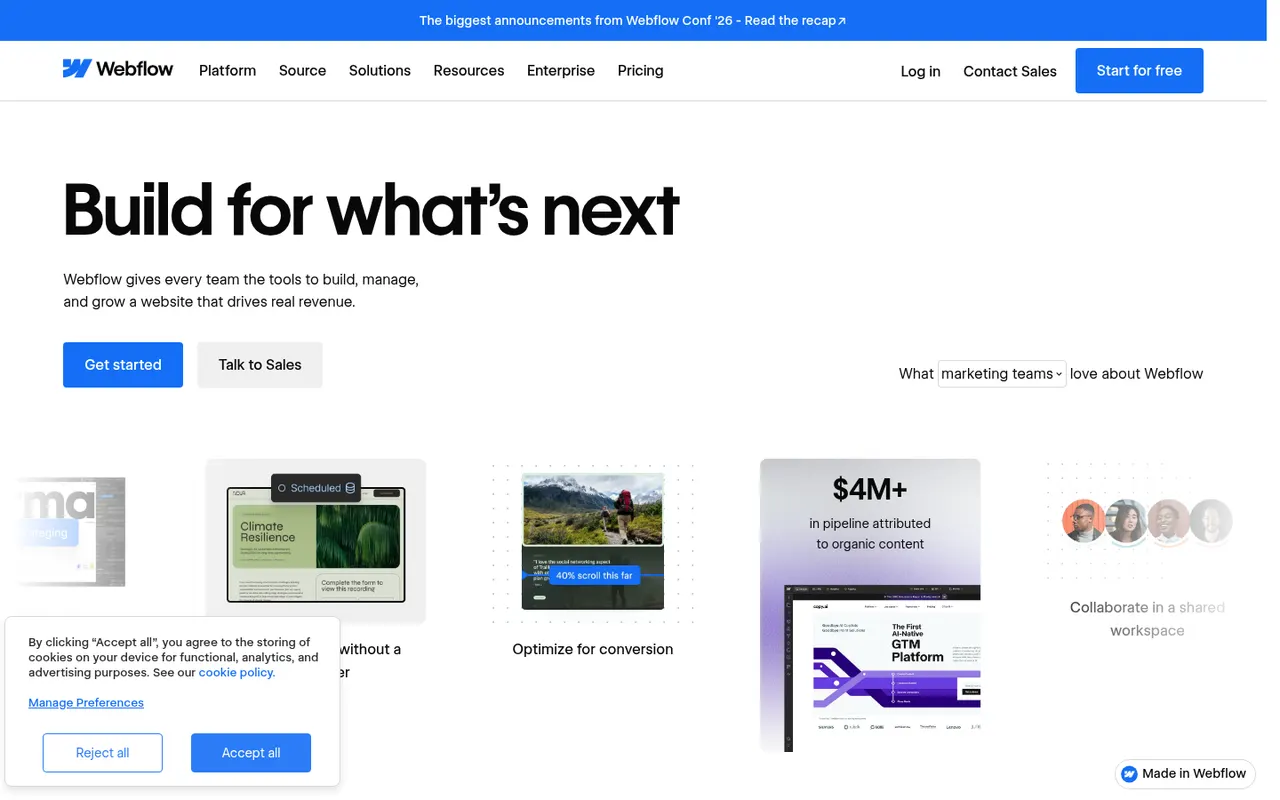
Cost / LicenseFree trialProprietaryCategoriesWebflow is a browser-based visual builder that exposes real HTML and CSS concepts such as boxes, flexbox and classes, so designers can produce custom, responsive sites without writing code. It includes a CMS for structured content, interactions and animations, hosting and localization. It is aimed at designers, agencies and marketing teams who want more control than template builders offer.
9 Webflow alternativesPros
- Visual control over real HTML and CSS concepts
- Flexible CMS for structured content
- Interactions and animations without writing code
Cons
- Steep learning curve for non-designers
- Pricing is complex, with separate site and workspace plans
Cost / LicenseFreemiumProprietaryCategoriesPlatformsFramer is a website builder that works like a design tool: you lay out pages on a canvas, add animations and effects, then publish directly with hosting included. It offers a CMS, localization, built-in analytics and AI features that can generate a starting layout from a prompt. Designers and startups use it for landing pages, portfolios and marketing sites.
12 Framer alternativesPros
- Design-tool canvas with fine control over layout and animation
- Publishing and hosting included in one step
- Built-in CMS, localization and analytics
Cons
- Paid plans get costly as sites grow
- Learning curve for people new to design tools
- Sites stay hosted on Framer, with no official code export
Cost / LicenseFreemiumProprietaryCategoriesGhost is an open source platform for independent publishers that combines a website, a newsletter and paid memberships in one product. Writers publish in a clean editor, send posts by email and charge for subscriptions through Stripe, with no revenue share taken by Ghost. It can be self-hosted for free or run on the managed Ghost(Pro) service, and is maintained by a non-profit foundation.
9 Ghost alternativesPros
- Website, newsletter and paid memberships in one product
- No revenue share taken on subscriptions
- Open source and free to self-host
Cons
- Fewer themes and integrations than WordPress
- Self-hosting needs technical skills and an email delivery service
- Ghost(Pro) gets expensive as your member list grows
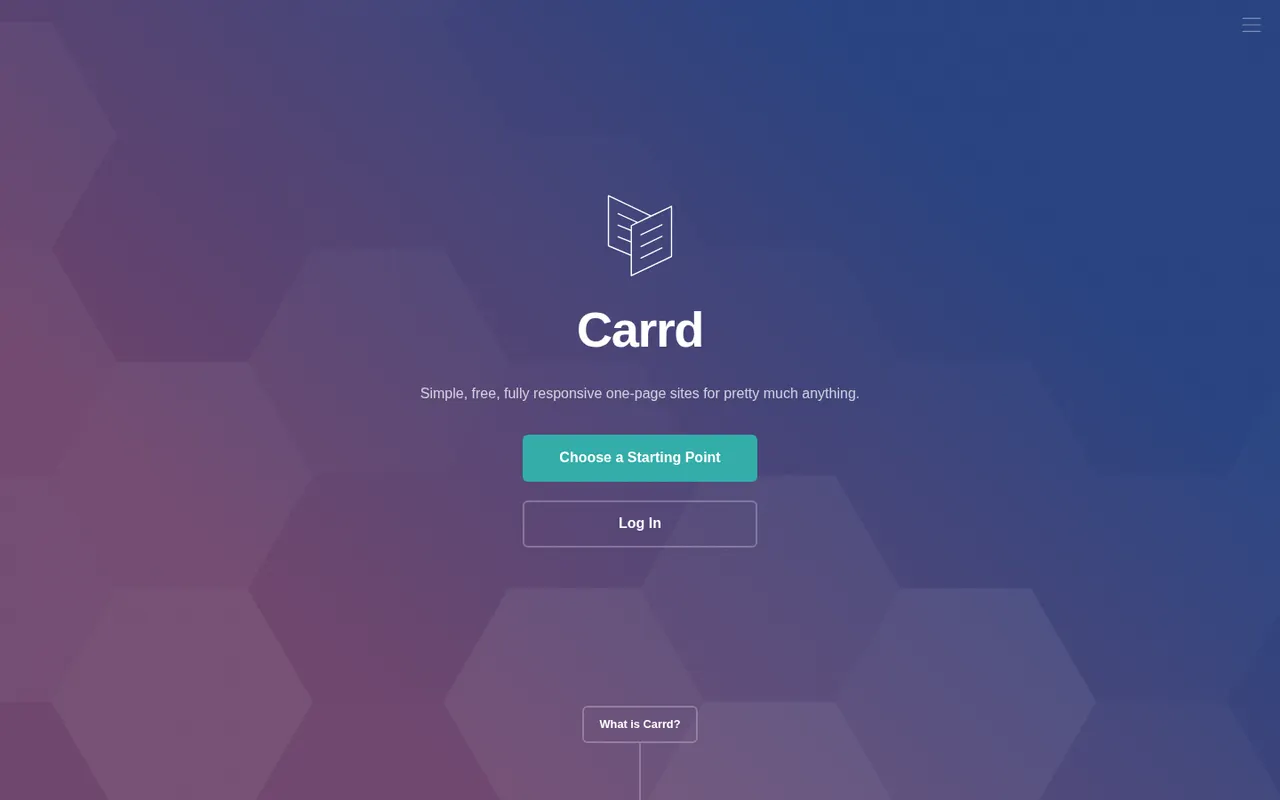
Cost / LicenseFreemiumOpen sourcePlatformsCarrd is a minimal builder focused on single-page websites such as personal profiles, link pages, portfolios and product landing pages. You start from a template, edit sections in a straightforward editor and publish to a carrd.co address, or to your own domain on a paid plan. Its deliberately narrow scope makes it very quick to learn.
9 Carrd alternativesPros
- Very quick to learn thanks to a deliberately narrow scope
- Good-looking templates for profiles and landing pages
- Low-cost paid plans unlock custom domains
Cons
- Limited to single-page sites
- No blog or full online store
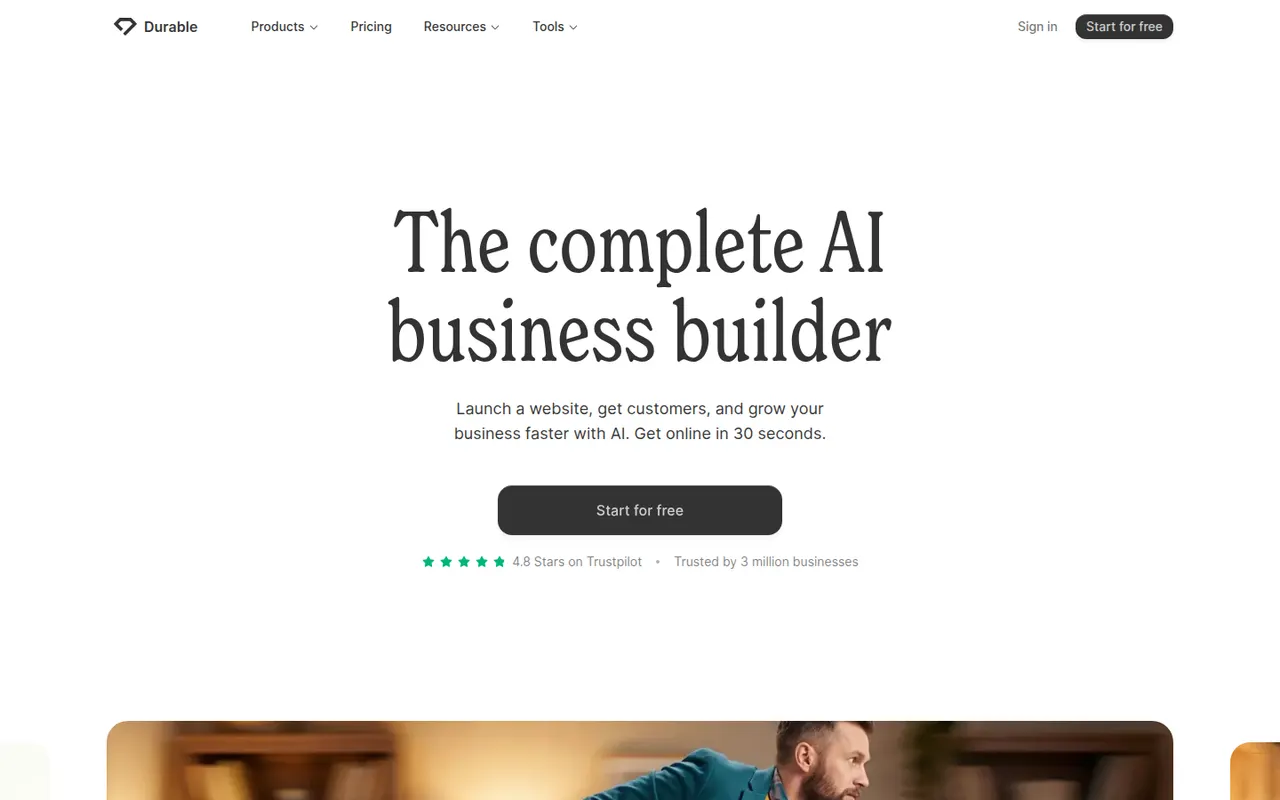
Cost / LicenseFreemiumProprietaryCategoriesPlatformsDurable is an AI website builder for small businesses and solo service providers. You describe your business and it generates a complete site with copy and images, which you then adjust in a simple editor. Alongside the website it offers tools for running a small business, such as a basic CRM, invoicing and AI-assisted marketing content.
7 Durable alternativesPros
- Generates a full site with copy and images from a short brief
- Simple editor suited to non-technical business owners
- Bundles a basic CRM, invoicing and marketing tools
Cons
- Generated sites look generic without manual editing
- Less design control than traditional website builders
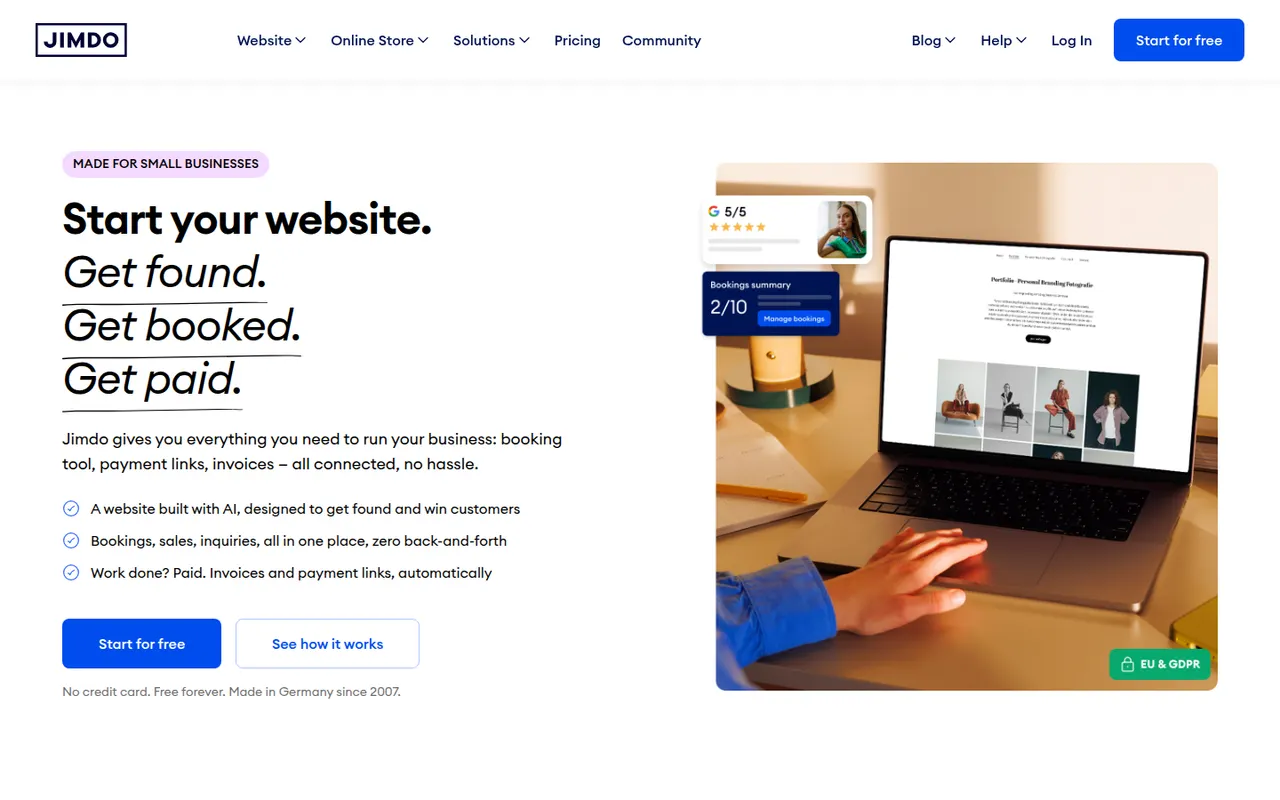
Cost / LicenseFreemiumProprietaryCategoriesPlatformsJimdo is a German website builder aimed at small businesses, freelancers and people with no web experience. A guided setup asks a few questions about your business and assembles a site you can then edit, and paid plans add a domain, an online store and basic SEO settings. Options are deliberately limited so that a site can go live and be maintained with little effort.
8 Jimdo alternativesPros
- Guided setup gets a site online quickly
- Easy to maintain for people with no web experience
- Free plan to get started
Cons
- Limited design and layout options
- Free plan shows Jimdo branding on a Jimdo subdomain
- Online store features are basic
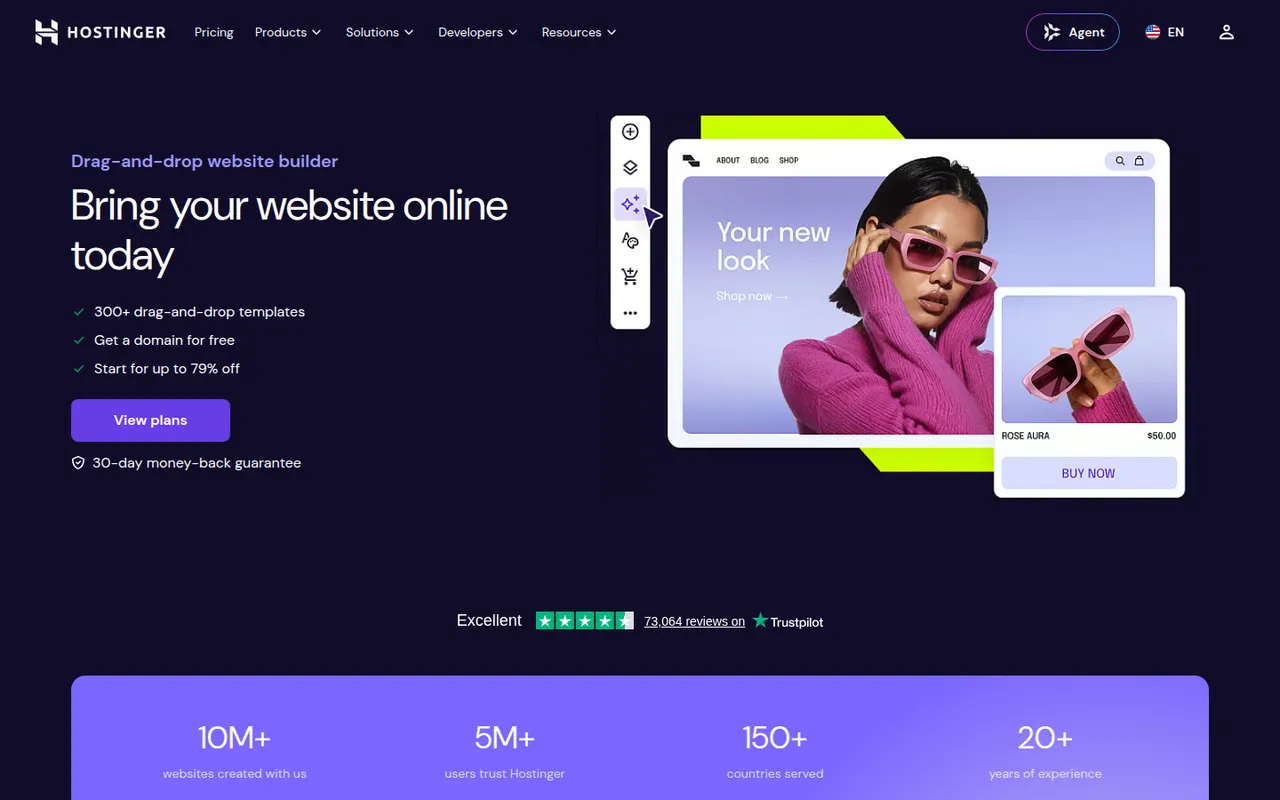
Cost / LicenseFreemiumProprietaryCategoriesPlatformsHostinger Website Builder, formerly known as Zyro, is a drag-and-drop editor included with Hostinger hosting plans. It offers templates, an AI generator that creates a first draft of a site from a description, and AI tools for writing text and producing images. Plans include hosting, a domain and basic e-commerce, making it a simple all-in-one option for small sites.
8 Hostinger Website Builder alternativesPros
- Hosting, domain and builder bundled in one plan
- AI generator drafts a first version of the site
- Drag-and-drop editor that is easy for beginners
Cons
- No free plan is available
- Less design flexibility and fewer integrations than larger builders
- Best prices require long upfront commitments
Cost / LicensePaidProprietaryCategoriesPlatformsWordPress.com is the hosted version of WordPress run by Automattic, so you get the WordPress editor, themes and blogging tools without managing a server. Free sites use a wordpress.com address, while paid plans add custom domains, plugins, e-commerce and more storage. It suits bloggers and small businesses who want WordPress without handling updates, backups and security themselves.
11 WordPress.com alternativesPros
- WordPress without managing servers, updates or backups
- Free plan to start a blog quickly
- Same WordPress editor, themes and blogging tools
Cons
- Installing plugins requires a paid plan
- Free sites show ads and use a wordpress.com address
- Less control over hosting than self-hosted WordPress
Cost / LicenseFreemiumProprietaryCategoriesShopify is a hosted commerce platform for creating an online store, selling on social networks and marketplaces, and taking payments in person with its point-of-sale app. It handles hosting, checkout, inventory and shipping, while a large app store and theme marketplace extend what a store can do. It scales from first-time sellers to large brands on the Shopify Plus tier.
12 Shopify alternativesPros
- Hosting, checkout, payments and security are handled for you
- Huge app store and theme marketplace
- Sells online, on social channels and in person with its POS app
Cons
- Monthly app subscriptions quickly raise the total cost
- Extra transaction fees apply when not using Shopify Payments
- Checkout customization is limited outside Shopify Plus
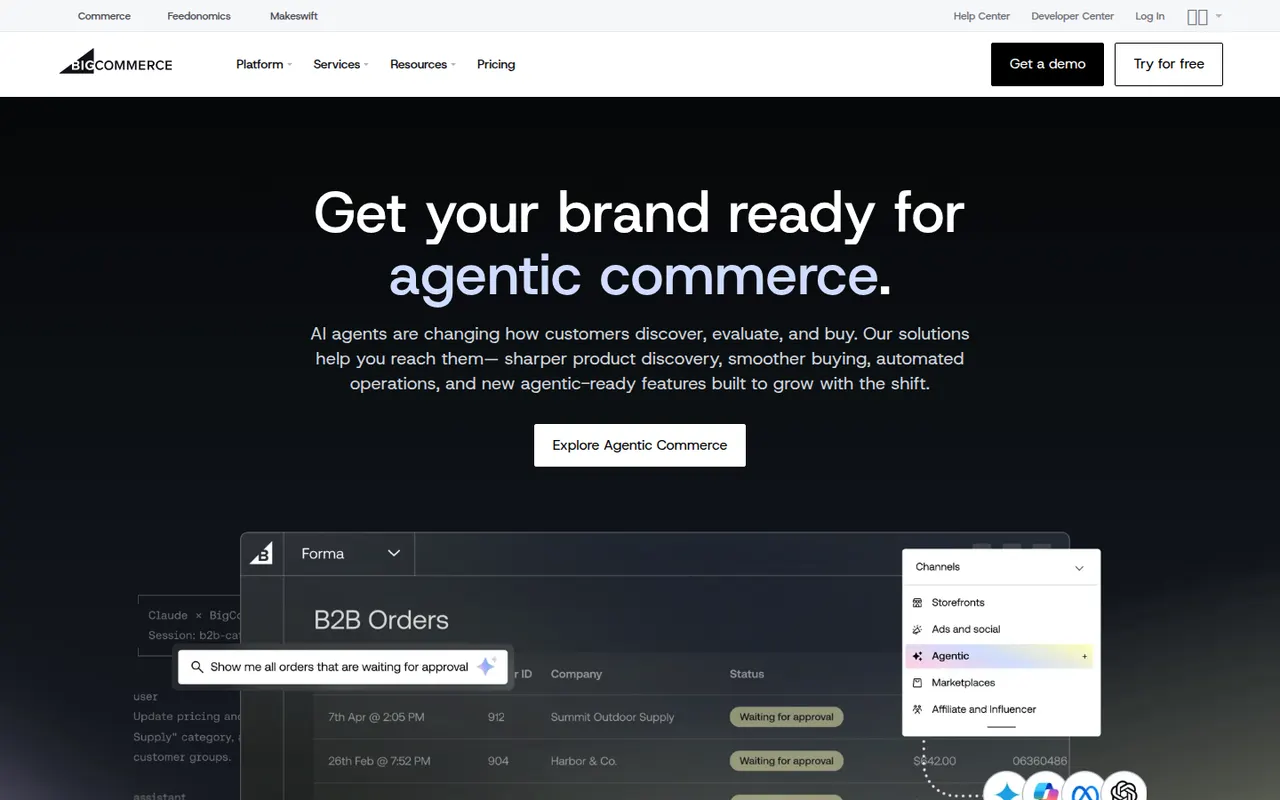
Cost / LicenseFree trialProprietaryCategoriesBigCommerce is a hosted e-commerce platform that targets mid-sized and enterprise merchants, including B2B sellers. It includes multi-storefront management, built-in B2B features, multi-currency selling and open APIs, and can serve as a headless back end behind a custom front end. Merchants pick it when they want SaaS convenience with more flexibility around integrations.
8 BigCommerce alternativesPros
- Strong built-in B2B features and multi-storefront management
- Open APIs and headless support for custom front ends
- Hosted platform with multi-currency selling out of the box
Cons
- Plan upgrades are required once annual sales pass set thresholds
- Smaller app and theme ecosystem than Shopify
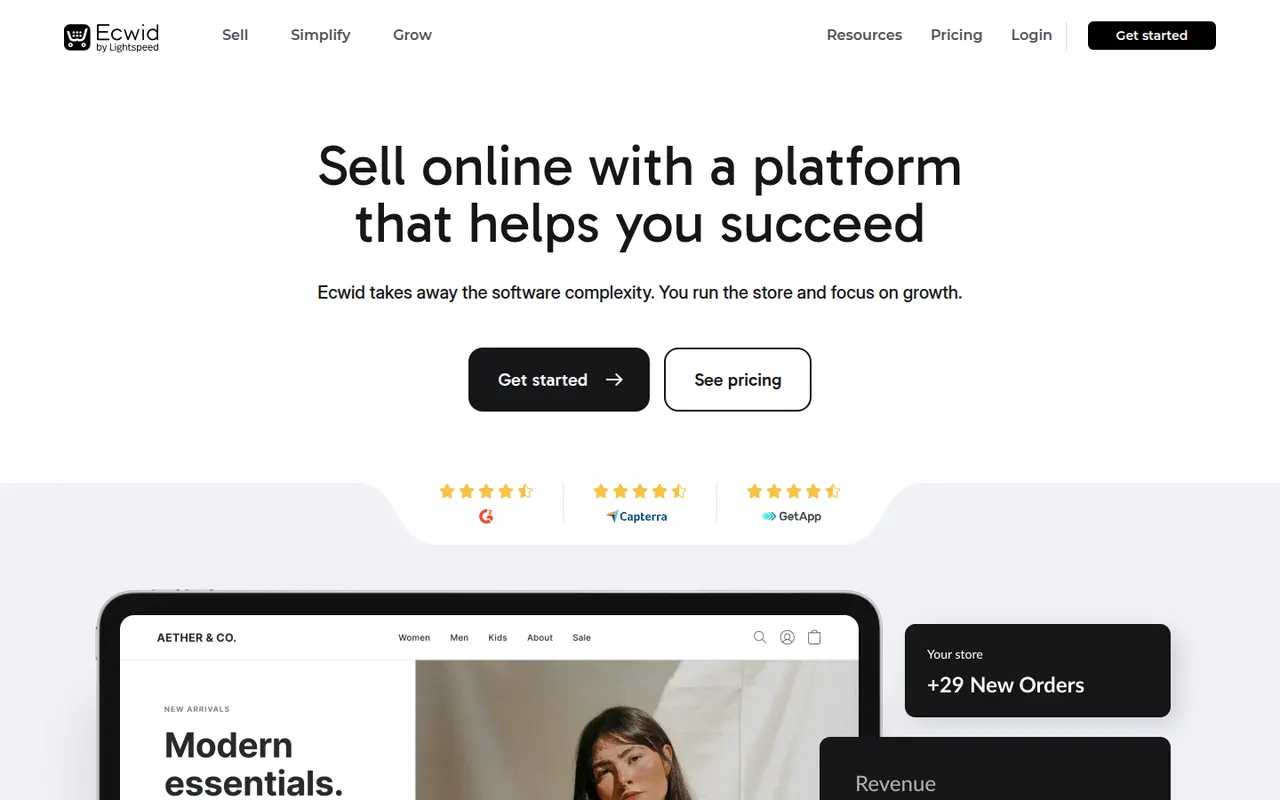
Cost / LicenseFree trialProprietaryCategoriesPlatformsEcwid, now part of Lightspeed, is an e-commerce platform built to be embedded: you manage products in one place and add the store to an existing website, a WordPress site, social networks and marketplaces. It also offers a simple standalone Instant Site and mobile apps to manage orders. It is aimed at small businesses that already have a web presence and want to start selling quickly.
9 Ecwid alternativesPros
- Embeds a store into an existing website, WordPress or social pages
- Manage products once and sell across several channels
- Quick to start, with mobile apps to manage orders
Cons
- Store design options are limited compared with full platforms
- Advanced features and larger catalogs need higher plans
- Instant Site is basic as a standalone website
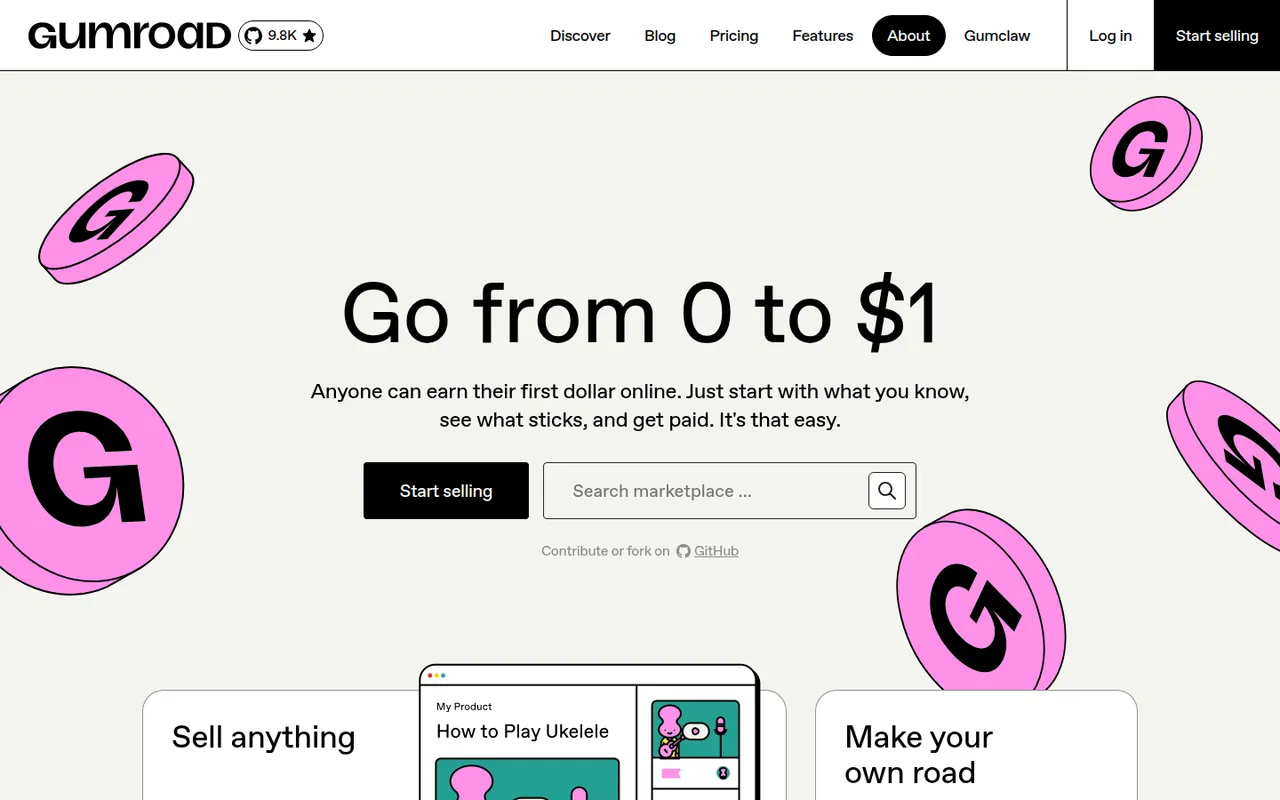
Cost / LicenseFree trialProprietaryCategoriesGumroad lets creators sell digital downloads, courses, memberships and physical items from a simple storefront or checkout links. There is no monthly subscription: Gumroad takes a percentage of each sale instead. It also includes email updates and automated workflows for customers, discount codes and affiliate features, which suits independent writers, artists and developers.
7 Gumroad alternativesPros
- No monthly fee, since you only pay a share of each sale
- Very quick to start selling with a simple checkout link
- Handles memberships, courses, discount codes and affiliates
Cons
- Per-sale fees take a noticeable cut as revenue grows
- Limited storefront customization and branding
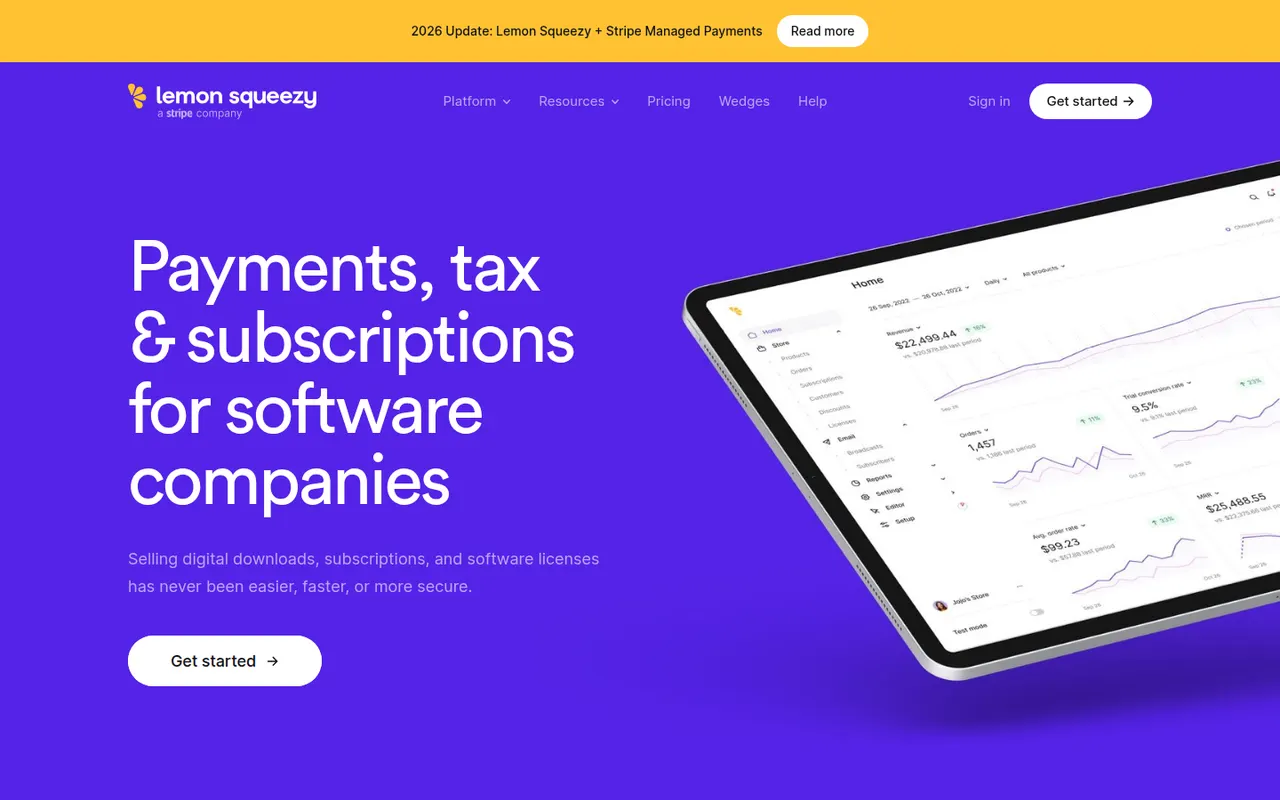
Cost / LicenseFreemiumProprietaryCategoriesPlatformsLemon Squeezy is a payments and storefront platform for software companies and creators. It acts as merchant of record, so it handles international sales tax and VAT, fraud and chargebacks on your behalf. It supports one-time products, subscriptions, software license keys, affiliate programs and email marketing. Stripe acquired it in 2024, and it charges a fee per transaction rather than a monthly plan.
6 Lemon Squeezy alternativesPros
- Acts as merchant of record and handles global sales tax and VAT for you
- Built-in license keys and subscriptions for software sellers
- No monthly plan, only fees per transaction
Cons
- Fees are higher than using a payment processor directly
- Product direction is less clear since the Stripe acquisition
- Storefront customization is fairly limited
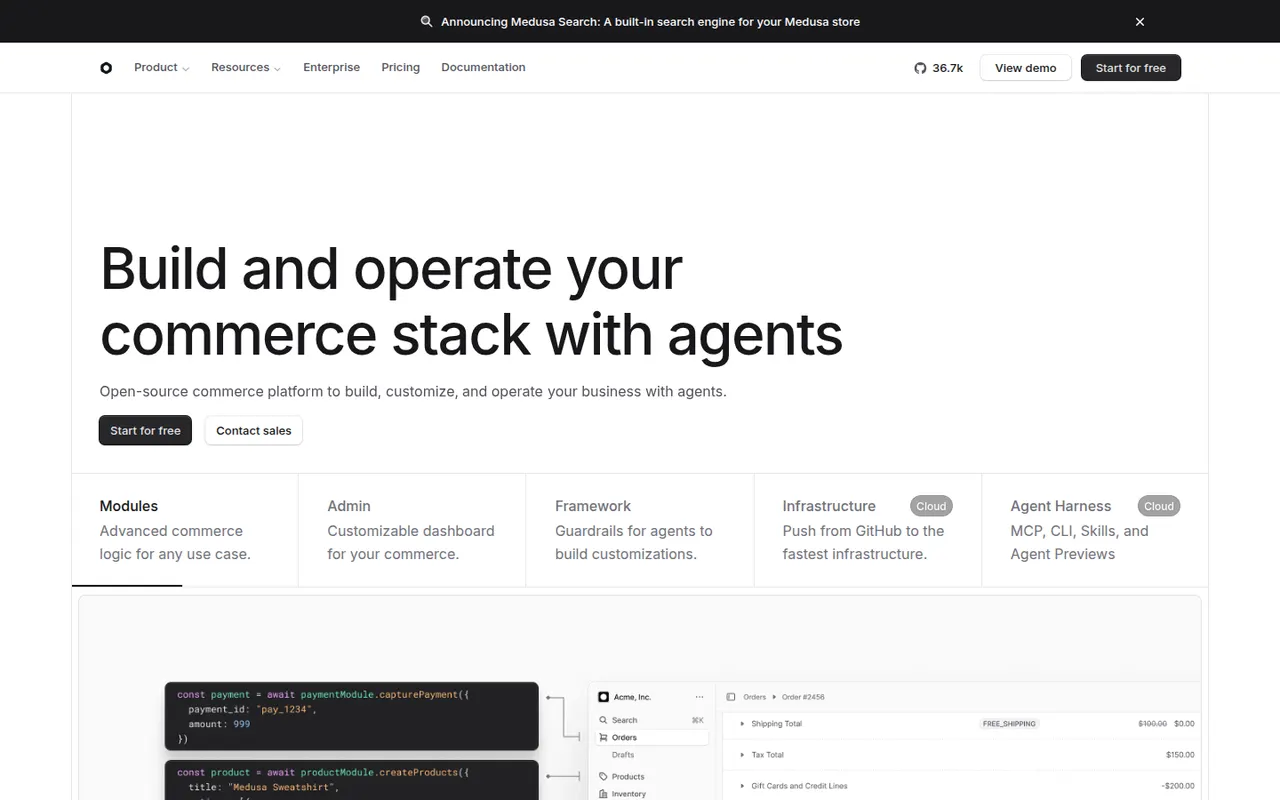
Cost / LicenseFreemiumProprietaryCategoriesPlatformsMedusa is an open source commerce platform for developers who want to build a custom store or marketplace rather than adapt a hosted product. It provides modular back-end building blocks for products, carts, orders, payments and fulfillment, an admin dashboard and APIs that any front end can consume. It can be self-hosted for free or deployed on the managed Medusa Cloud.
6 Medusa alternativesPros
- Modular back end for building custom stores and marketplaces
- Open source and free to self-host, with a managed cloud option
- Admin dashboard and APIs work with any front-end framework
Cons
- Needs developers, so it is not a ready-made store for non-technical merchants
- Smaller plugin ecosystem than Shopify or WooCommerce
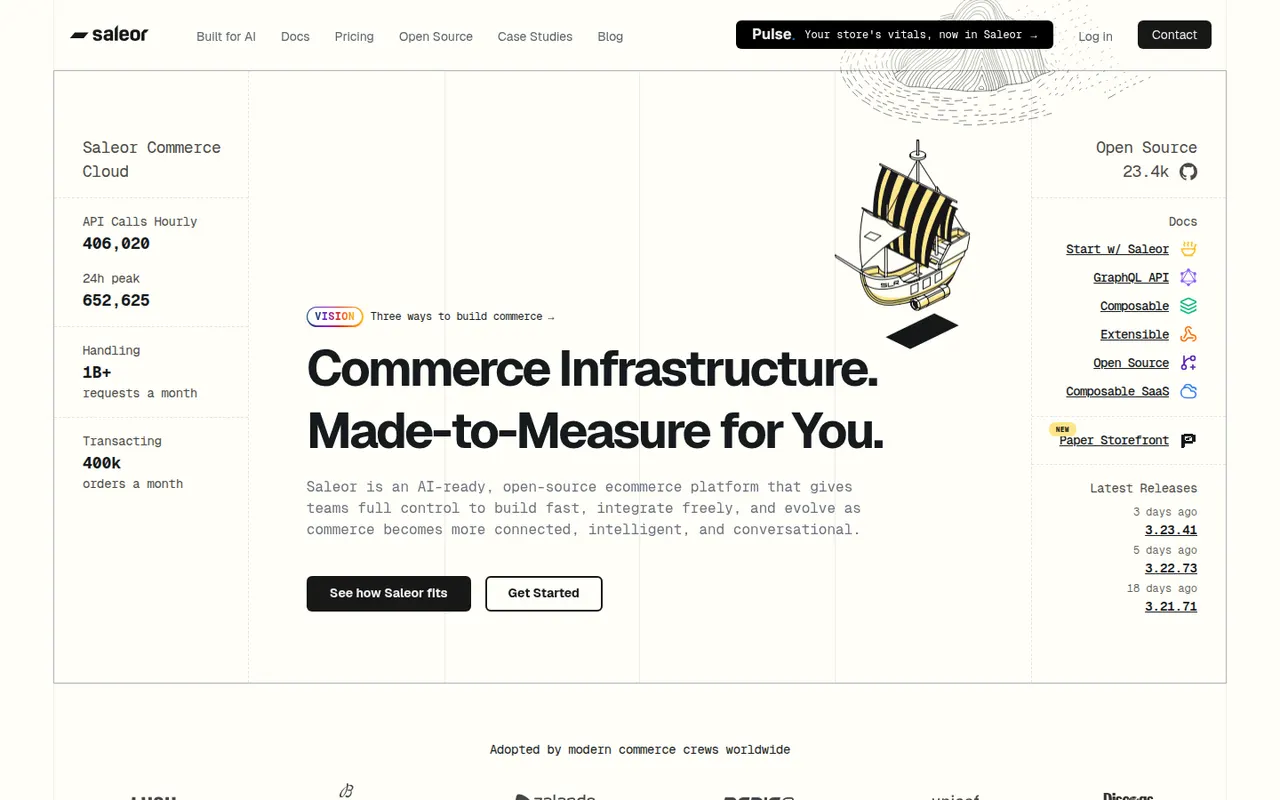
Cost / LicenseFreemiumOpen sourceCategoriesPlatformsSaleor is an open source, API-only commerce platform built with Python and Django, with everything exposed through a GraphQL API. It handles multi-channel catalogs, several currencies and warehouses, and extends through webhooks and apps, while the storefront is built separately with any framework. Teams can self-host it or use the managed Saleor Cloud.
6 Saleor alternativesPros
- GraphQL-first API built for headless storefronts
- Handles multiple channels, currencies and warehouses natively
- Open source Python stack, self-hosted or on Saleor Cloud
Cons
- The storefront must be built separately by developers
- Smaller ecosystem and community than mainstream platforms
Cost / LicenseFreemiumOpen sourceCategoriesPlatformsPayhip is an e-commerce platform for creators selling digital downloads, online courses, coaching, memberships and physical products. It provides a hosted store or embeddable buy buttons, handles EU and UK VAT on digital sales, and includes email marketing, coupons and affiliate tools. The free plan charges a fee on each sale, which paid plans reduce or remove.
7 Payhip alternativesPros
- Free plan to start selling digital products, with fees per sale
- Handles EU and UK VAT on digital sales
- Courses, coaching, memberships and coupons in one storefront
Cons
- Store design options are fairly limited
- Transaction fees on the free plan cut into margins
- Marketing tools are basic compared with dedicated email platforms
Cost / LicenseFreemiumProprietaryCategoriesPlatformsMailchimp, owned by Intuit, is an email marketing platform for designing campaigns, building automated customer journeys and organizing an audience with tags and segments. It also offers landing pages, signup forms, SMS in some countries and AI tools for content and send times. Its many integrations, including e-commerce platforms, make it easy to connect to an existing stack.
10 Mailchimp alternativesPros
- Familiar, well-documented platform with many templates
- Large integration library, including e-commerce platforms
- Free plan for getting started with a small list
Cons
- Prices rise steeply as your audience grows
- Unsubscribed contacts can still count toward billing
- Free plan is restrictive, and key features require paid tiers
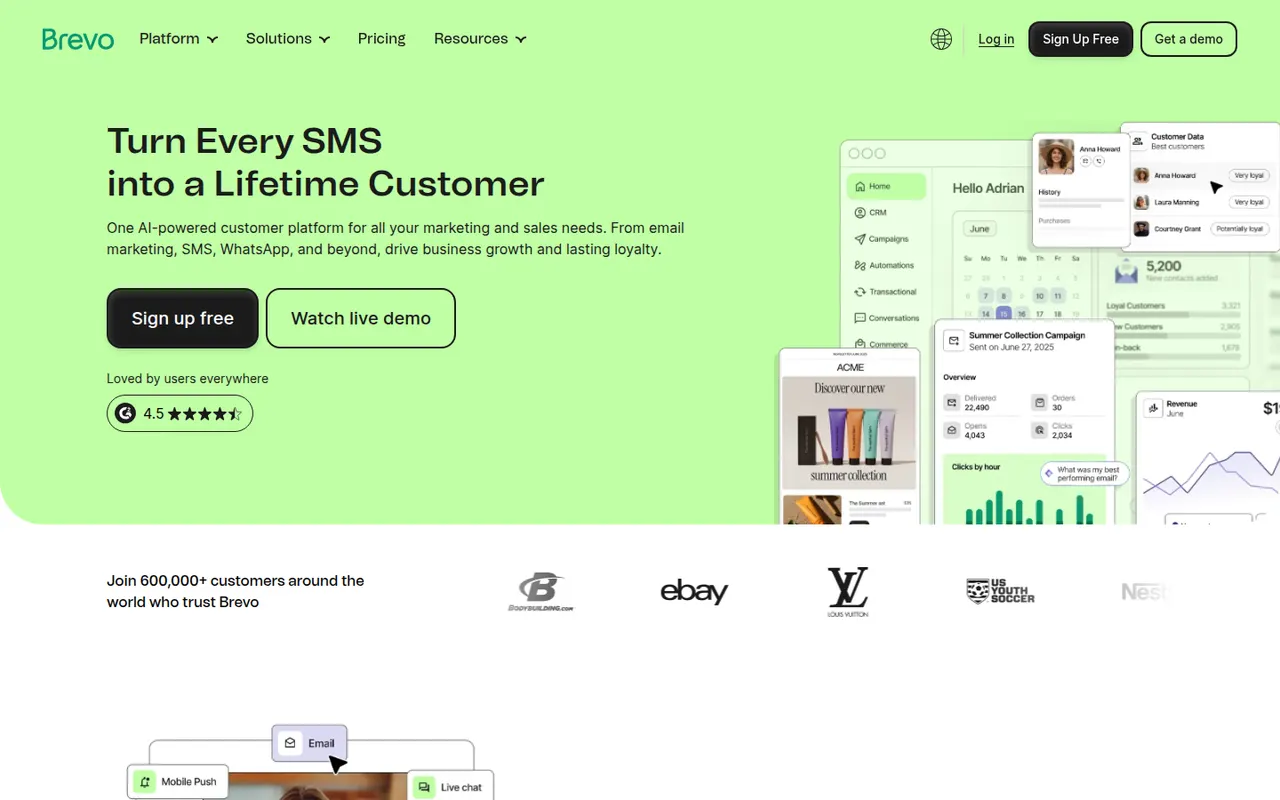
Cost / LicenseFreemiumProprietaryCategoriesBrevo, formerly Sendinblue, is a French marketing platform covering email campaigns, transactional email, SMS, WhatsApp messages and marketing automation, plus a sales CRM and live chat. Its plans are based mainly on the volume of emails sent rather than the number of contacts, which suits large lists that are mailed occasionally. Data is hosted in the EU, a plus for GDPR-conscious teams.
9 Brevo alternativesPros
- Pricing based on emails sent rather than contacts stored
- Email, SMS, WhatsApp and transactional email in one platform
- EU data hosting suits GDPR-conscious teams
Cons
- Free plan has a daily sending limit and Brevo branding
- Automation builder is less advanced than specialist tools
Cost / LicenseFreemiumProprietaryCategoriesKit, previously called ConvertKit, is an email marketing platform designed for creators such as writers, podcasters and course authors. It combines landing pages and forms, visual automations, subscriber tagging and paid newsletters, and lets you sell digital products directly to your list. A recommendations network helps creators grow by promoting each other's newsletters.
12 Kit alternativesPros
- Tag-based subscriber management suited to creators
- Sell digital products and paid newsletters to your list
- Recommendations network helps newsletters grow
Cons
- Email design options are deliberately simple
- Gets expensive as the subscriber count grows
- Advanced automations are reserved for paid plans
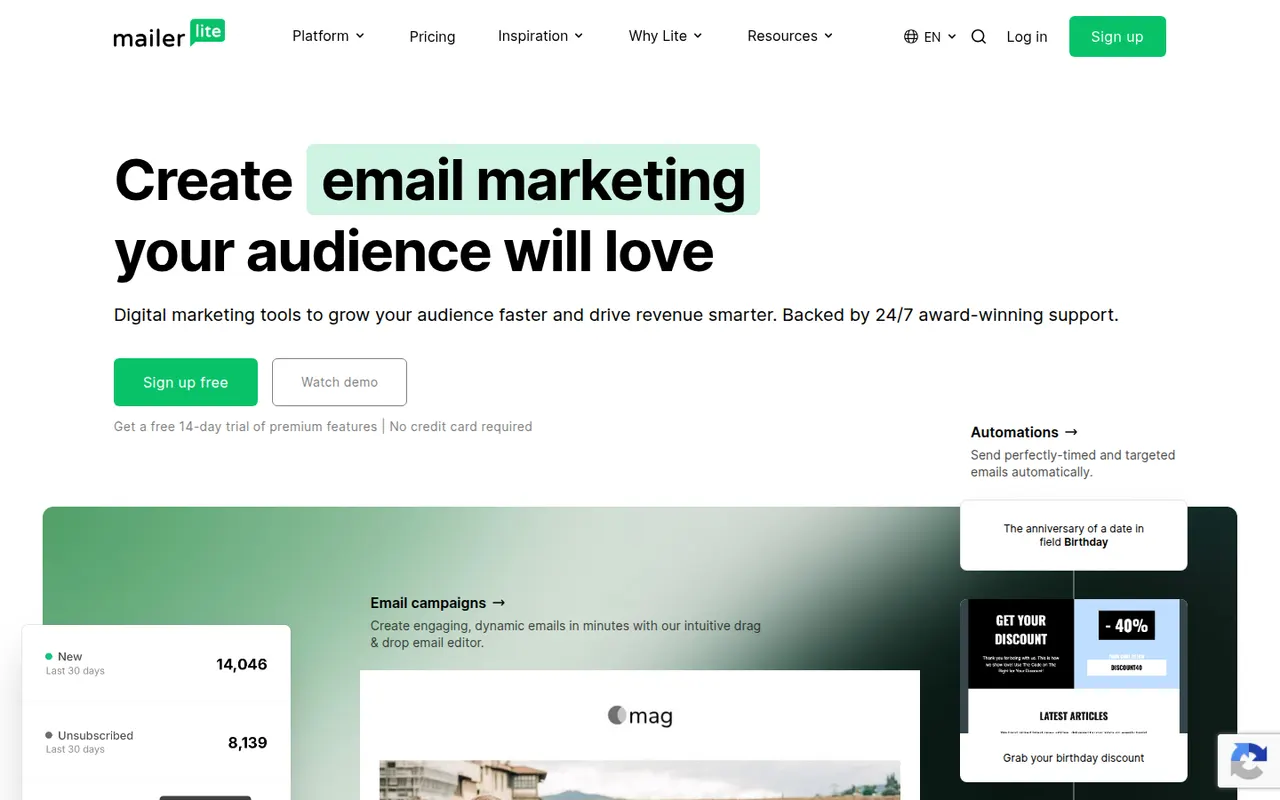
Cost / LicenseFreemiumProprietaryCategoriesMailerLite is an email marketing tool with an uncluttered drag-and-drop editor and an approachable automation builder. Besides campaigns, it can create landing pages, signup forms and simple websites, sell digital products and paid newsletter subscriptions, and run A/B tests. Small businesses and creators often choose it as a lighter alternative to larger marketing suites.
11 MailerLite alternativesPros
- Clean drag-and-drop editor that is easy to learn
- Landing pages, websites and paid newsletters included
- Approachable automation builder for small businesses
Cons
- Account approval process can delay your first campaigns
- Fewer advanced automation and reporting options than larger suites
Cost / LicenseFreemiumProprietaryCategoriesPlatforms