Apps with GDPR compliant
21 apps
Top GDPR compliant apps ranked by the community
Le Chat is the AI assistant from Mistral AI, a French company that develops its own language models. It offers web search with cited sources, document and image analysis, image generation and agents you can configure for recurring tasks. It is available on the web and mobile, with a free tier, a Pro plan and team options for organizations that prefer a European provider.
10 Le Chat (Mistral AI) alternativesPros
- European provider, appealing to GDPR-conscious teams
- Web search answers come with cited sources
- Configurable agents for recurring tasks
Cons
- Smaller ecosystem of integrations than the largest assistants
- Advanced features and higher limits require the Pro plan
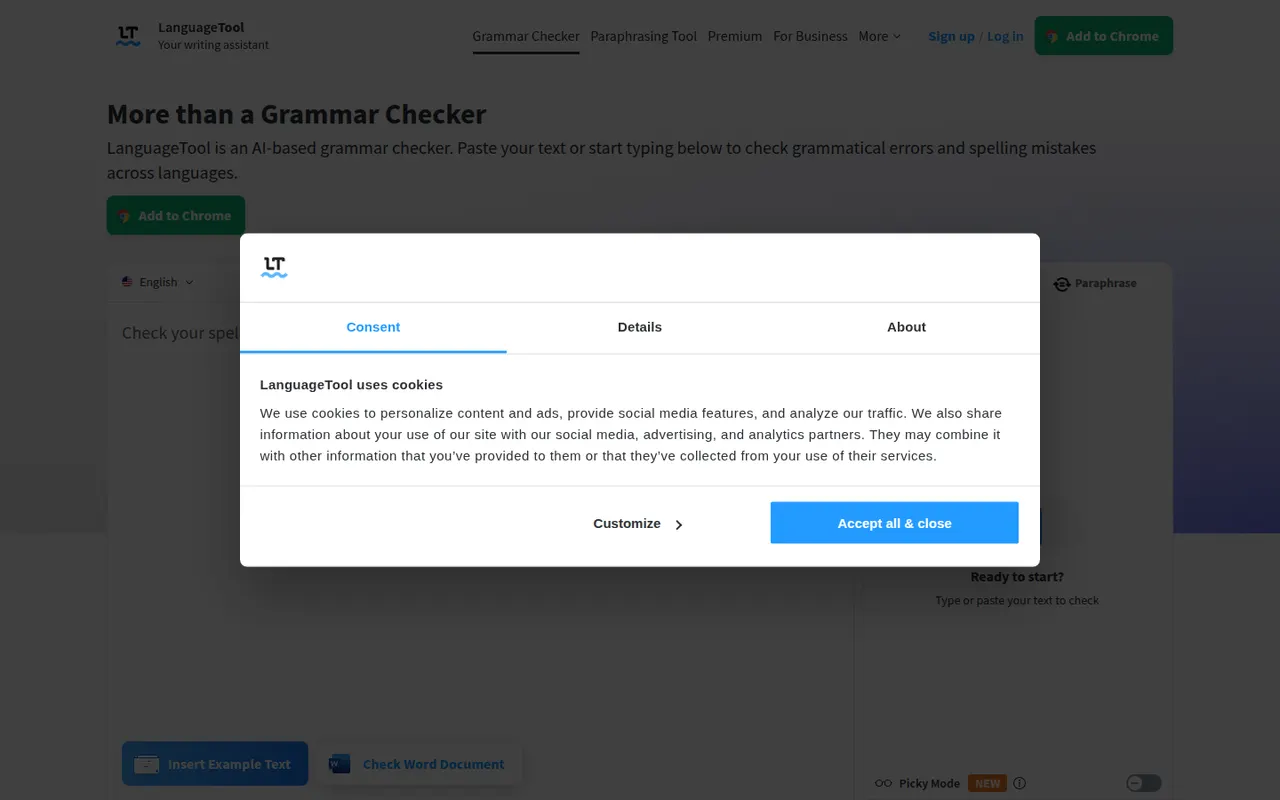
Cost / LicenseFreemiumProprietaryCategoriesLanguageTool checks grammar, spelling, punctuation and style in dozens of languages, including English, French, German, Spanish and Portuguese. It integrates with browsers, Microsoft Word, Google Docs, LibreOffice and desktop apps, and Premium adds AI rephrasing and deeper style checks. The core engine is open source under the LGPL, so organizations can run their own server for privacy.
6 LanguageTool alternativesPros
- Checks grammar and style in dozens of languages
- Open source core can run on your own server for privacy
- Integrates with Word, Google Docs, LibreOffice and browsers
Cons
- AI rephrasing and deeper style checks require Premium
- A self-hosted server lacks the Premium checks
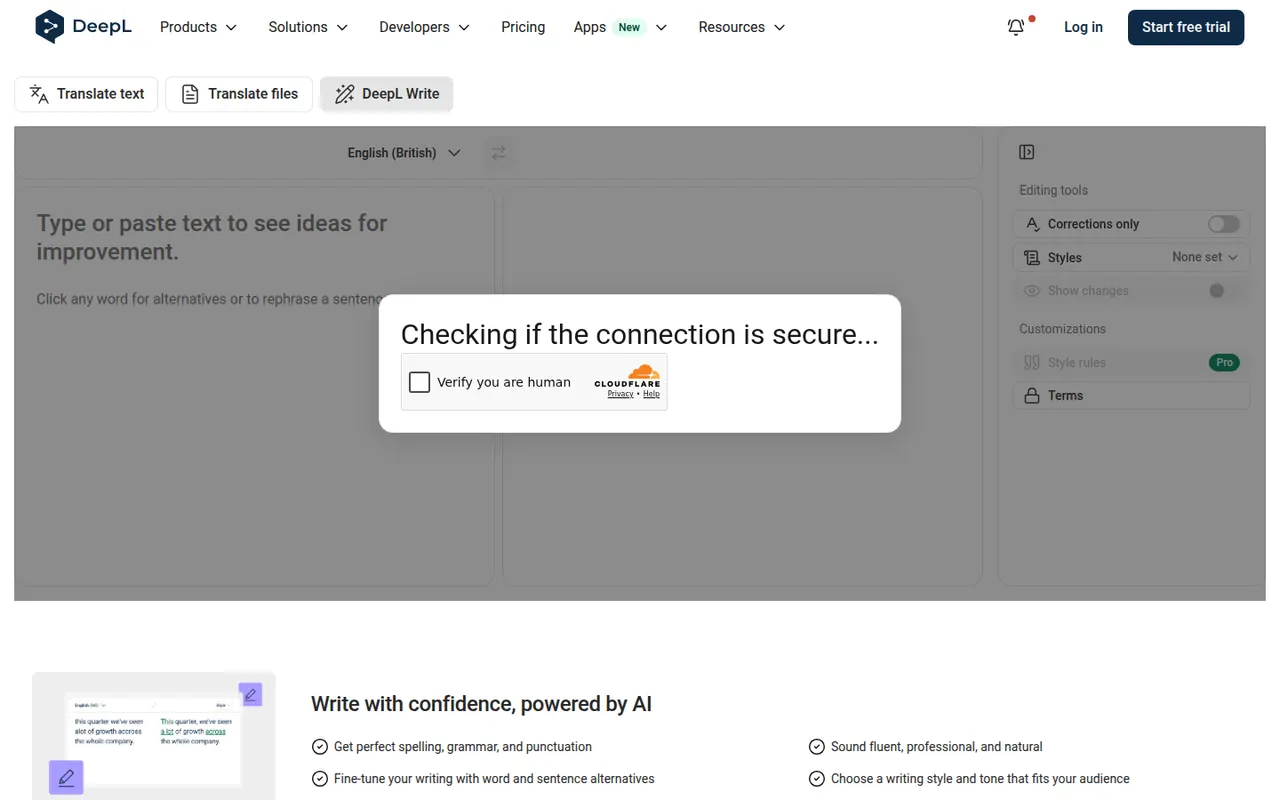
Cost / LicenseFreemiumOpen sourceCategoriesDeepL Write is an AI writing assistant from the German company behind the DeepL translator. It corrects grammar, spelling and punctuation and suggests rephrasings of whole sentences in languages such as English, German, French, Spanish and Portuguese. Write Pro adds writing styles and tones and does not keep your texts after processing. It works on the web and in the DeepL desktop apps.
7 DeepL Write alternativesPros
- Rephrases whole sentences, not just grammar fixes
- Natural results in English, German, French and more
- Write Pro does not keep your texts after processing
Cons
- Supports far fewer languages than the DeepL translator
- No plagiarism checker or in-depth style reports
- Writing styles and tones are reserved for Write Pro
Cost / LicenseFreemiumProprietaryCategoriestl;dv records and transcribes Google Meet, Zoom and Microsoft Teams calls and turns them into AI notes, summaries and timestamps you can share. It can produce reports across many meetings, follow sales frameworks and sync notes to CRMs like HubSpot and Salesforce or to Slack and Notion. The company is based in Germany and emphasizes GDPR compliance, and a free plan is available.
9 tl;dv alternativesPros
- Timestamped notes make it easy to jump to key moments
- Reports across many meetings, with sales framework templates
- German company with a strong focus on GDPR compliance
Cons
- A recording bot joins the call, which not everyone welcomes
- Advanced AI and CRM features require a paid plan
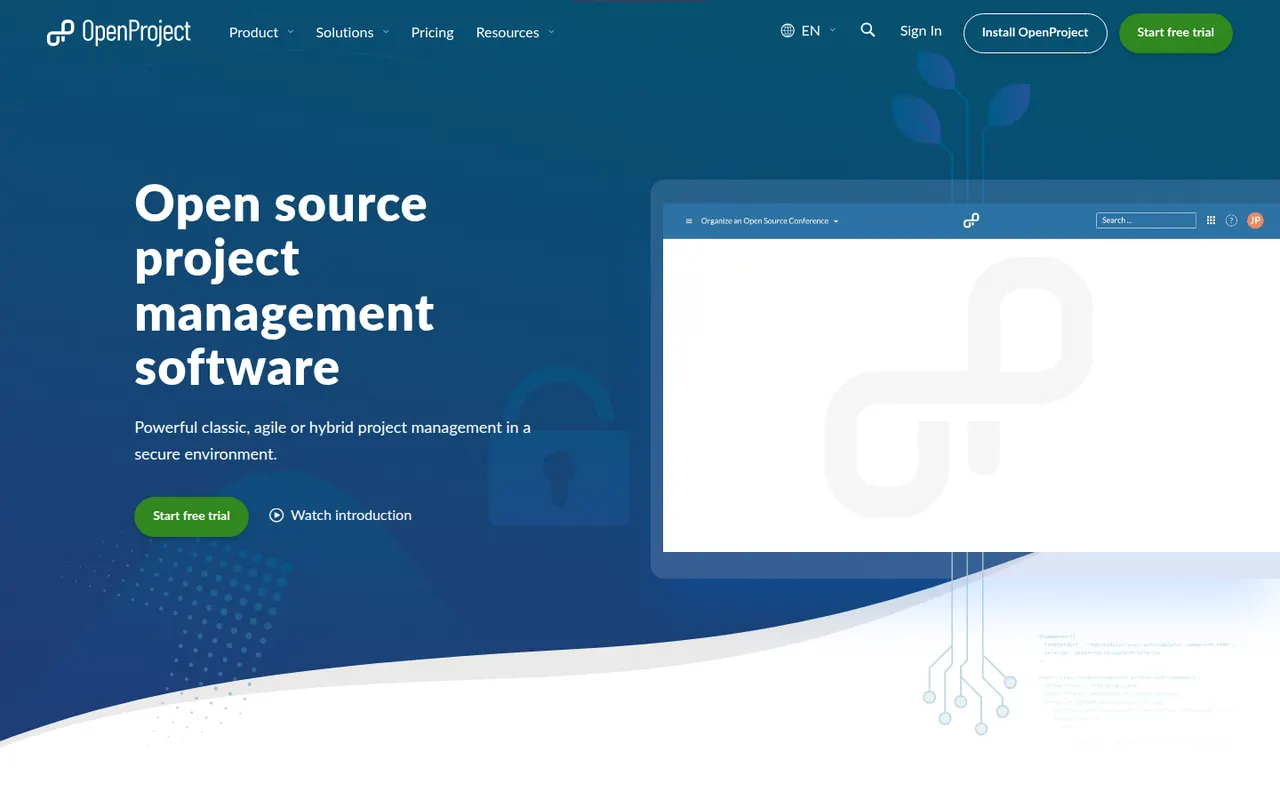
Cost / LicenseFreemiumProprietaryCategoriesPlatformsOpenProject is an open source project management platform developed in Germany, covering classic, agile and hybrid methods with Gantt charts, Scrum and Kanban boards, time and cost tracking, wikis and meetings. The Community edition is free to self-host, and the company sells an Enterprise edition and a hosted cloud aimed at organizations that care about data sovereignty.
9 OpenProject alternativesPros
- Open source and free to self-host with the Community edition
- Gantt charts, agile boards, time and cost tracking in one tool
- Developed in Germany with a focus on data sovereignty and GDPR
Cons
- The interface feels dated and dense next to newer tools
- Several advanced features are reserved for the Enterprise edition
- Self-hosting requires server setup and ongoing maintenance
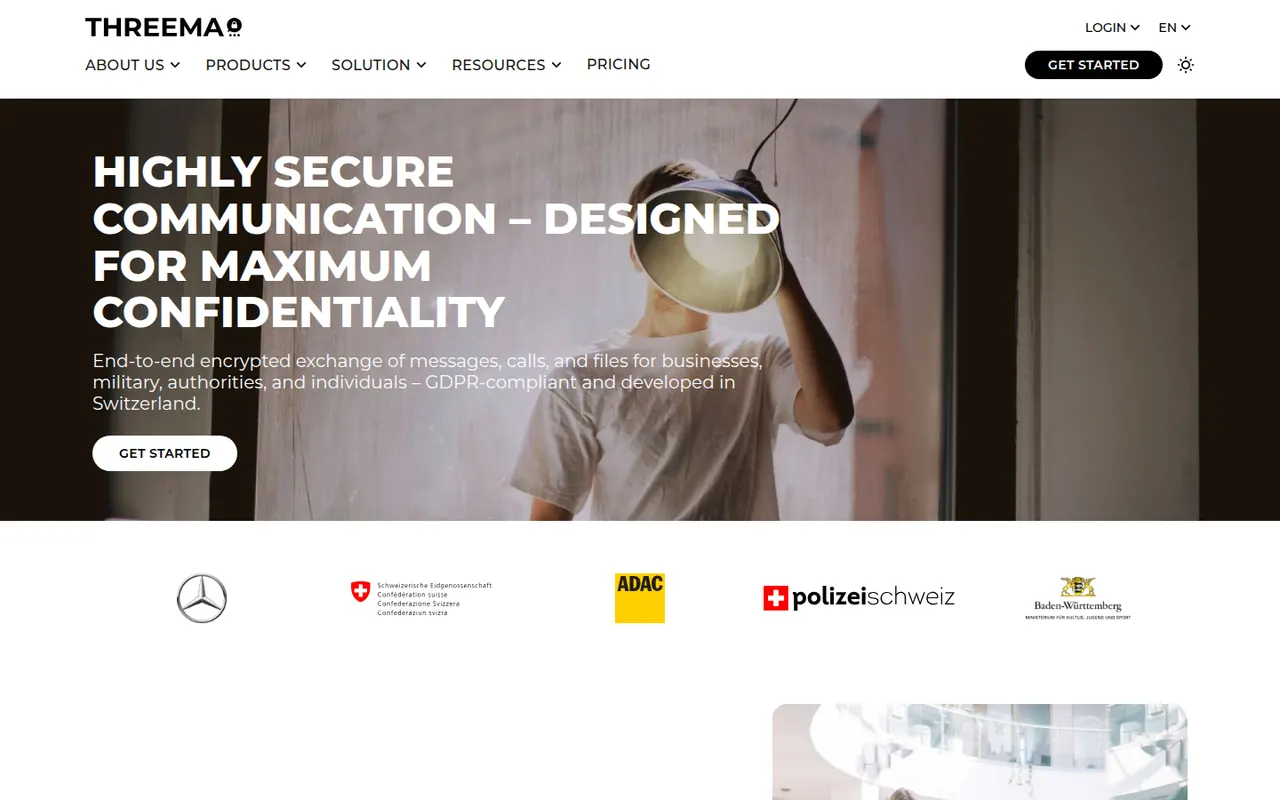
Cost / LicenseFreemiumOpen sourceCategoriesPlatformsThreema is a privacy-focused messenger from Switzerland that end-to-end encrypts messages, calls, groups and files. Each user gets a random Threema ID, so no phone number or email address is required, and the address book is only synced if you choose to. The apps are open source and sold for a one-time fee, while Threema Work targets companies and public institutions.
9 Threema alternativesPros
- No phone number or email needed, thanks to a random Threema ID
- Swiss company with a strong privacy focus and GDPR compliance
- One-time purchase instead of ads or a subscription
Cons
- Being a paid app discourages contacts from joining
- Smaller user base than mainstream messengers
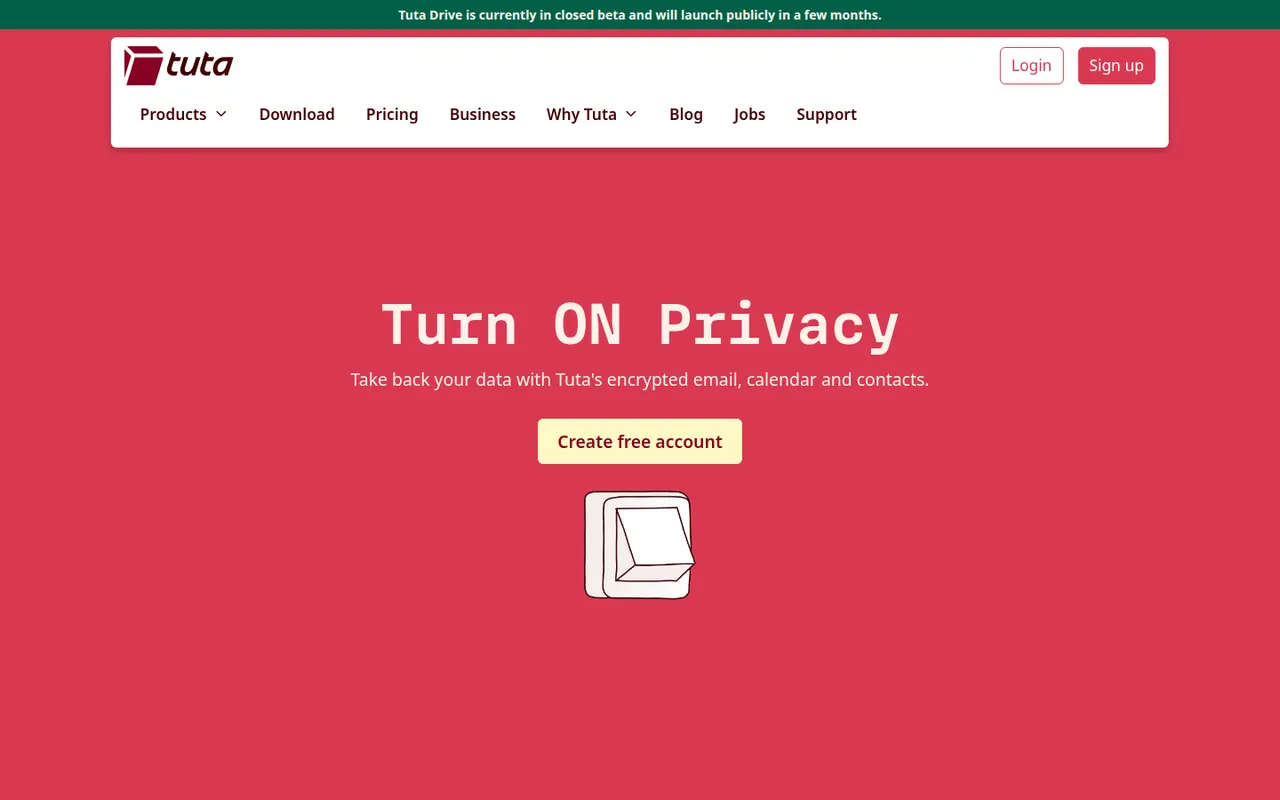
Cost / LicensePaidOpen sourceCategoriesTuta, formerly Tutanota, is an open-source encrypted email and calendar service based in Germany. It encrypts mailbox contents end to end, including subject lines and contacts, and uses post-quantum cryptography for new accounts. Because it relies on its own encryption, it works through Tuta's apps rather than IMAP clients. A free plan exists, and paid plans add custom domains and more aliases.
7 Tuta alternativesPros
- Encrypts subjects and contacts, not just message bodies
- Post-quantum cryptography for new accounts
- Open source apps and a free plan, with servers in Germany
Cons
- No IMAP support, so you must use Tuta’s own apps
- Free plan is limited in storage and features
- Fewer integrations and features than mainstream providers
Cost / LicenseFreemiumOpen sourceCategoriesCrisp is a French customer messaging platform that gathers website chat, email, WhatsApp, Instagram, Messenger and other channels into one shared inbox. It includes a chatbot builder, AI answers based on your own content, a knowledge base, email campaigns and a status page. A free plan covers basic live chat, and paid plans add automation, AI features and more channels.
8 Crisp alternativesPros
- Shared inbox for chat, email, WhatsApp, Instagram and Messenger
- Bundles a knowledge base, email campaigns and a status page
- French company with a GDPR-minded approach to customer data
Cons
- Free plan is limited to basic chat, while AI and automation need paid plans
- Reporting is lighter than in help desks built for large enterprises
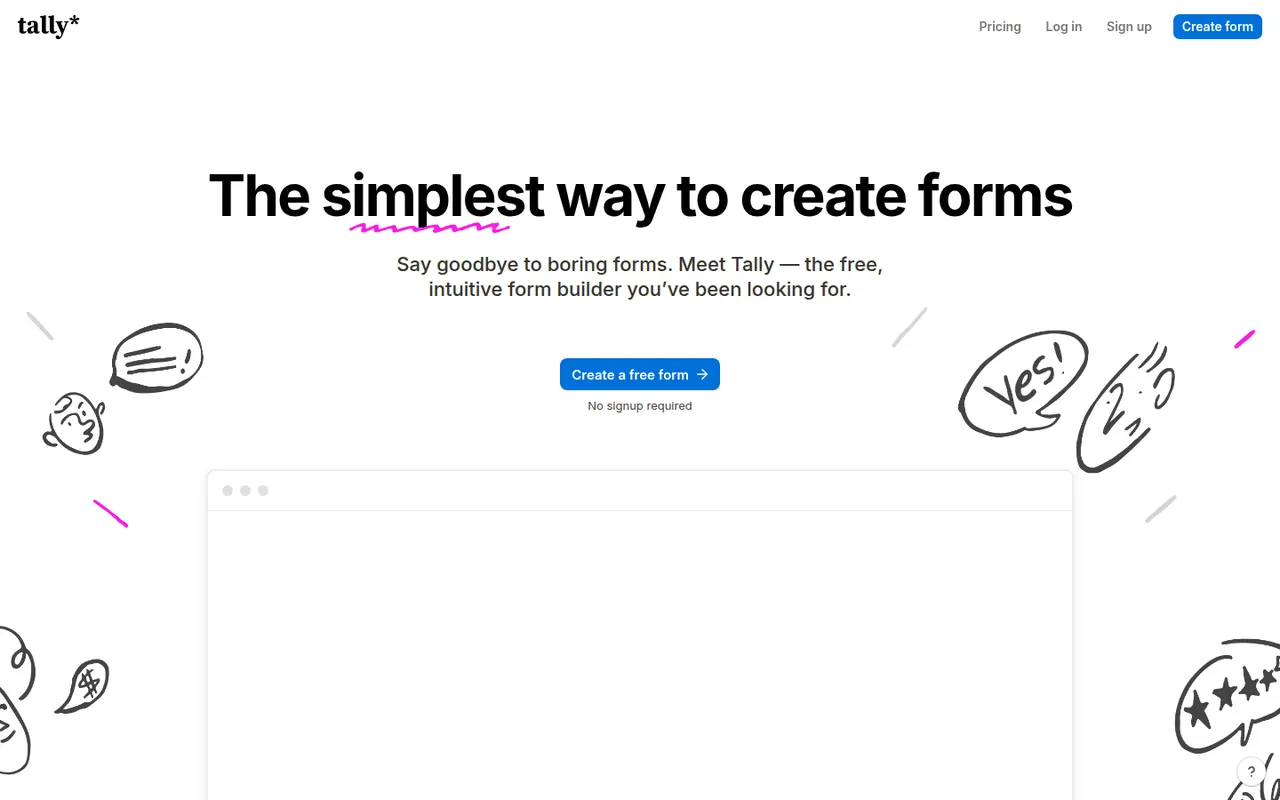
Cost / LicenseFreemiumProprietaryCategoriesTally is a form builder from Belgium where you create forms by typing in a document-like editor, similar to writing in Notion. Its free plan includes unlimited forms and responses along with logic, file uploads, Stripe payments and integrations, while Tally Pro adds branding removal, custom domains and team features. Form data is hosted in the EU.
9 Tally alternativesPros
- Free plan includes unlimited forms and responses, logic and payments
- Building a form feels as fast as typing in a document
- Data hosted in the EU, a plus for GDPR-conscious teams
Cons
- Custom domains, branding removal and team features require Tally Pro
- Fewer design themes and templates than visual drag-and-drop builders
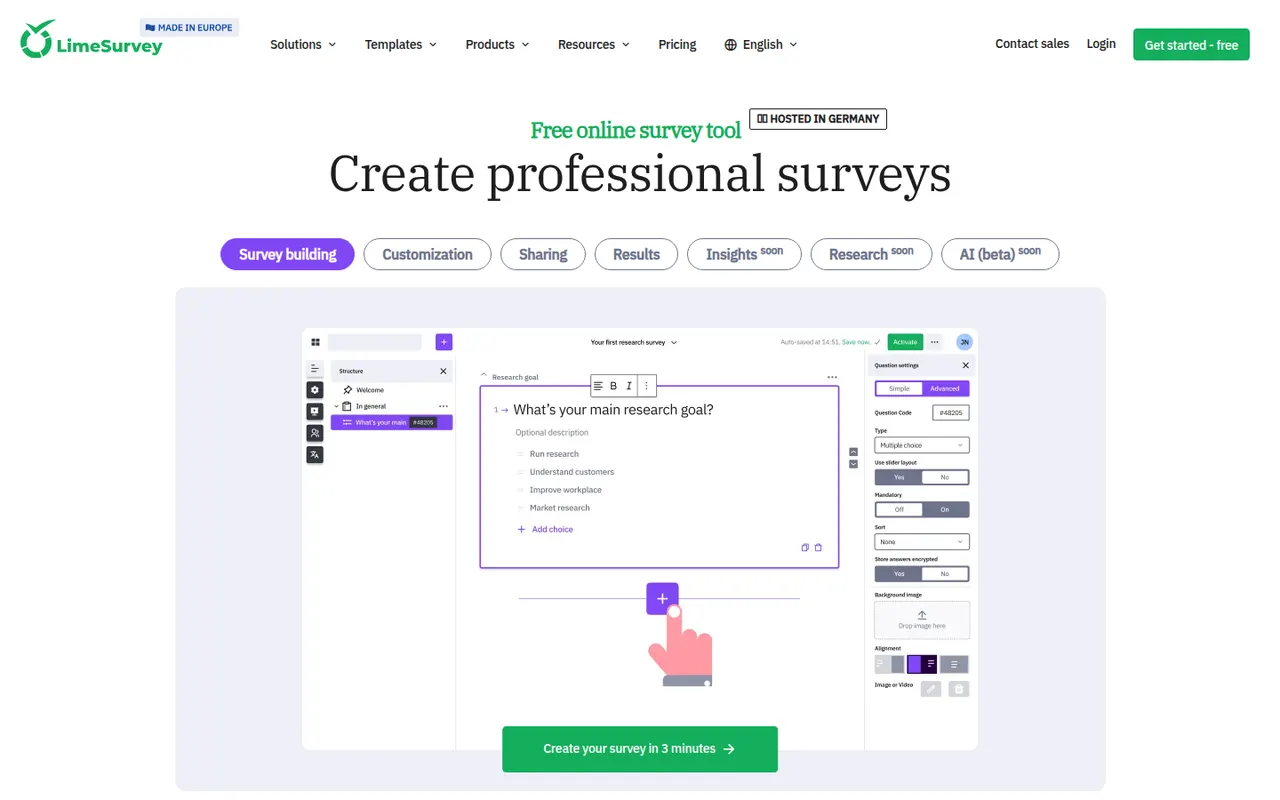
Cost / LicenseFreemiumProprietaryCategoriesPlatformsLimeSurvey is an open-source online survey tool from Germany, suited to academic and public-sector research. It supports many question types, complex conditions, quotas, multilingual surveys and anonymous responses, with results exportable to SPSS, R and spreadsheets. The Community Edition can be self-hosted for free, and LimeSurvey Cloud offers hosted plans, including a free tier.
8 LimeSurvey alternativesPros
- Advanced logic with quotas, conditions and a wide range of question types
- Free self-hosted edition keeps research data under your control
- Exports results to SPSS, R and spreadsheets for statistical analysis
Cons
- Interface feels dated and takes time to learn
- Survey design looks less polished than modern form builders
- Self-hosting means handling updates and server security yourself
Cost / LicenseFreemiumOpen sourceCategoriesPlatformsFormbricks is an open-source experience management tool for collecting feedback through link surveys, website pop-ups and in-app surveys targeted by user attributes or actions. It integrates with tools like Slack, Notion and Airtable, offers an API and webhooks, and can be self-hosted to keep data on your own servers. Its cloud version has a free plan, and the team is based in Germany.
12 Formbricks alternativesPros
- Open source and self-hostable, so feedback data can stay on your servers
- In-app and website surveys can target users by attributes or actions
- API, webhooks and integrations with Slack, Notion and Airtable
Cons
- Self-hosting requires technical skills and ongoing maintenance
- In-app targeting needs an SDK set up by developers
- Younger product with fewer templates than established survey tools
Cost / LicenseFreemiumOpen sourceCategoriesPlatformsBrevo, formerly Sendinblue, is a French marketing platform covering email campaigns, transactional email, SMS, WhatsApp messages and marketing automation, plus a sales CRM and live chat. Its plans are based mainly on the volume of emails sent rather than the number of contacts, which suits large lists that are mailed occasionally. Data is hosted in the EU, a plus for GDPR-conscious teams.
9 Brevo alternativesPros
- Pricing based on emails sent rather than contacts stored
- Email, SMS, WhatsApp and transactional email in one platform
- EU data hosting suits GDPR-conscious teams
Cons
- Free plan has a daily sending limit and Brevo branding
- Automation builder is less advanced than specialist tools
Cost / LicenseFreemiumProprietaryCategoriesPlausible Analytics is a privacy-focused web analytics tool that uses no cookies and collects no personal data, so it can usually run without a consent banner. Its script is very small, and a single-page dashboard shows visitors, sources, pages, goals and funnels at a glance. It is open source under the AGPL, hosted in the EU by an independent team, and can also be self-hosted as a Community Edition.
7 Plausible Analytics alternativesPros
- Cookieless tracking that usually works without a consent banner
- Very small script that barely affects page speed
- Open source and self-hostable as a Community Edition
Cons
- Hosted service is paid after the trial, so free use means self-hosting
- Less detail than Google Analytics on user behavior
- Community Edition lacks some features of the cloud version
Cost / LicenseFreemiumOpen sourceCategoriesPlatformsMatomo, formerly Piwik, is an open source analytics platform that you can self-host for free or use as a hosted cloud service. It offers reports comparable to Google Analytics, including goals, e-commerce tracking and custom dimensions, while keeping all data under your control, and it can be configured to track without cookies. Premium plugins add heatmaps, session recordings, funnels and A/B testing.
11 Matomo alternativesPros
- Free to self-host with full ownership of your data
- Reports comparable to Google Analytics, including e-commerce
- Can be configured for cookieless tracking
Cons
- Self-hosting means managing updates and database performance
- Heatmaps, recordings and funnels are paid plugins
- Interface feels dated next to newer analytics tools
Cost / LicenseFreemiumOpen sourceCategoriesPlatformsFathom Analytics is a privacy-focused alternative to Google Analytics that tracks page views, referrers, events and conversions without cookies or personal data. Its single dashboard is easy to read for non-specialists, traffic from the EU is processed in the EU, and email reports are included. It is built by a small, independent Canadian company.
6 Fathom Analytics alternativesPros
- Cookieless tracking that avoids collecting personal data
- Single, easy-to-read dashboard for non-specialists
- EU visitor data is processed within the EU
Cons
- No free plan, only a trial before paying
- Far less depth than Google Analytics for funnels and segments
- Neither open source nor self-hostable, unlike some rivals
Cost / LicenseFree trialProprietaryCategoriesPlatformsUmami is an open source web analytics tool that collects anonymous usage data without cookies. Its clean dashboard covers page views, referrers, devices and events, along with more advanced reports such as funnels, retention and user journeys. It is straightforward to self-host with Docker, and Umami Cloud provides a managed version with a free tier.
6 Umami alternativesPros
- Open source and easy to self-host with Docker
- Cookieless, anonymous tracking with a clean dashboard
- Funnels, retention and journey reports on top of the basics
Cons
- Self-hosting means managing your own server and database
- Fewer integrations than commercial analytics tools
- Umami Cloud's free tier comes with usage limits
Cost / LicenseFreemiumOpen sourceCategoriesPlatformsSimple Analytics is a Dutch web analytics service that does not use cookies or collect personal data, and stores its data in the EU. It provides a clear dashboard of visits, referrers and pages, event and goal tracking, and an AI assistant that answers questions about your traffic in plain language. Its focus on GDPR compliance makes it a fit for European businesses and privacy-conscious sites.
6 Simple Analytics alternativesPros
- No cookies or personal data, with storage in the EU
- Clean dashboard that is quick to read
- AI assistant answers traffic questions in plain language
Cons
- Fewer advanced reports than full analytics suites
- Neither open source nor self-hostable, unlike some rivals
Cost / LicenseFreemiumProprietaryCategoriesPlatformsBaserow is a no-code database from the Dutch company of the same name, with a spreadsheet-like interface, linked tables, multiple views and a REST API. It also includes an application builder and AI fields for turning data into internal tools. The core is open source under MIT and can be self-hosted; the cloud version, hosted in the EU, has a free plan and paid tiers.
8 Baserow alternativesPros
- Open source core that can be self-hosted at no cost
- Familiar spreadsheet-style interface with linked tables and views
- EU-hosted cloud option helps with GDPR requirements
Cons
- Smaller integration ecosystem than Airtable
- Some advanced features are reserved for paid plans
- Self-hosting requires server maintenance and updates
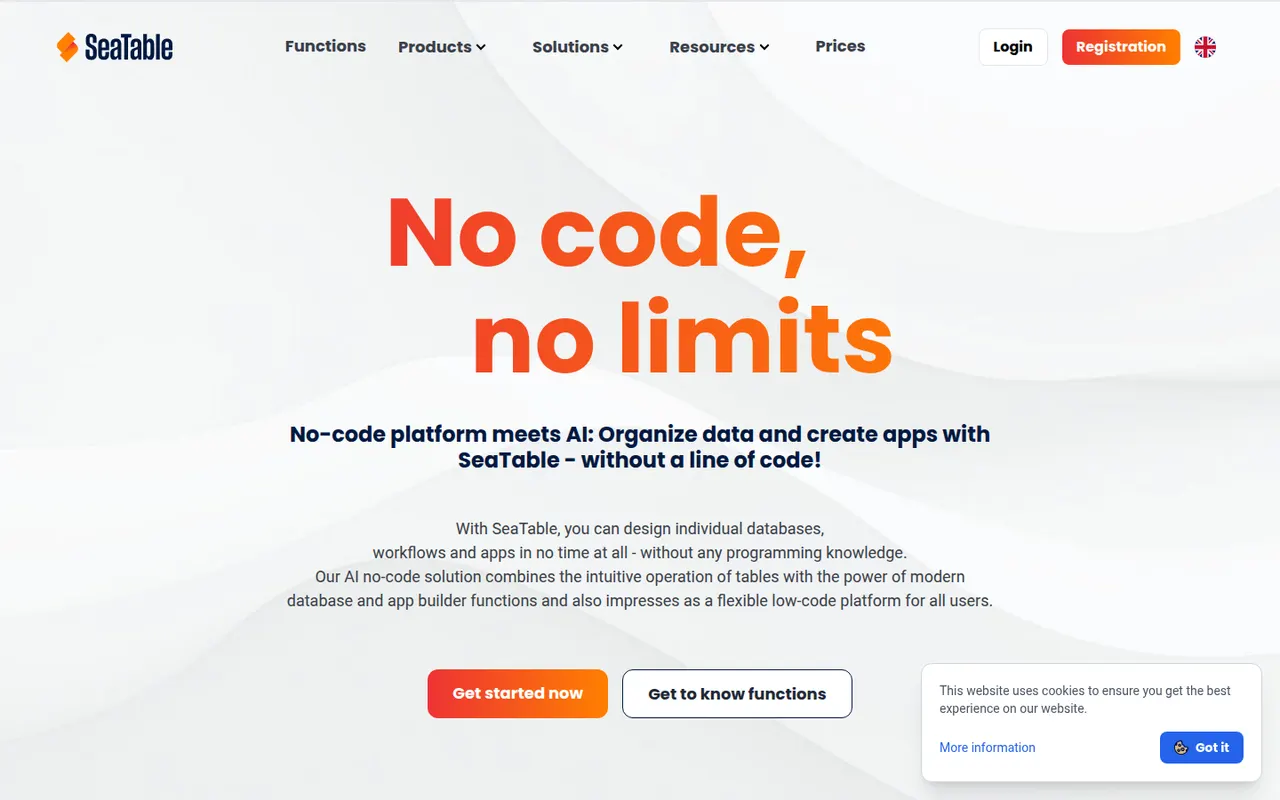
Cost / LicenseFreemiumOpen sourceCategoriesPlatformsSeaTable is a spreadsheet-style database made by SeaTable GmbH in Germany, letting teams link tables, attach files, build forms and create custom views. Automations, Python and JavaScript scripts and an API turn tables into business processes without writing a full application. It can be used in the cloud, with a free plan, or installed on your own servers.
7 SeaTable alternativesPros
- German vendor offering both GDPR-friendly cloud and self-hosting
- Python and JavaScript scripts extend tables into business processes
- Linked tables, forms and file attachments in one workspace
Cons
- Smaller community and template library than Airtable
- Advanced features are reserved for paid plans
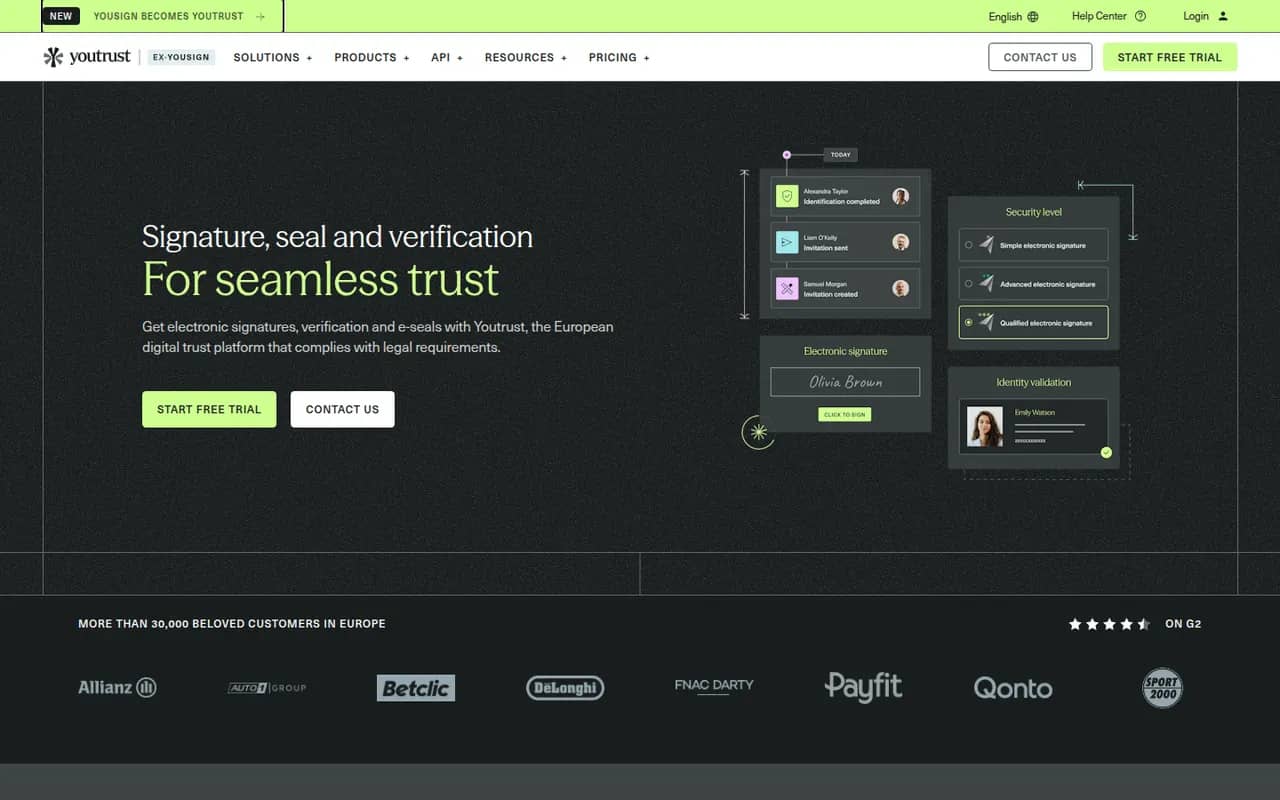
Cost / LicenseFreemiumProprietaryCategoriesPlatformsYoutrust (formerly Yousign) is a French e-signature service for businesses and freelancers that need legally valid signatures under the EU eIDAS regulation. It offers simple, advanced and qualified signature levels, templates, automatic reminders, audit trails and an API, with data hosted in Europe. A free plan covers a couple of signature requests each month, and paid plans scale with usage.
9 Youtrust (Yousign) alternativesPros
- Simple, advanced and qualified signatures under the EU eIDAS rules
- Data hosted in Europe, a plus for GDPR compliance
- Clear interface with automatic reminders and templates
Cons
- Free plan is limited to a handful of signature requests
- Fewer integrations than global players like Docusign
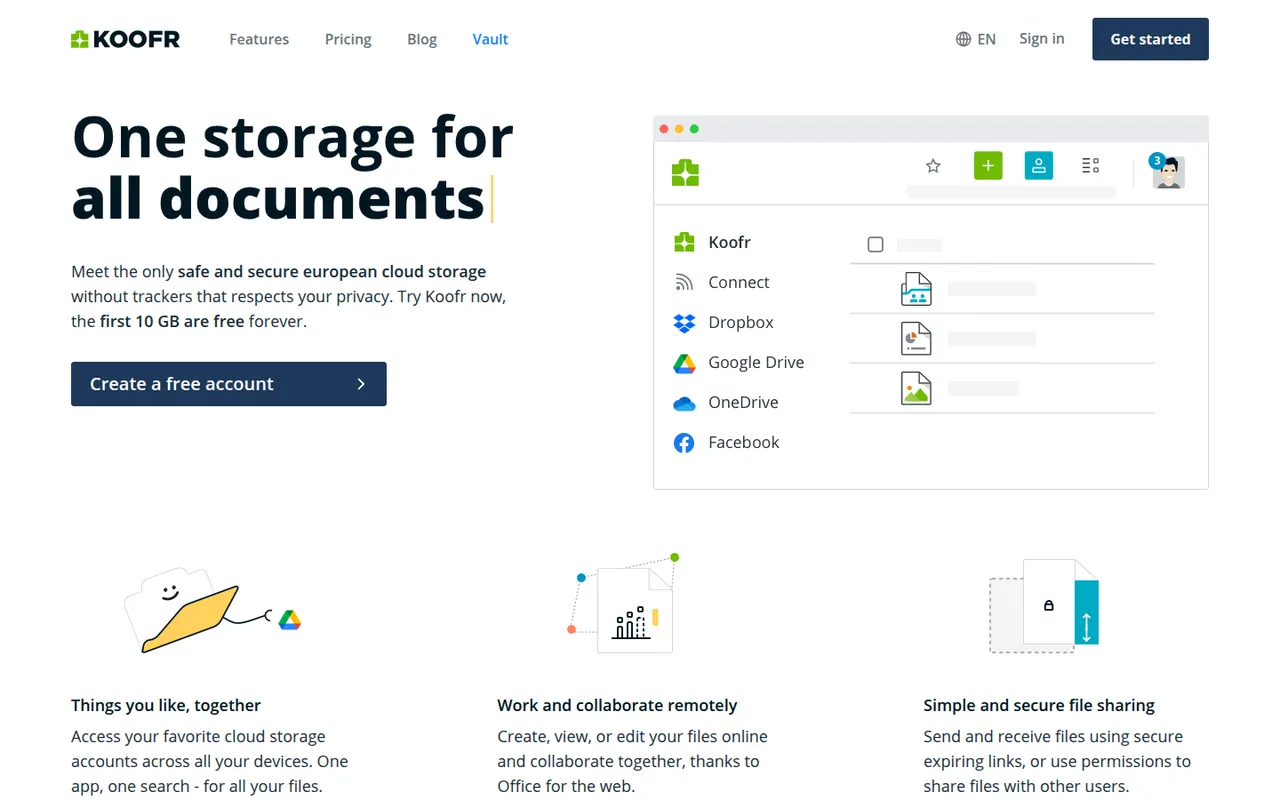
Cost / LicenseFreemiumProprietaryCategoriesPlatformsKoofr is a privacy-focused cloud storage service from Slovenia that keeps data in the EU. Besides its own storage, it can connect Dropbox, Google Drive and OneDrive accounts so you can browse and move files between them in one place. It has desktop sync apps, mobile photo backup, share links and Koofr Vault, an open source end-to-end encrypted folder.
9 Koofr alternativesPros
- Data stays in the EU with a privacy-focused European provider
- Connects Dropbox, Google Drive and OneDrive in one interface
- Koofr Vault adds an open source end-to-end encrypted folder
Cons
- Standard storage is not end-to-end encrypted outside Vault
- Fewer collaboration features than the big cloud providers
Cost / LicenseFreemiumProprietaryCategories